
Tool Guides
Practical advice on buying, using, and maintaining hand tools. Written for beginners who want to make informed decisions without spending a fortune.
General Tool Guides
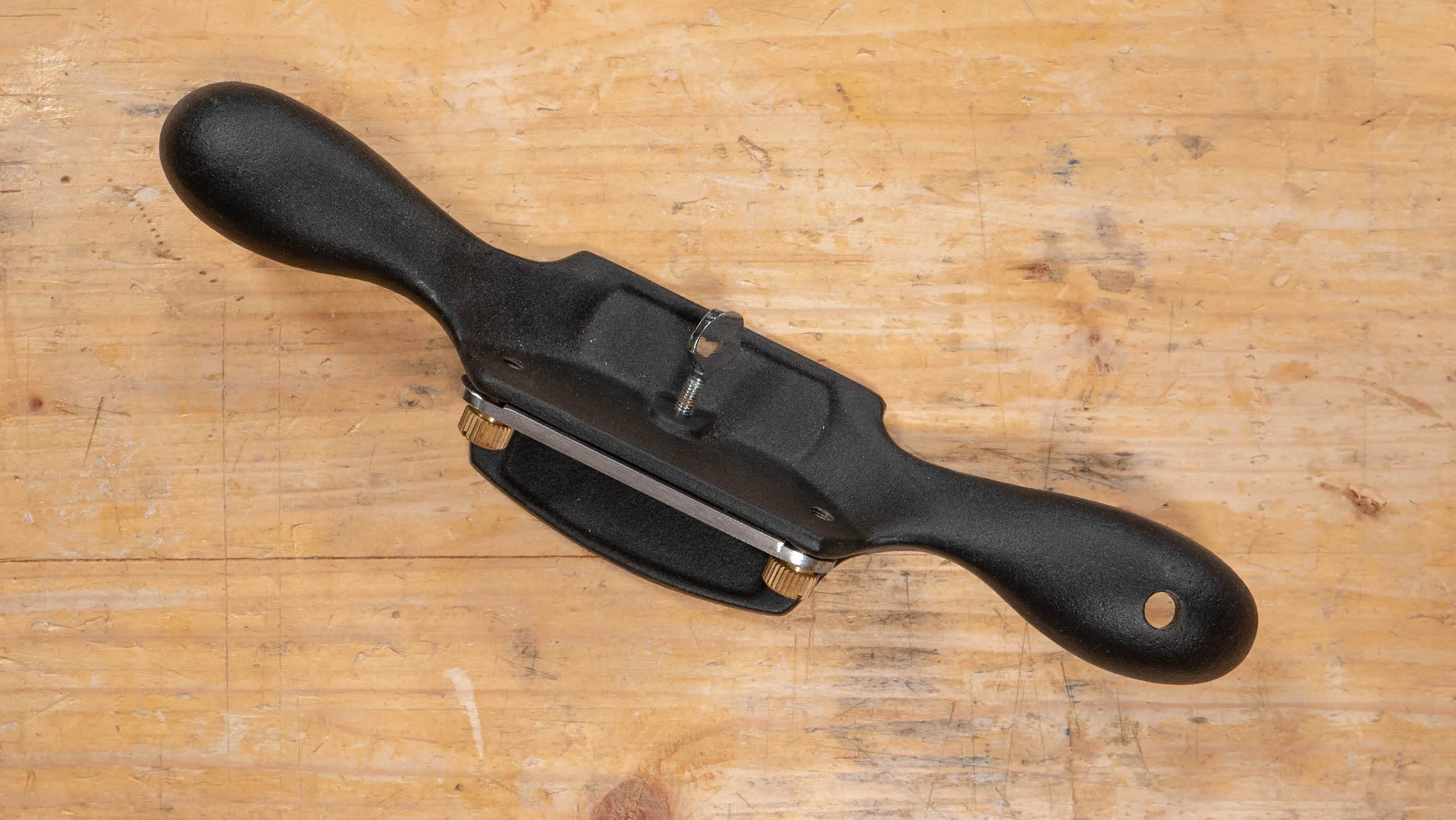
The #80 Scraper Guide
Commonly mistaken for an oversized spokeshave, the #80 scraper slices the wood in a similar way to, but not the same as, a plane. Despite the tool’s name, the scraper does not scrape as such, but c...
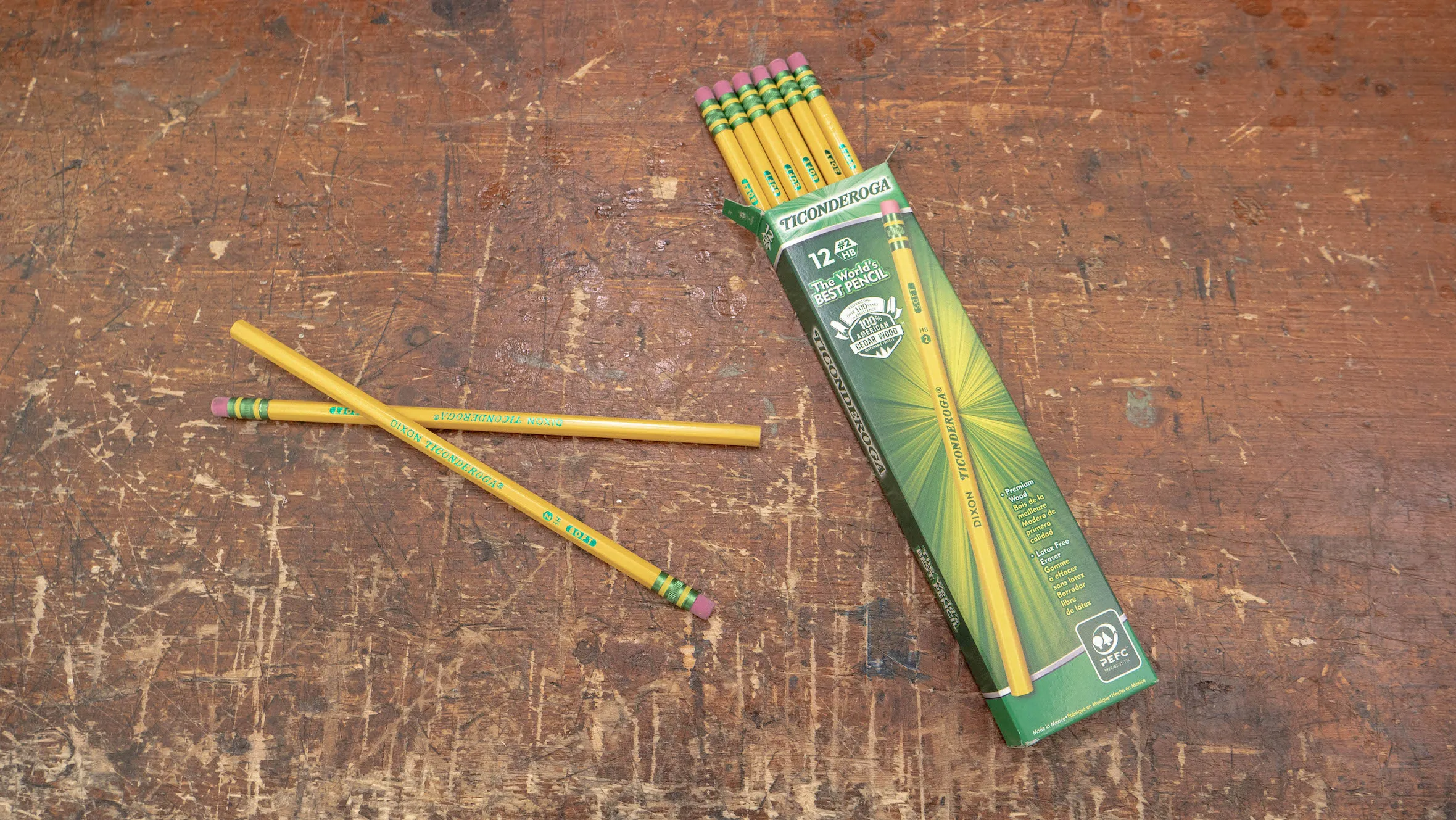
General Tool/ Accessories Guide
This is used alongside the pencil to remove layout lines. Pencil lines are useful to have when constructing the project and the eraser can then be used to remove them once the project has been asse...
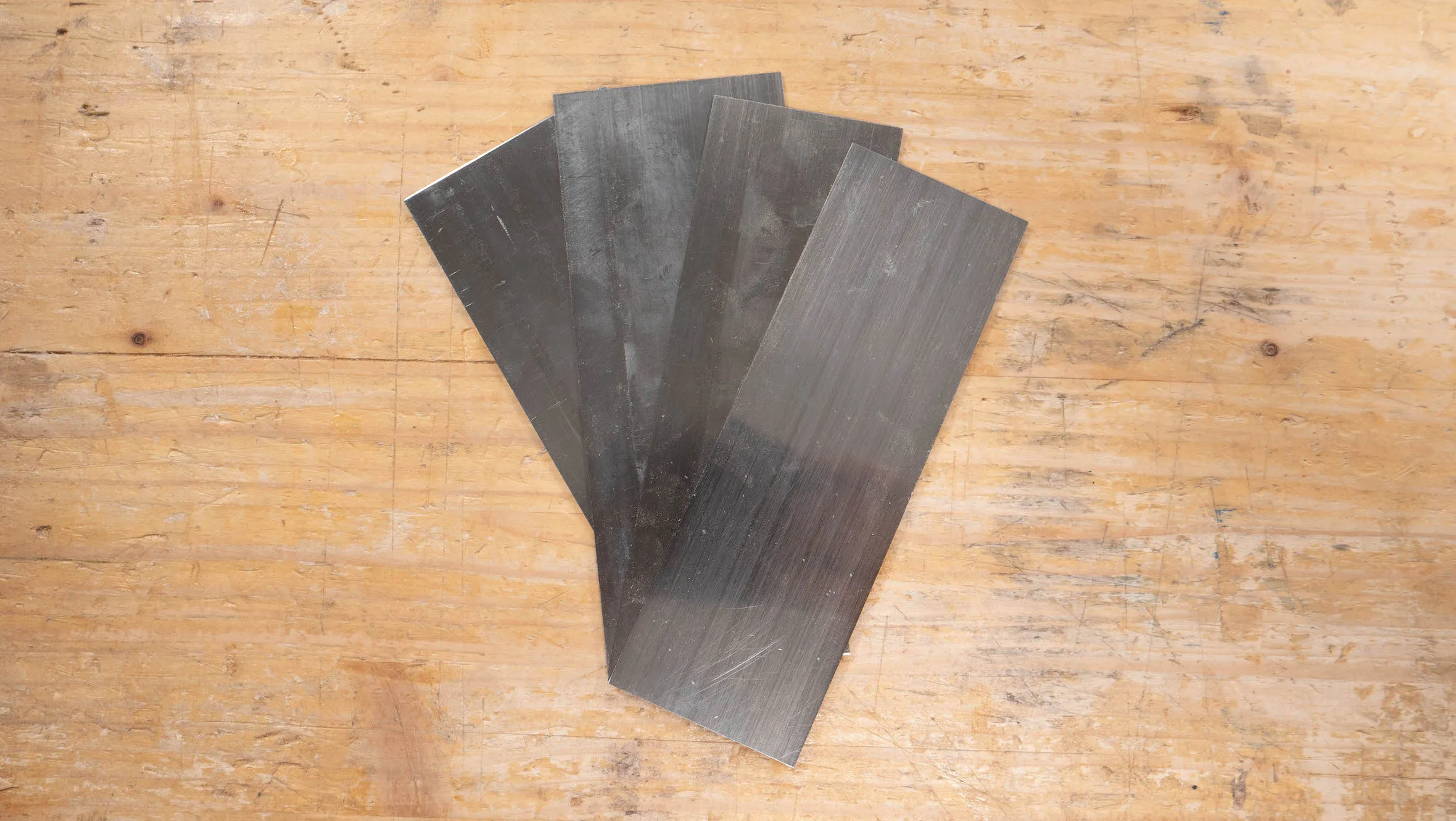
The Card Scraper Guide
The card scraper is a plate of sheet steel which is sharpened along the full length of the long edges and relies on careful precision throughout the sharpening process. The card scraper performs mu...
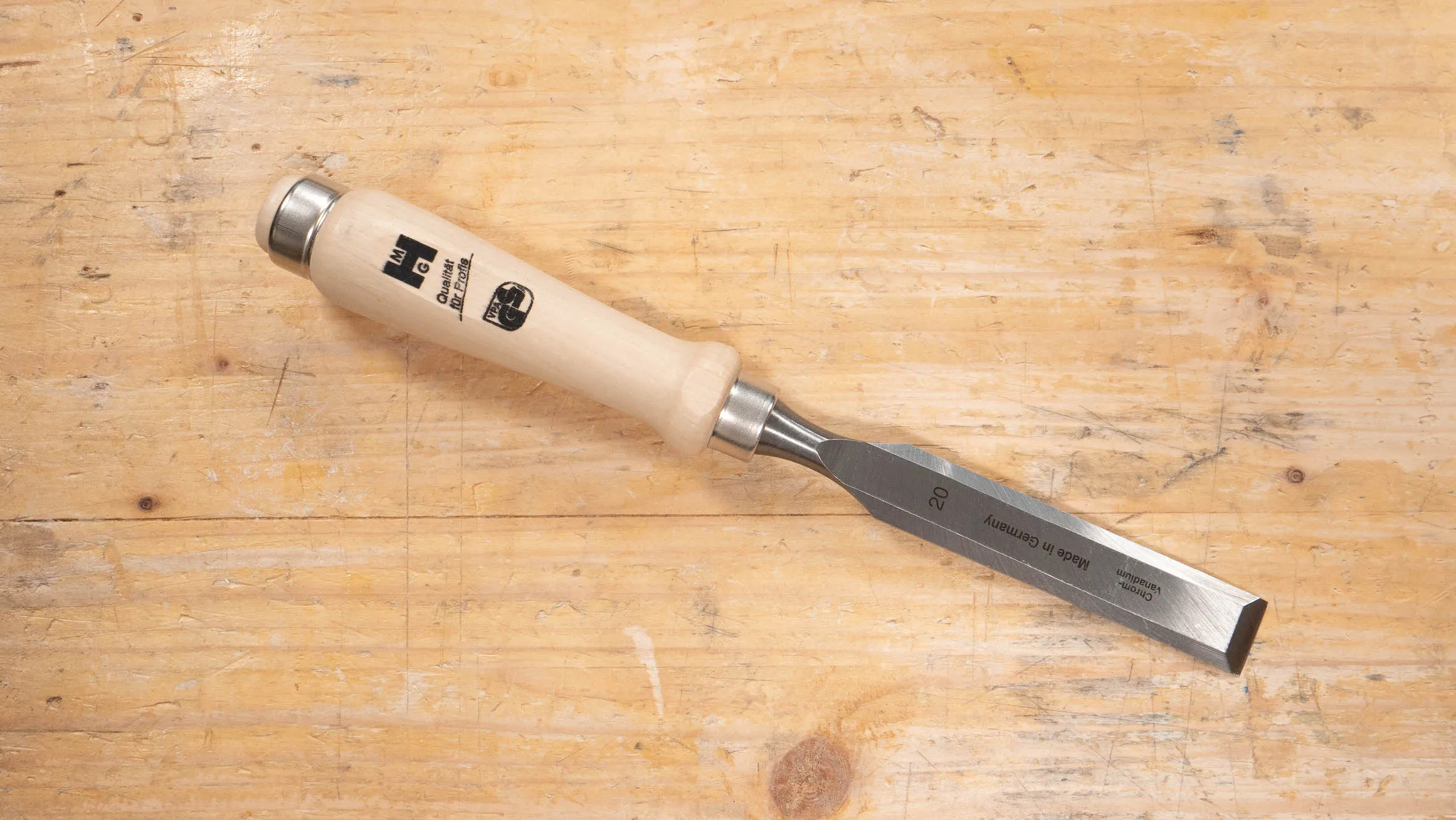
The Chisel Guide
Chisels are one of the most commonly used tools in the history of woodworking. They are made up of a steel blade attached either to a wooden or plastic handle. Chisel hammers and wooden mallets are...
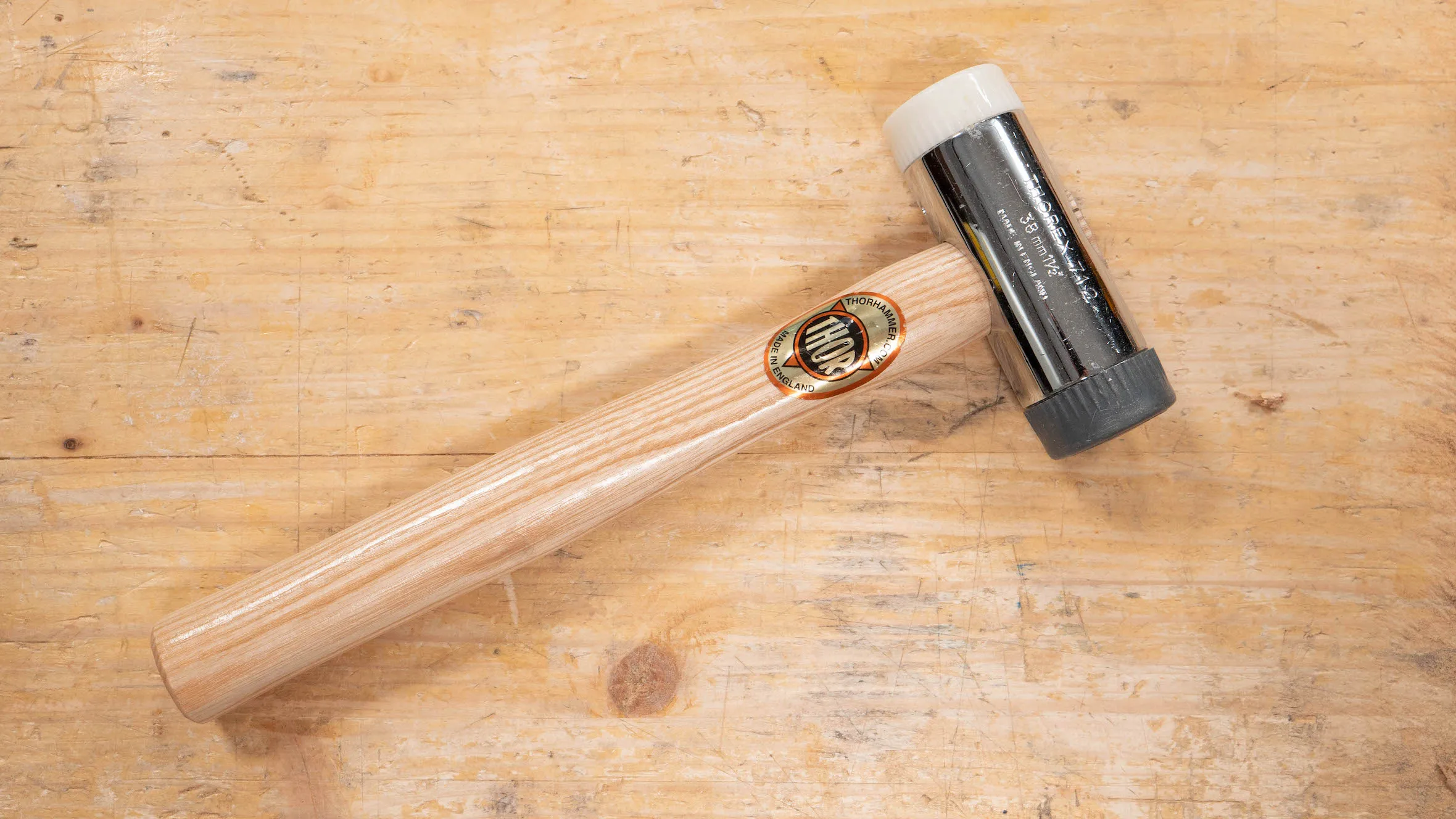
The Chisel Hammer Guide
Chisel hammer is the term used by Paul Sellers to describe the hammer that he recommends for use in striking the end of the chisel handle and assembling joinery. It can be made from nylon, steel or...
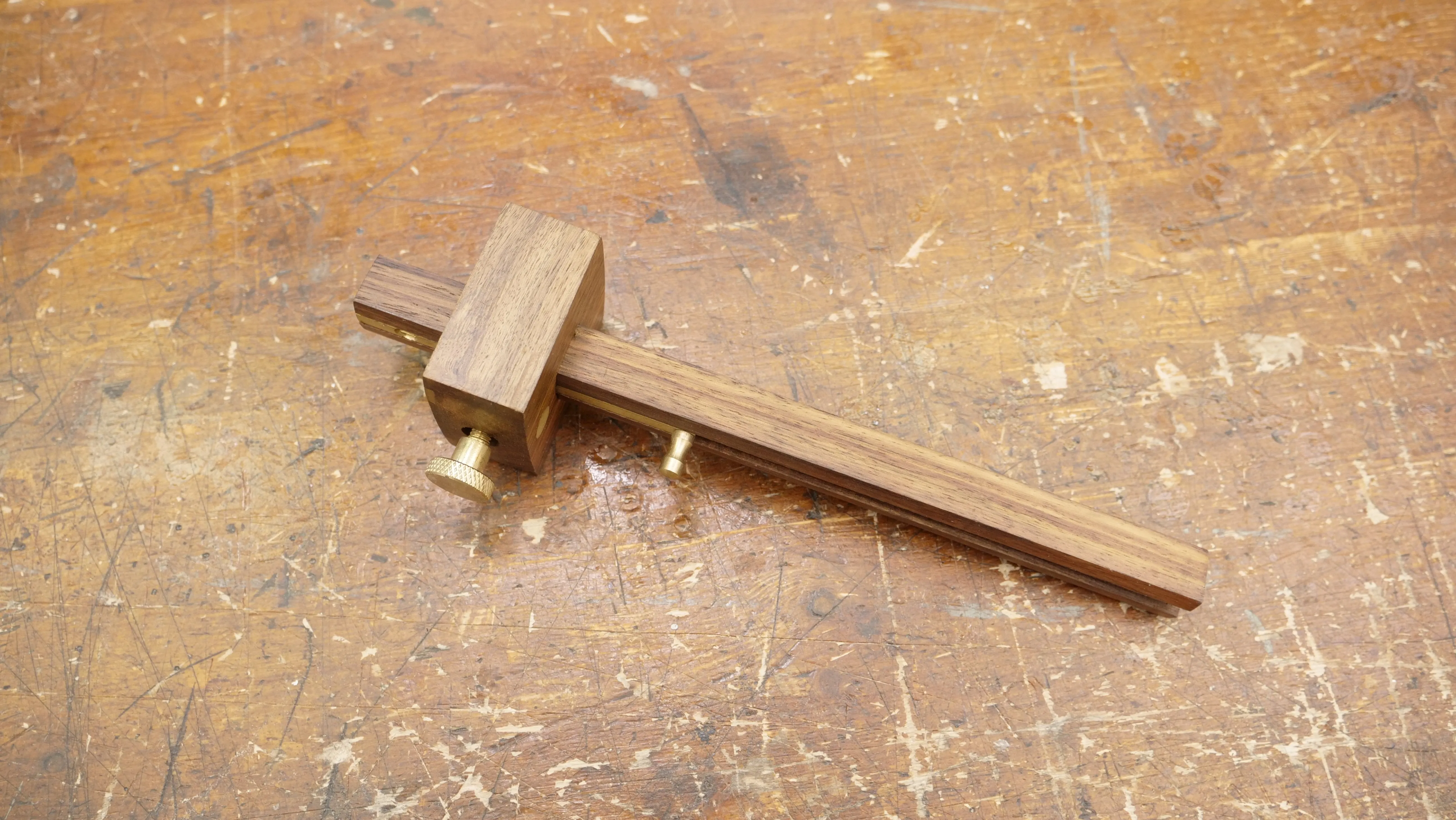
The Combination Gauge Guide
The combination gauge has 4 main parts: the wooden stem, the wooden stock, the setscrew and the marking pins. The stock has a lock system on it to allow it to keep the distance from the pin. This e...
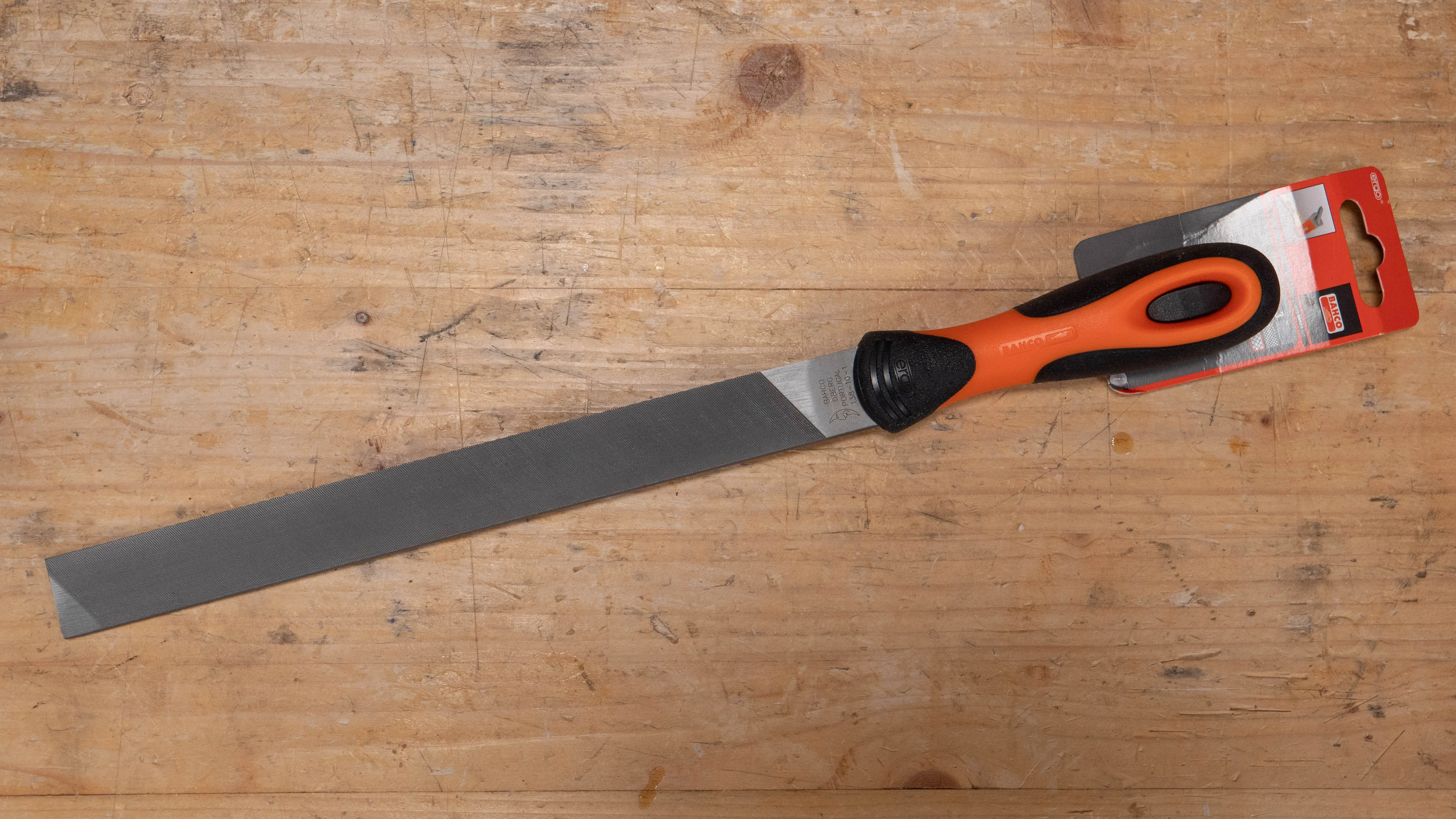
The File Guide
Files have teeth which span the width of the working face on a diagonal slant. The teeth come in different sizes which affects the depth of the gullets and thereby the depth the file teeth cut into...
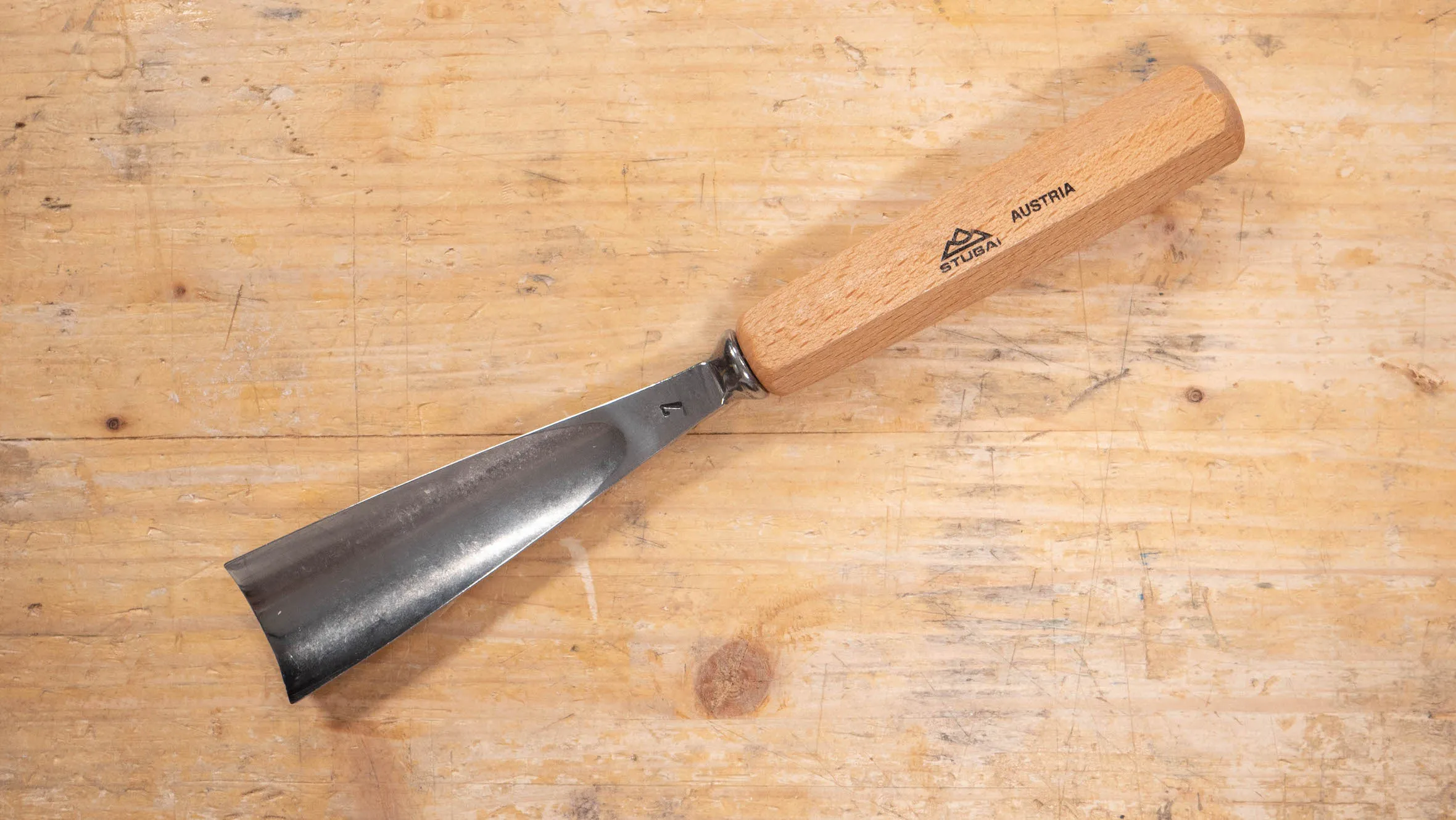
The Gouge Guide
A gouge is similar to a chisel in the way that it looks, as it has a handle and a metal blade. However, the gouge has a rounded blade which is mainly used for carving.
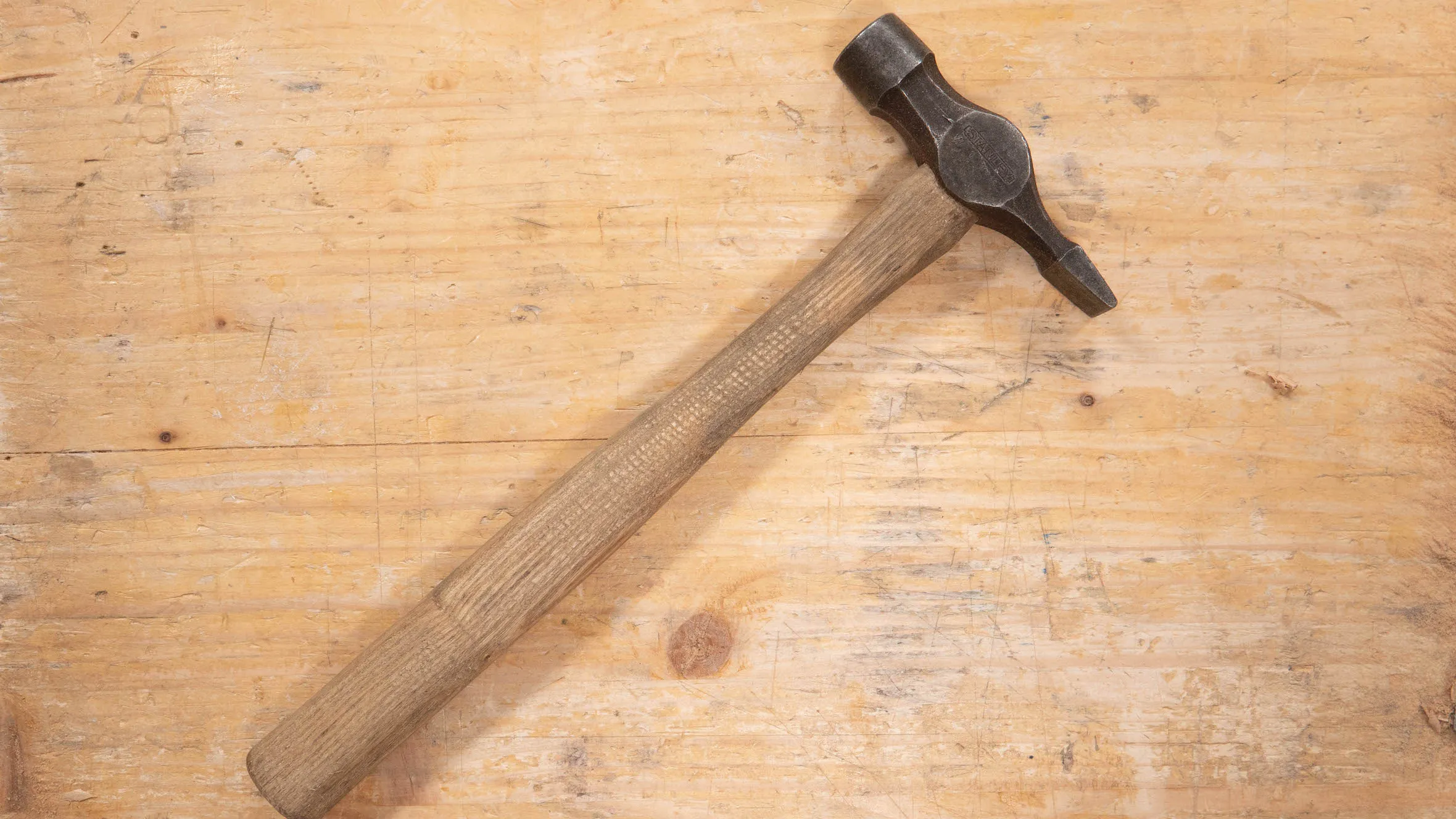
The Hammer Guide
Several types of hammers are used in woodworking, coming in different weights starting at 6oz and going up to 38oz. This guide will be focusing on the Warrington hammer as this is the one Paul Sell...
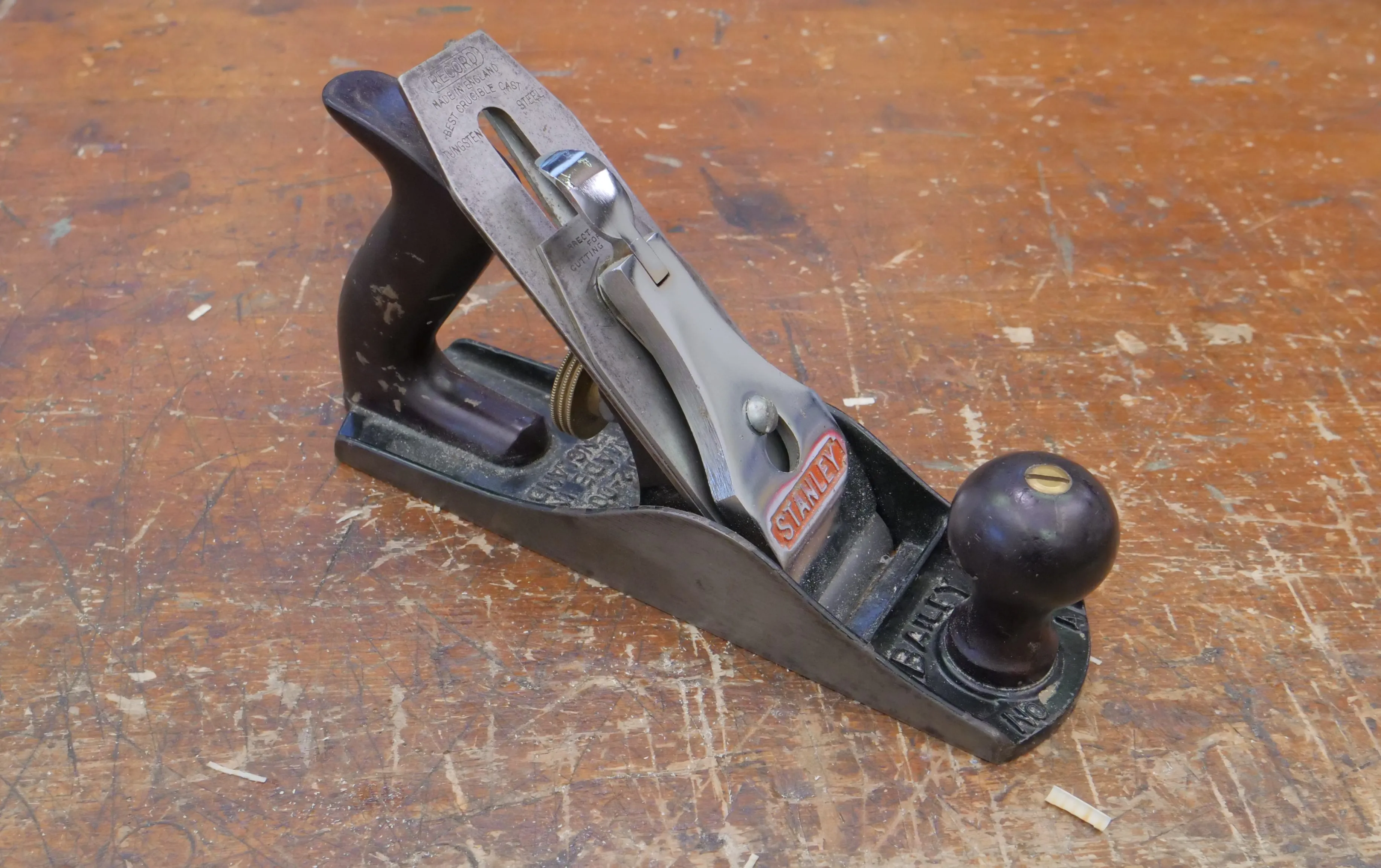
The Plane Guide
There are many different types of tools under the term plane. These tools all have a blade fixed at an angle inside a metal or wooden body; some of them include:
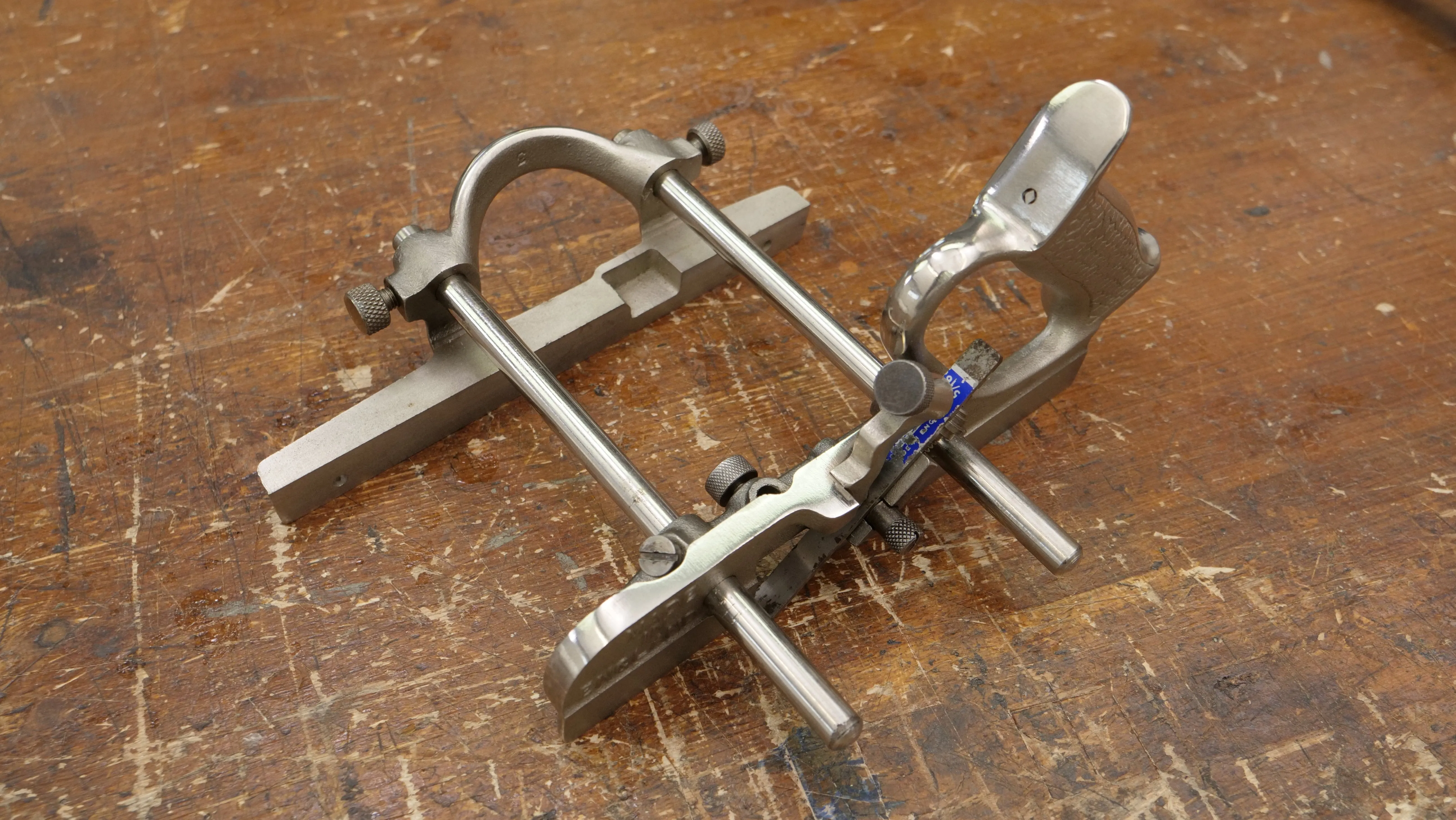
The Plough Plane Guide
The plough (plow USA) plane creates channel grooves by removing material from the middle of a piece of wood, leaving two outside edges. The plane has a guide or fence, which runs along the undersid...
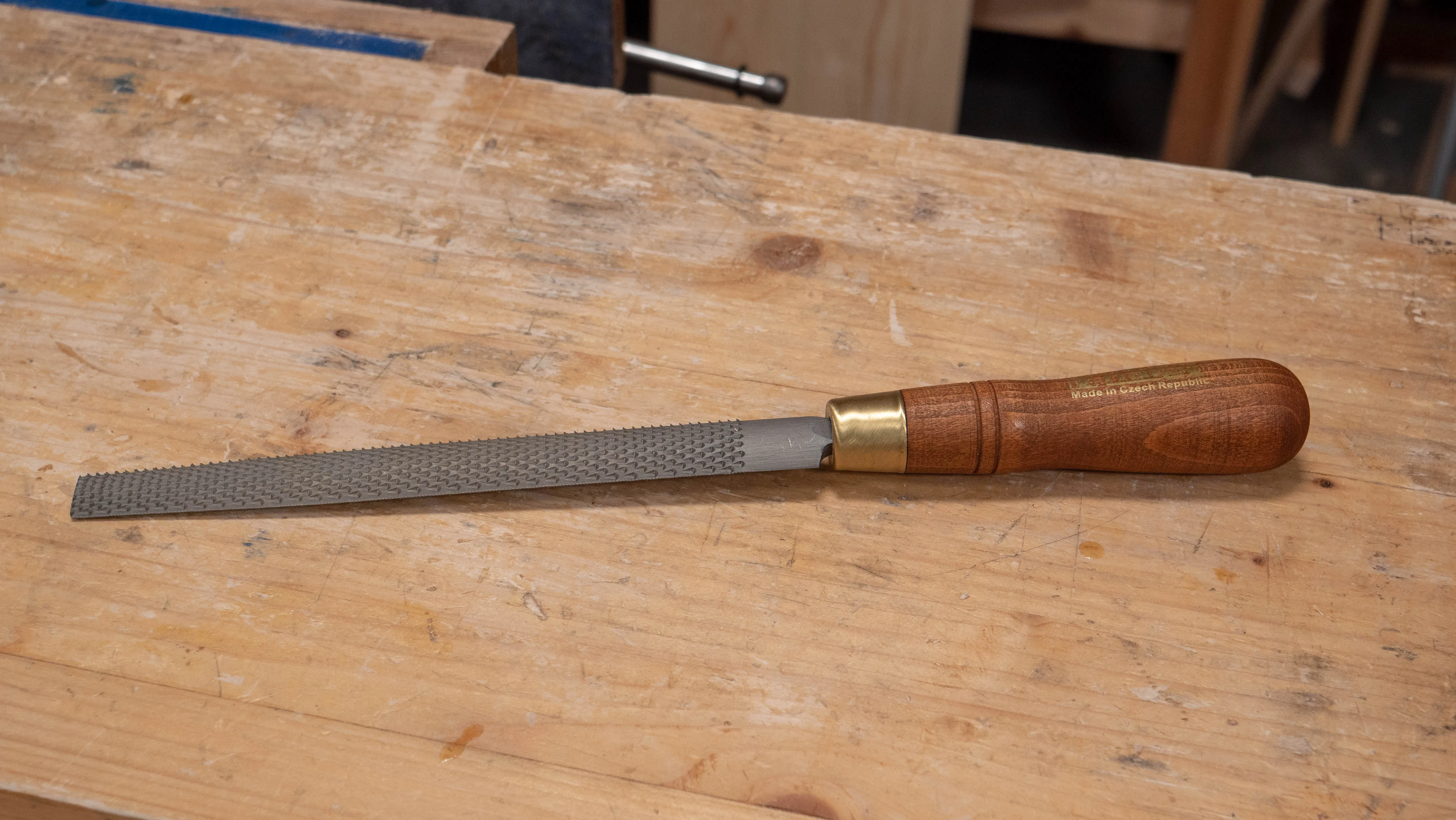
The Rasp Guide
A rasp is similar looking to a file in terms of shape. However, their working faces are significantly different. Rasps have individually raised teeth, referred to as stitches, evenly dotted over t...
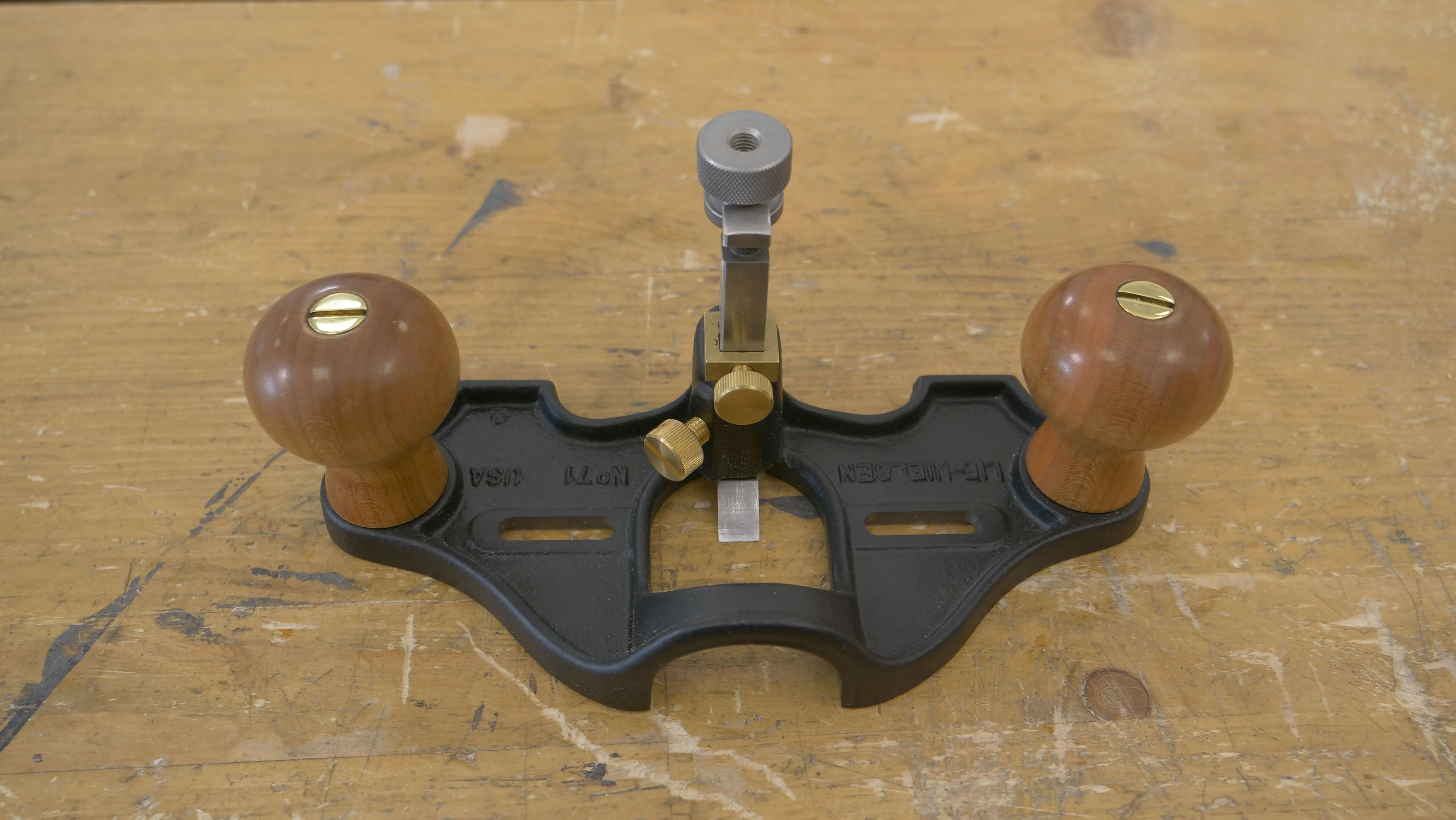
The Router Plane Guide
This page covers the ins and outs of working with a standard router plane. In order to provide a more affordable alternative, without compromising on utility and effectiveness, Paul has come up wit...
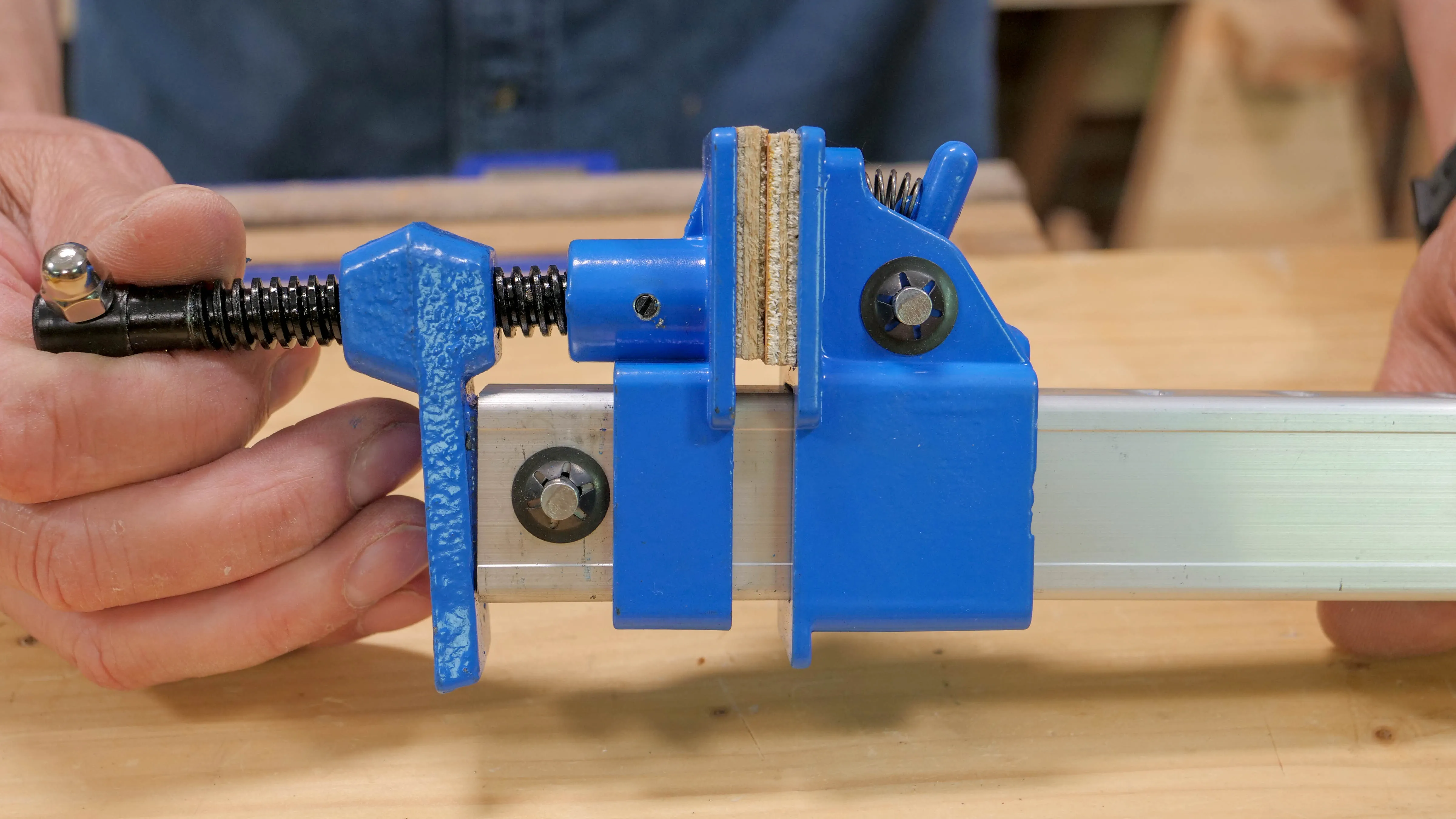
Sash Clamps
Sash clamps are used to hold together projects for an extended period of time. This is usually when gluing up, to ensure the parts don’t move while the glue dries. They can also be used for tempora...
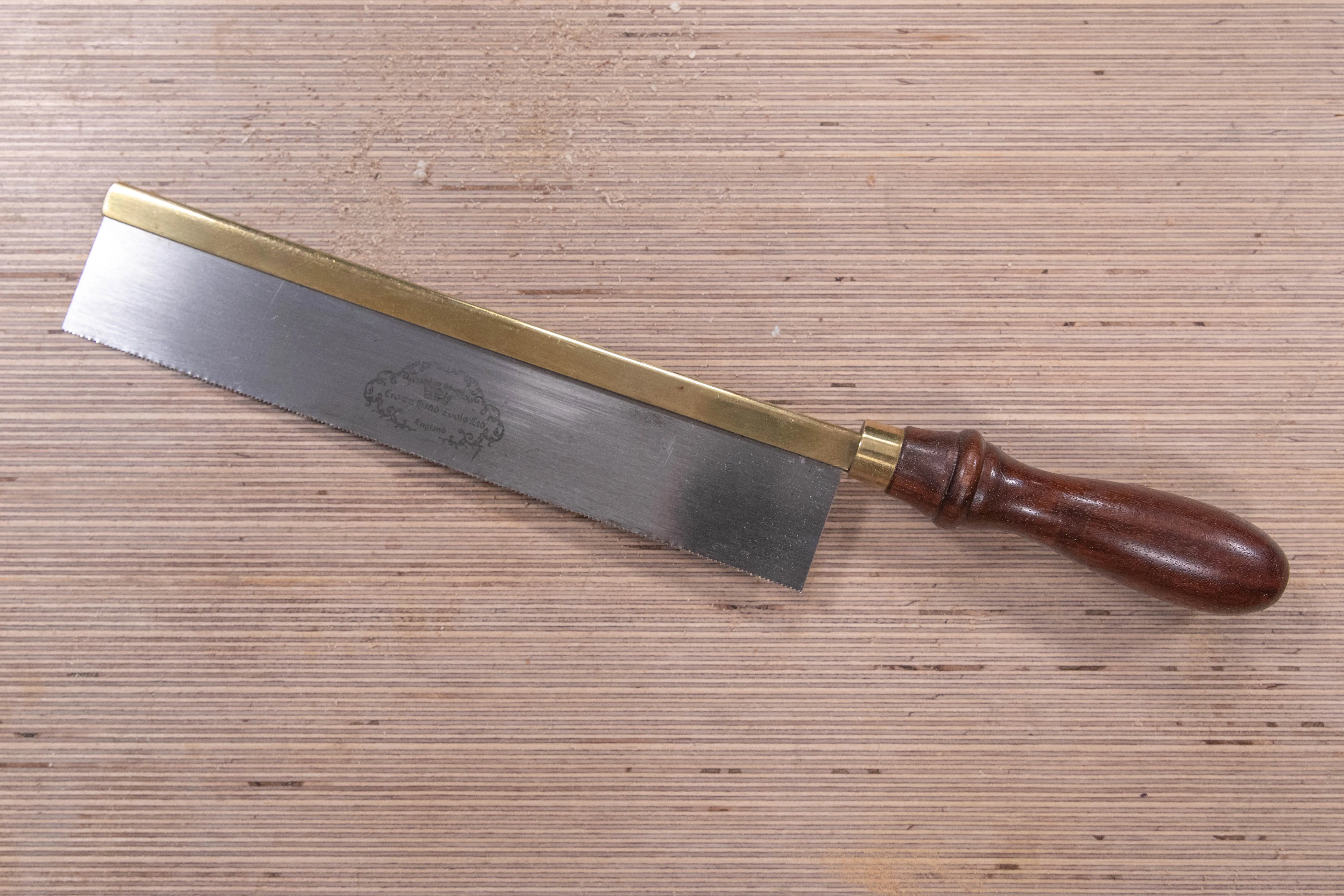
The Saws Guide
A Note on the Term ‘Handsaw’: Technically all saws can be classed under the term ‘handsaws’, as this is a general term for all saws used by hand (not machines). However, the term ‘handsaws’ can als...
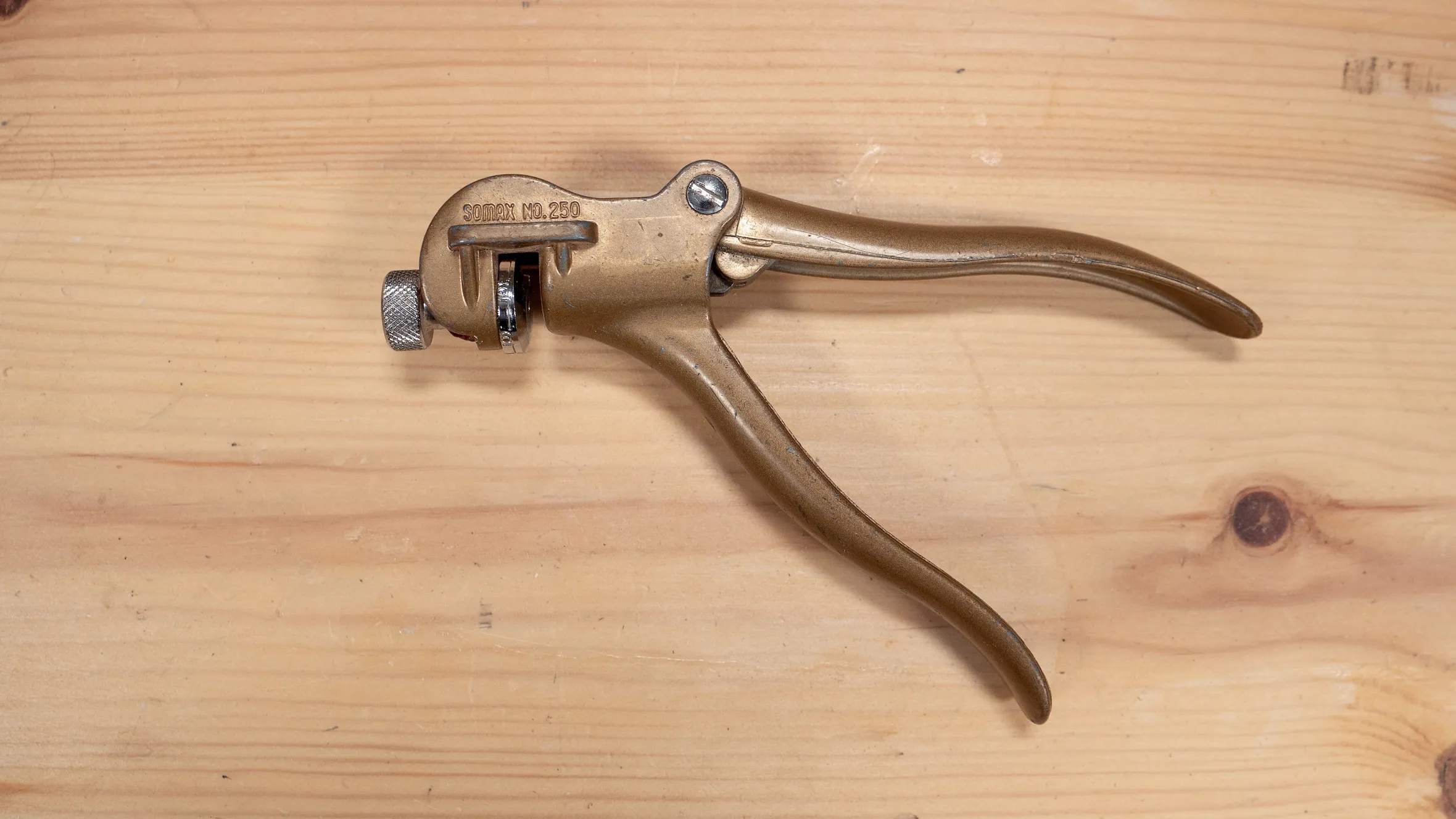
The Sawset Guide
A sawset is used to carefully and accurately bend the teeth of a saw to develop a kerf wider than the saw plate. This prevents binding as the saw passes into and through the cut. The sawset bends t...
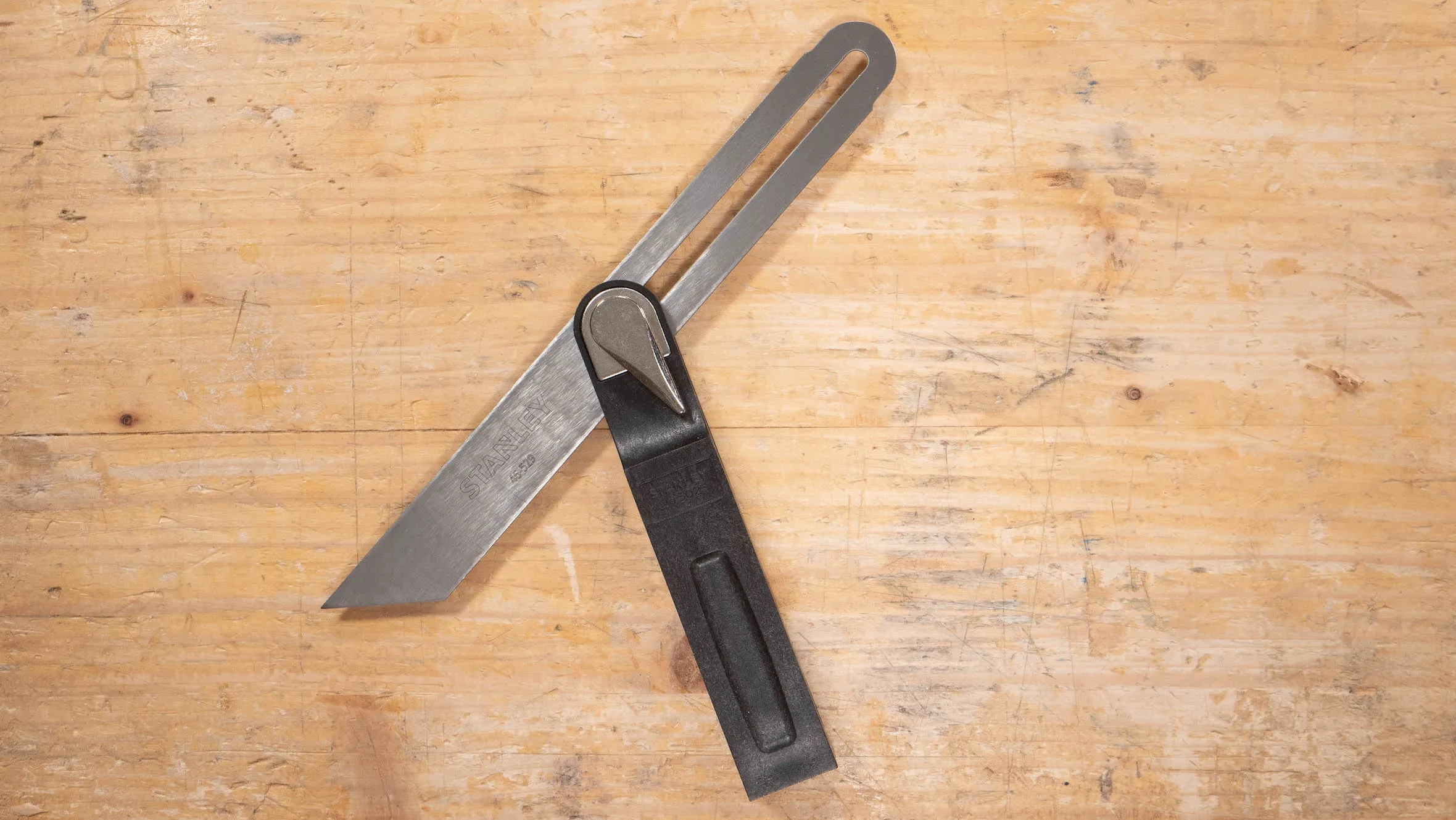
The Sliding Bevel Guide
The sliding bevel is a layout tool which is essential for accurate and precise woodwork. It is made up of two parts, the beam and the stock, both of which can move on an axis. These can be fixed us...
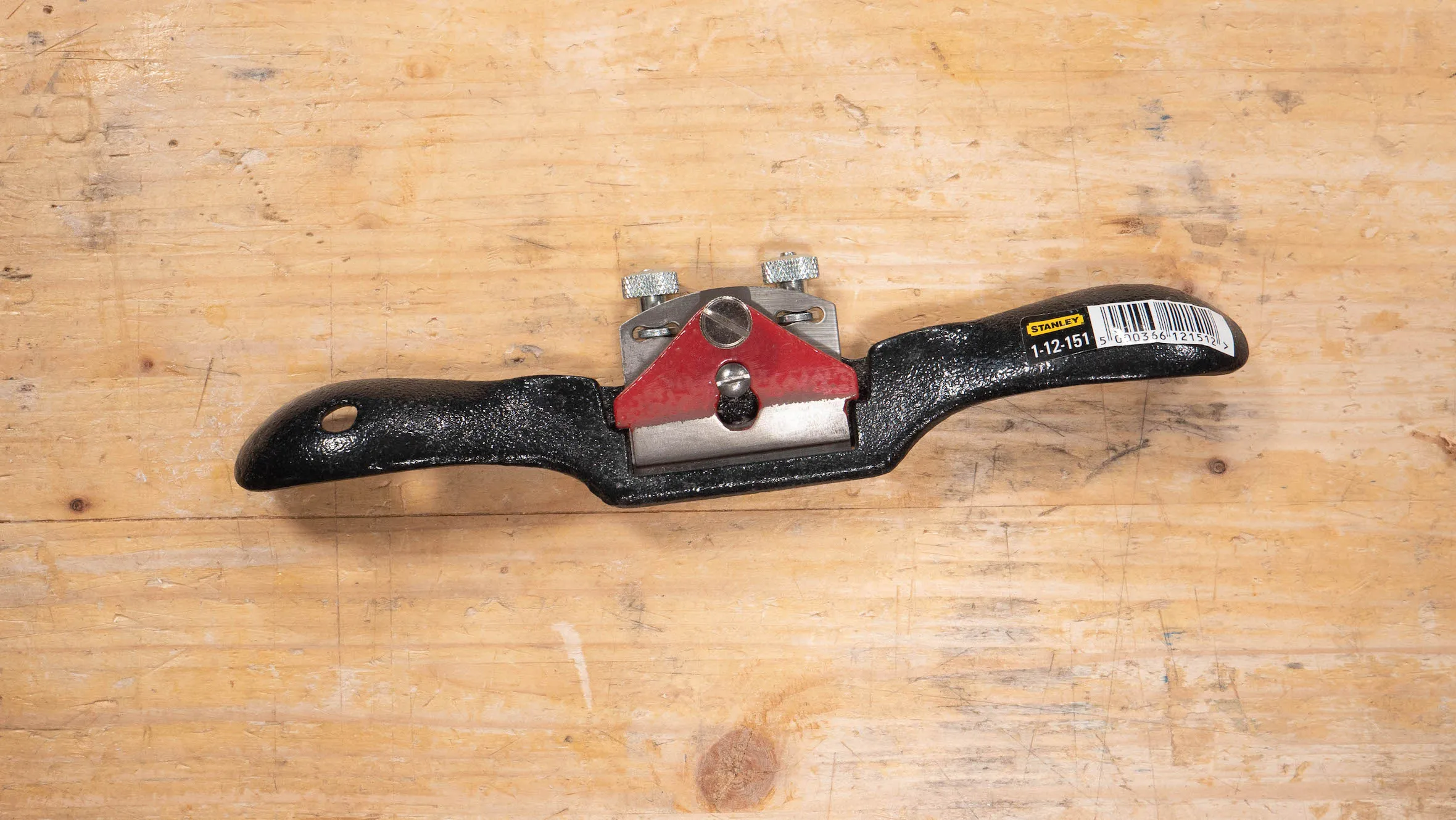
The Spokeshave Guide
Spokeshaves are highly versatile woodworking tools used for shaping and smoothing wood. They work similarly to bench planes. The main difference between the two is that bench planes are generally f...
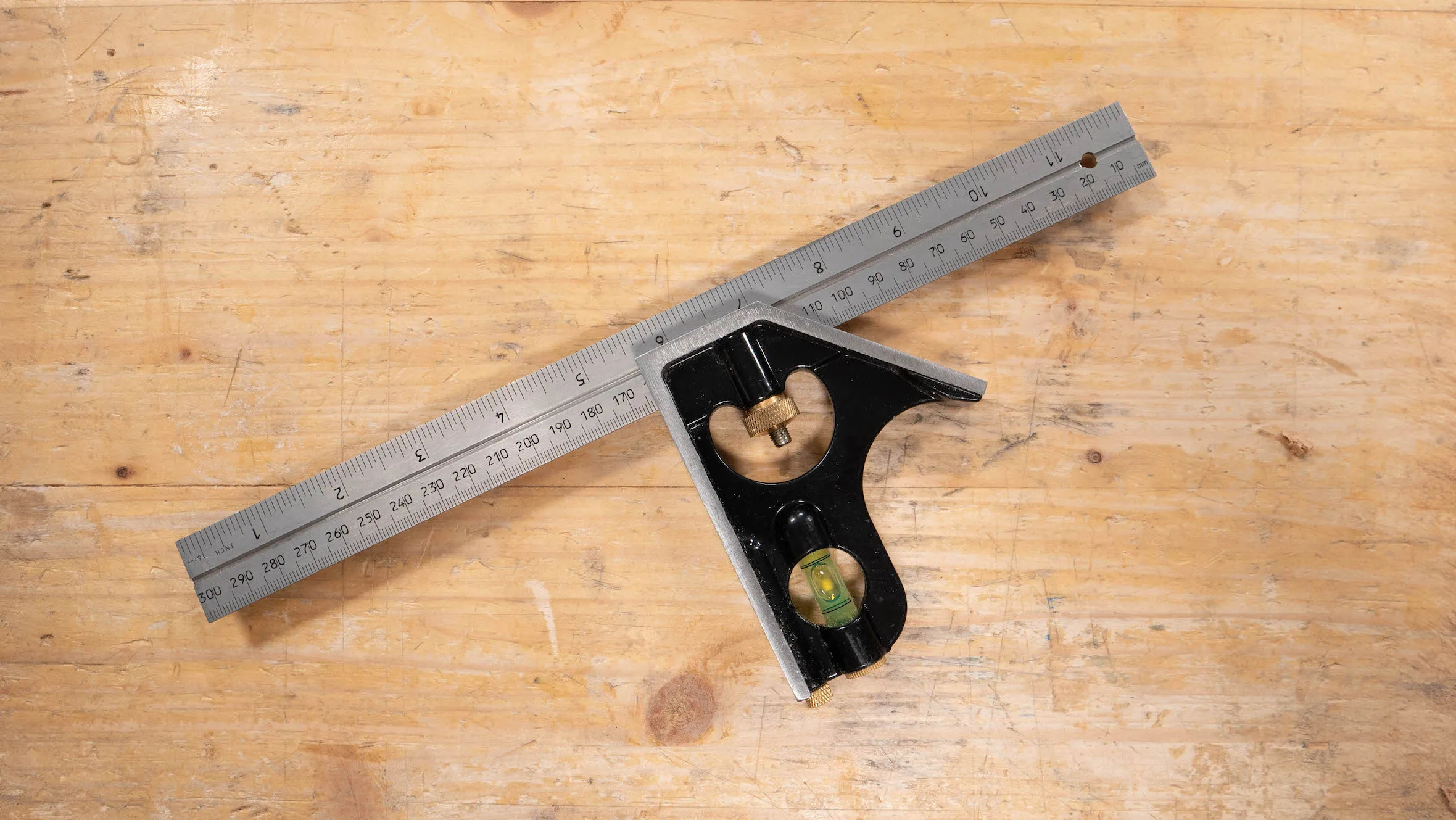
The Square Guide
The set square is used to ensure the accuracy of layout lines and cuts made with other tools. It must always be accurate because otherwise subsequent work will result in lower levels of quality.
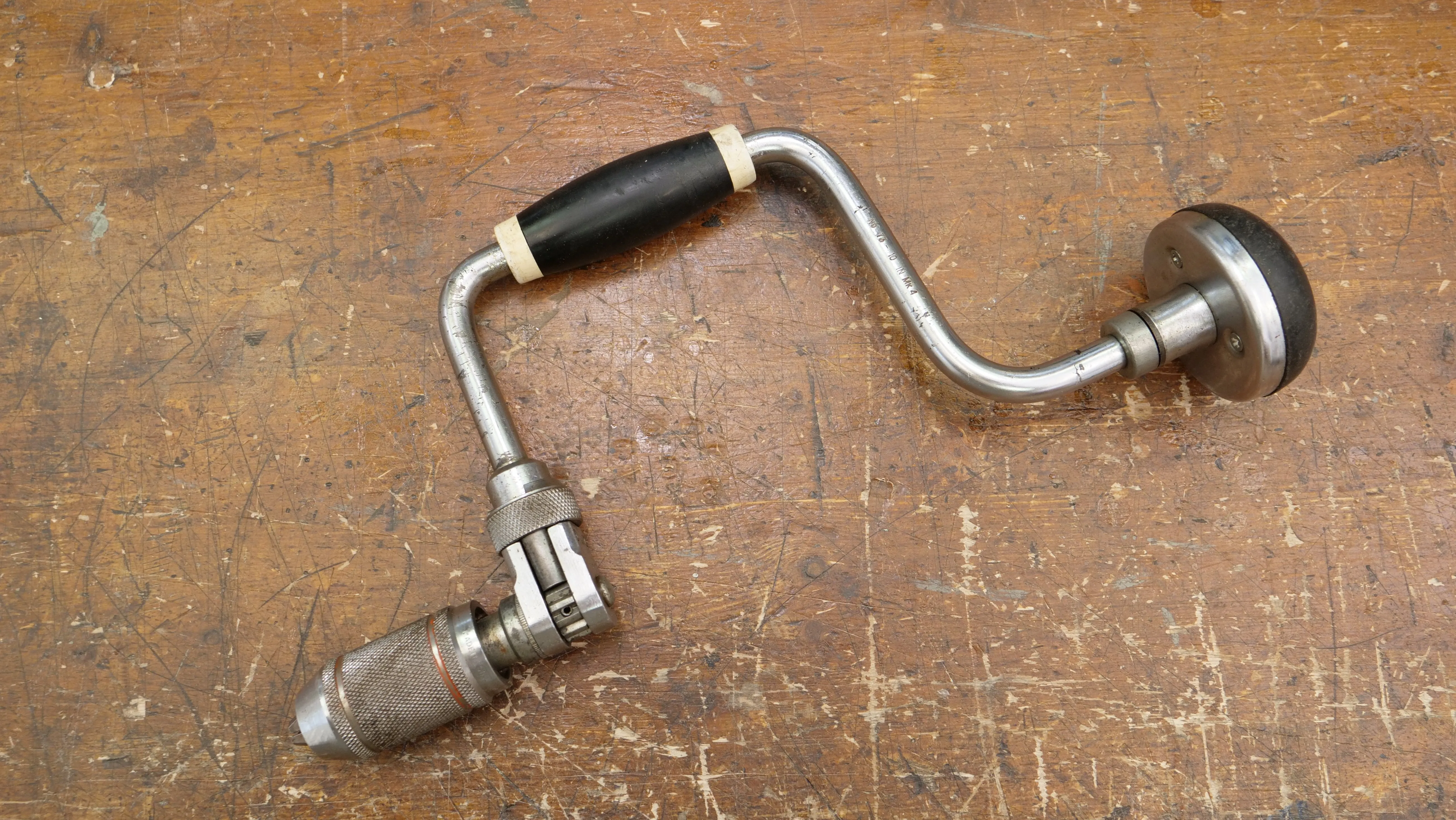
The Swing Brace Guide
A traditional woodworking brace is used to bore holes from ¼” in diameter and up, in increments of 1/16” to 1 ½”, which are often too big for a hand drill. They can create cleaner work than power t...
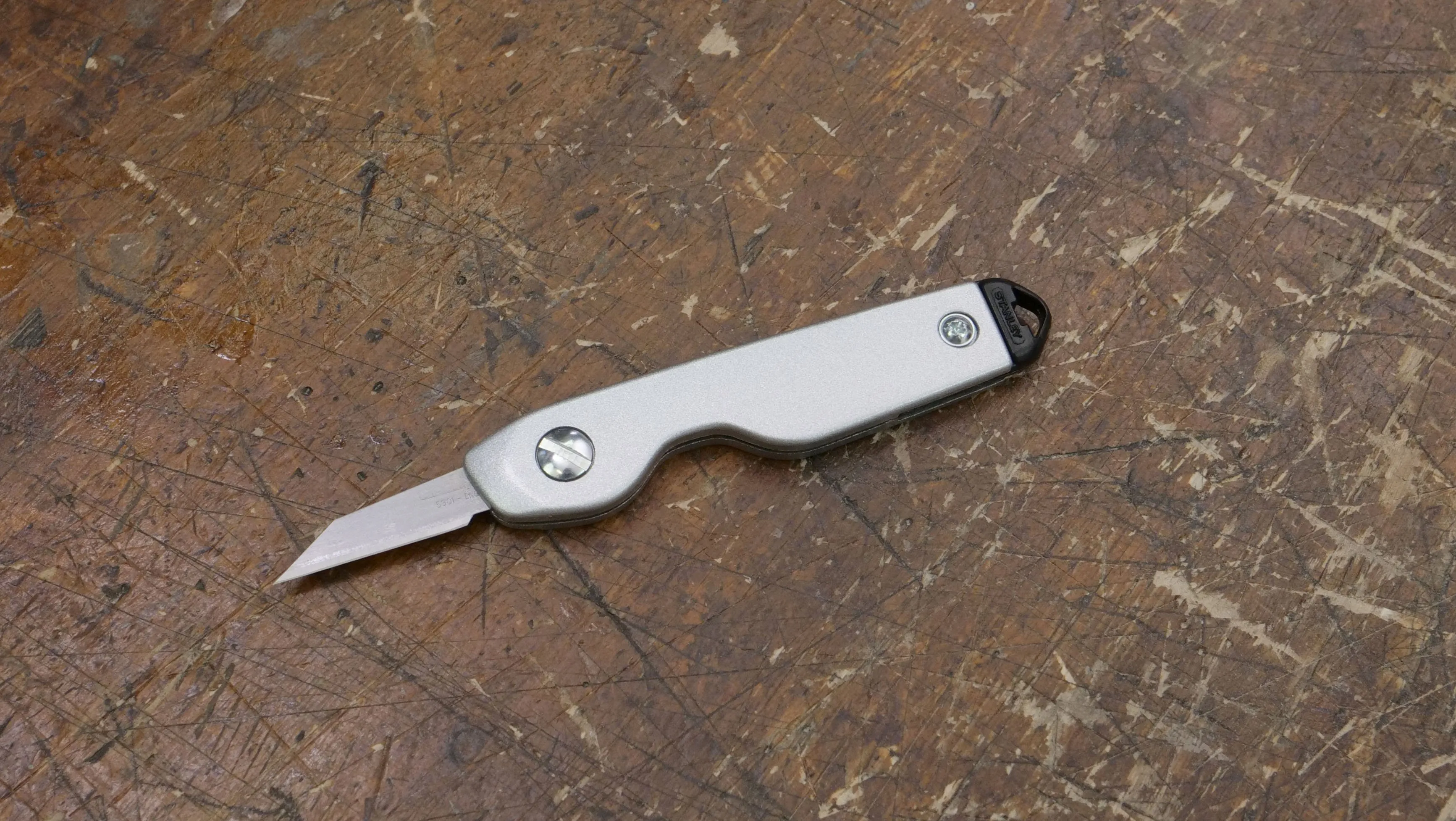
The Woodworker's Knife Guide
The woodworker’s knife has a thin steel blade attached to a handle. Sometimes the steel blade is retractable or folds. These can also be known as scoring, striking, marking or layout knives. They g...
Buying Guides
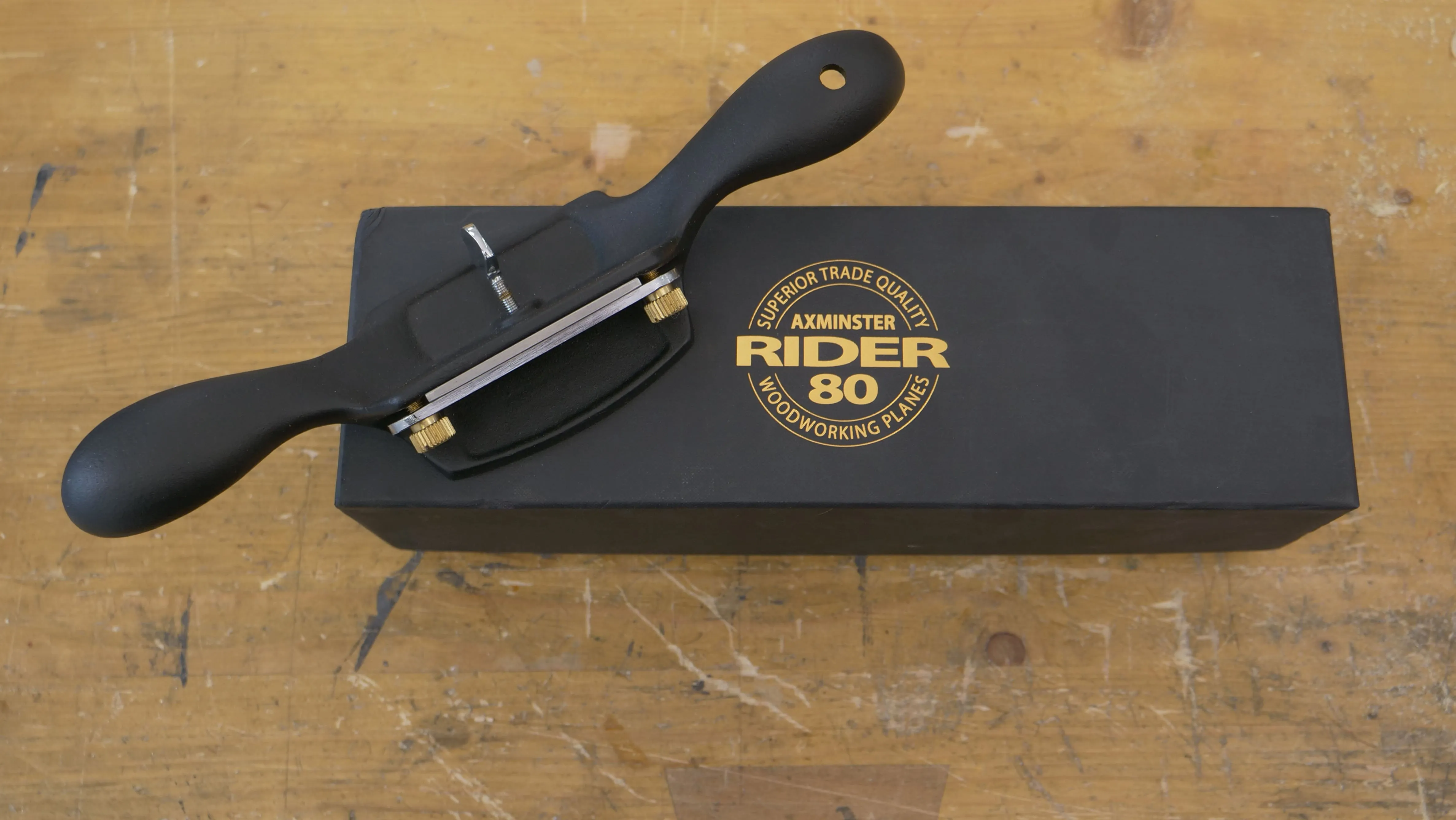
Buying a #80 Scraper
Paul found that, although the Faithfull #80 Scraper is similar to the Stanley, the blade was thinner and sharpened to the wrong angle. Although it turned out to be easier to sharpen, it didn't work...
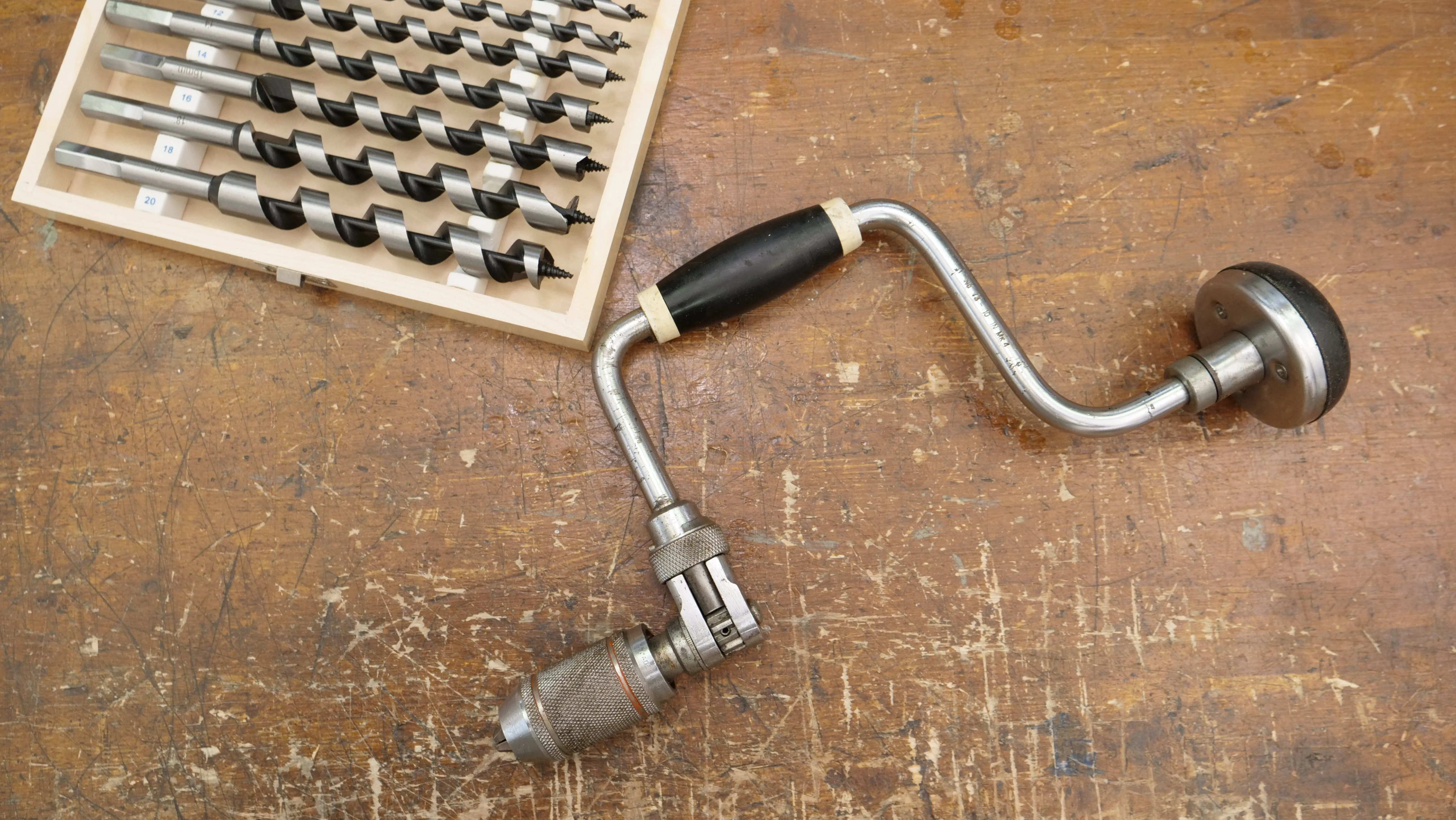
Buying a Brace
A secondhand swing brace should last a lifetime if it has been well looked after. We recommend buying secondhand, as there are lots available which are not worn down. They are also much less expens...
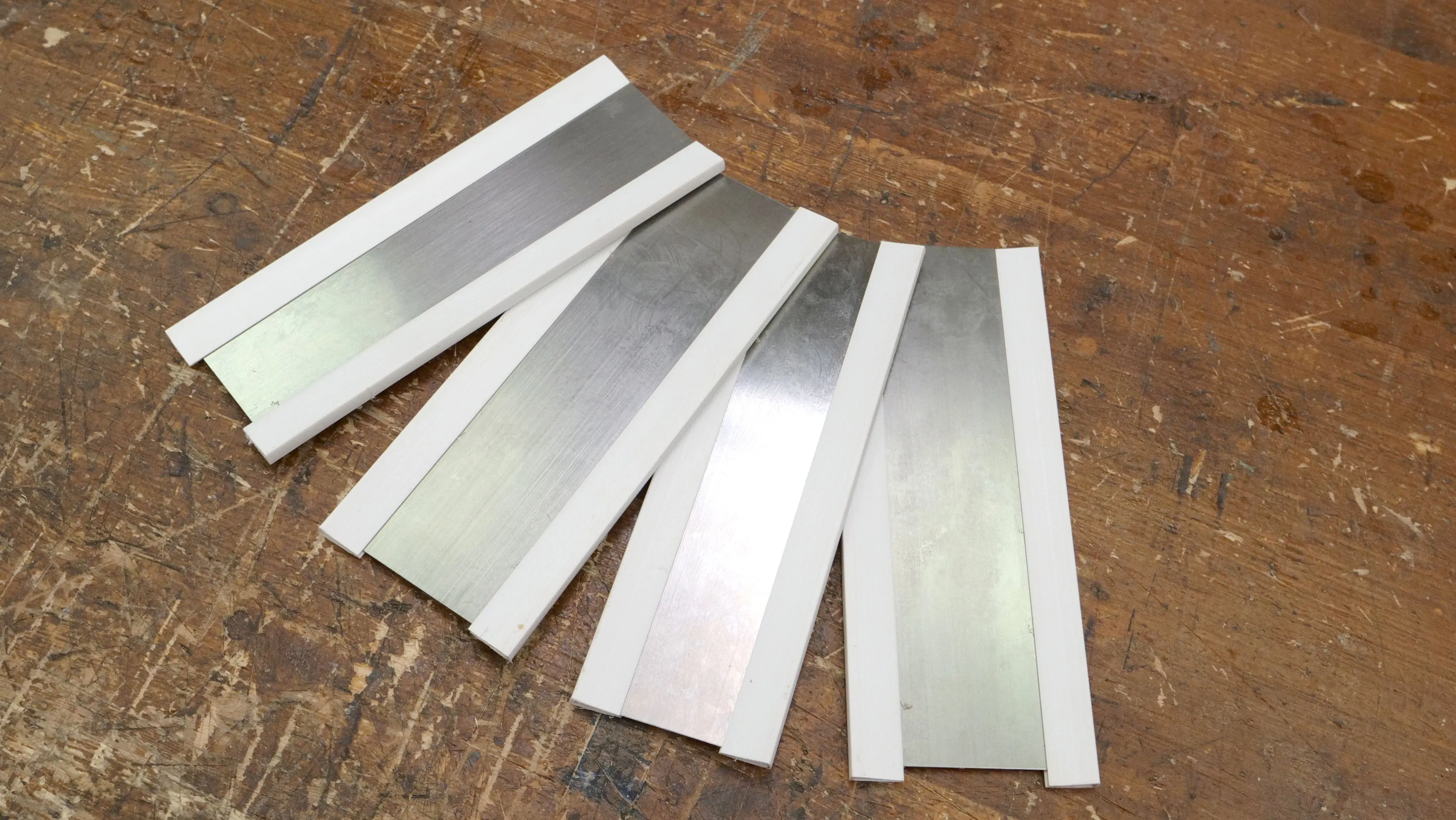
Buying a Card Scraper
Paul recommends a Veritas scraper as the steel takes a good edge, the hardness is just right – not too brittle – and they flex well. They come in a set of 4 rectangular scrapers (listed as Veritas ...
Buying a Chisel
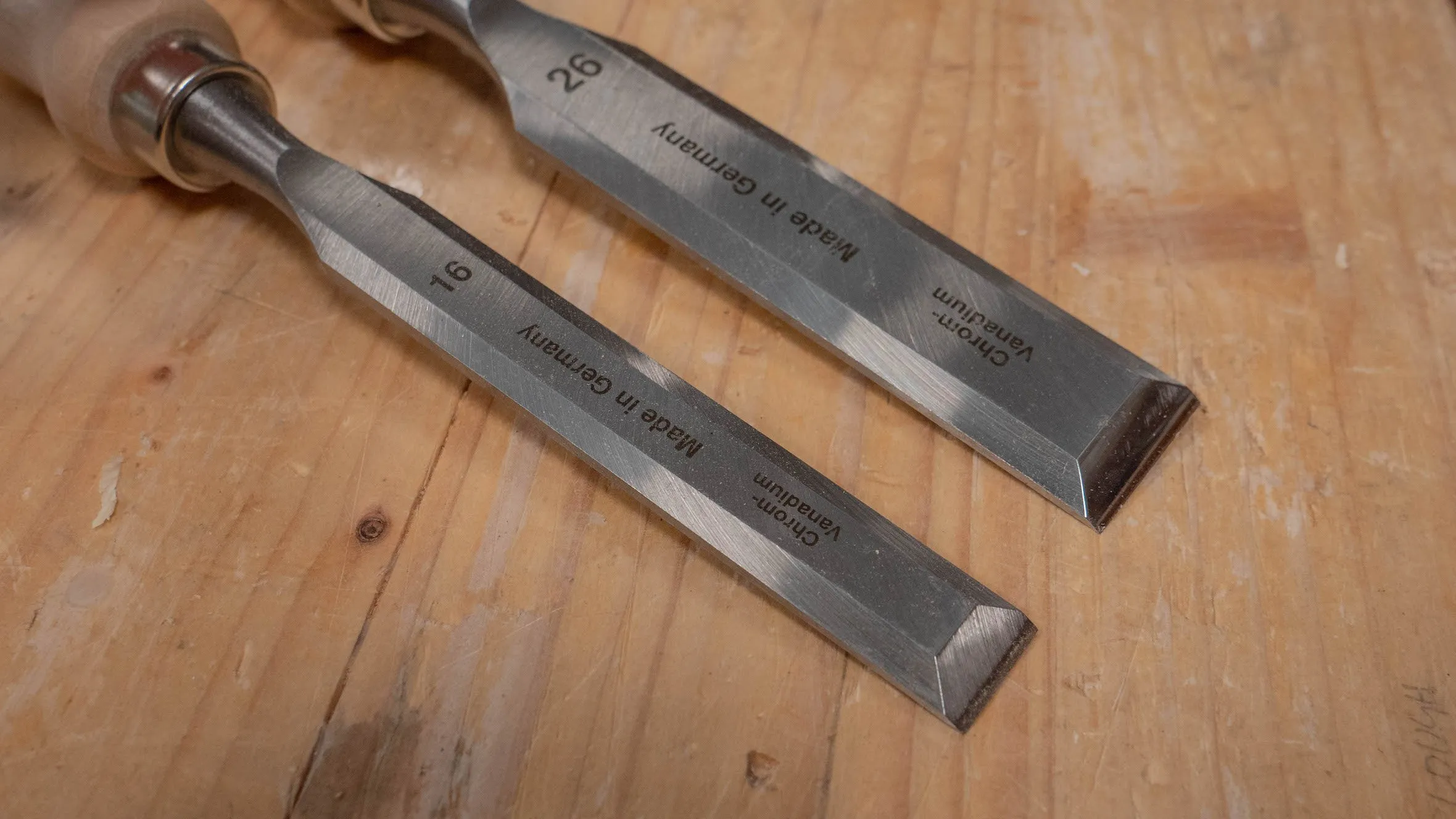
When buying chisels, you will usually find a set of 4 or a set of 6. The set of 4 includes the 4 most common sizes, listed below, and the set of 6 includes the two additional sizes:
Buying a Chisel Hammer
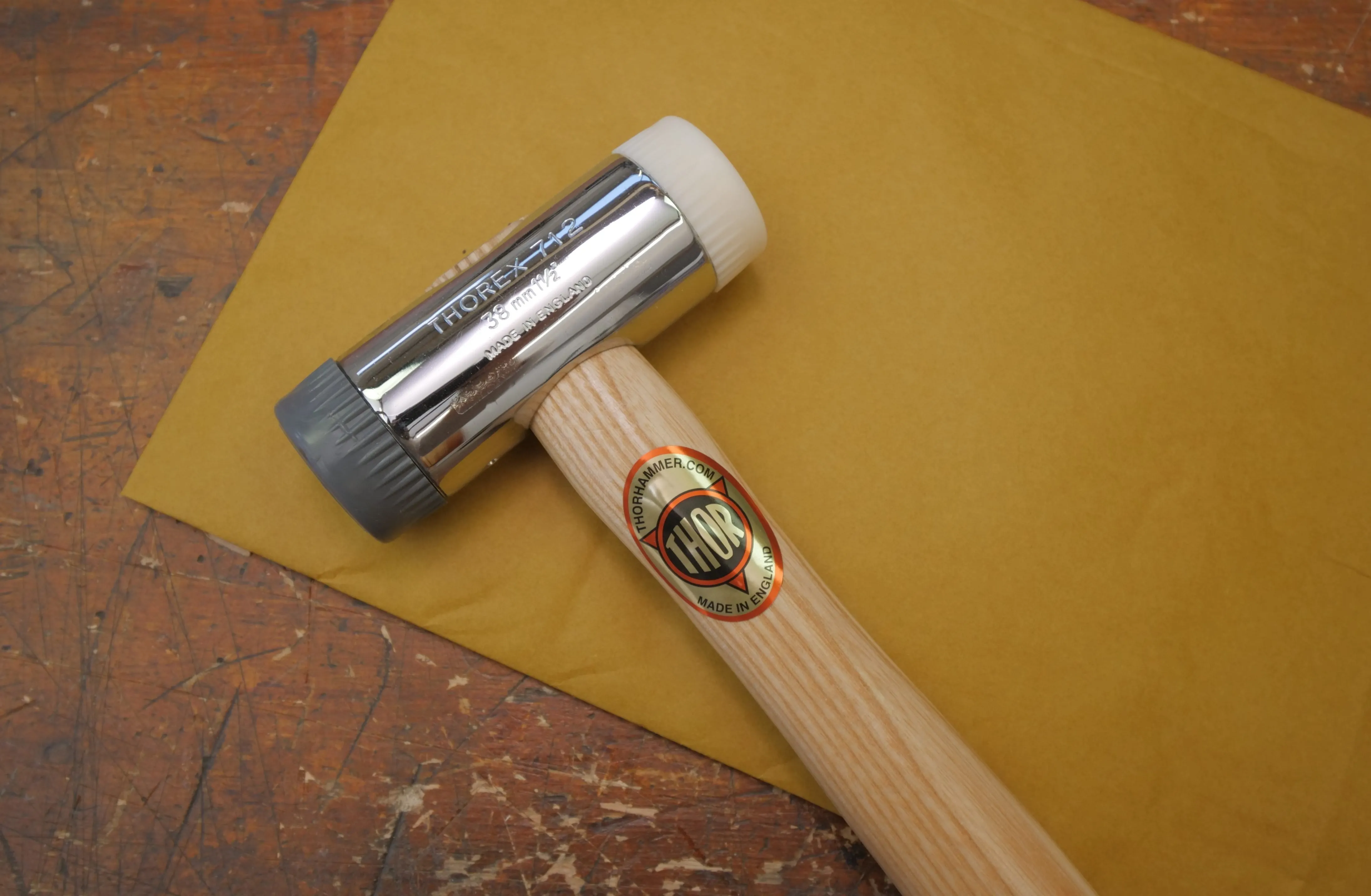
Called a chisel hammer by Paul Sellers, when being sold they can be listed as a 'nylon hammer', 'assembly hammer' or even a 'soft-faced hammer'. Paul prefers a nylon faced hammer, (31-712R Thorex N...
Buying a Combination Gauge
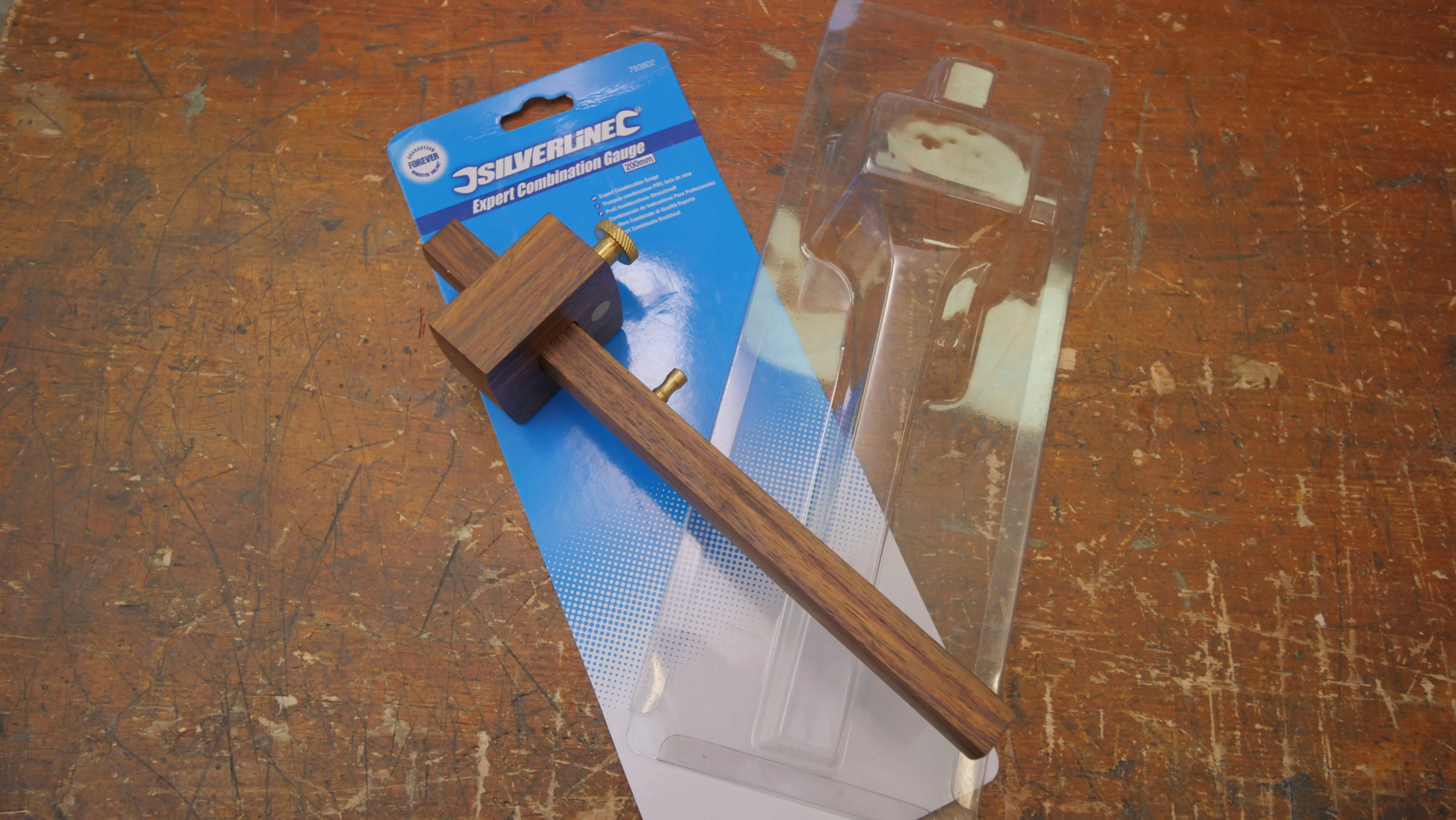
Buying a combination gauge is more cost effective, as it essentially combines the marking and mortise gauge into one gauge. Paul recommends the type that have pins rather than discs, as the discs t...
Buying a File
Guide updated on 18th April 2019 to recommend Bahco.
Buying a Gouge
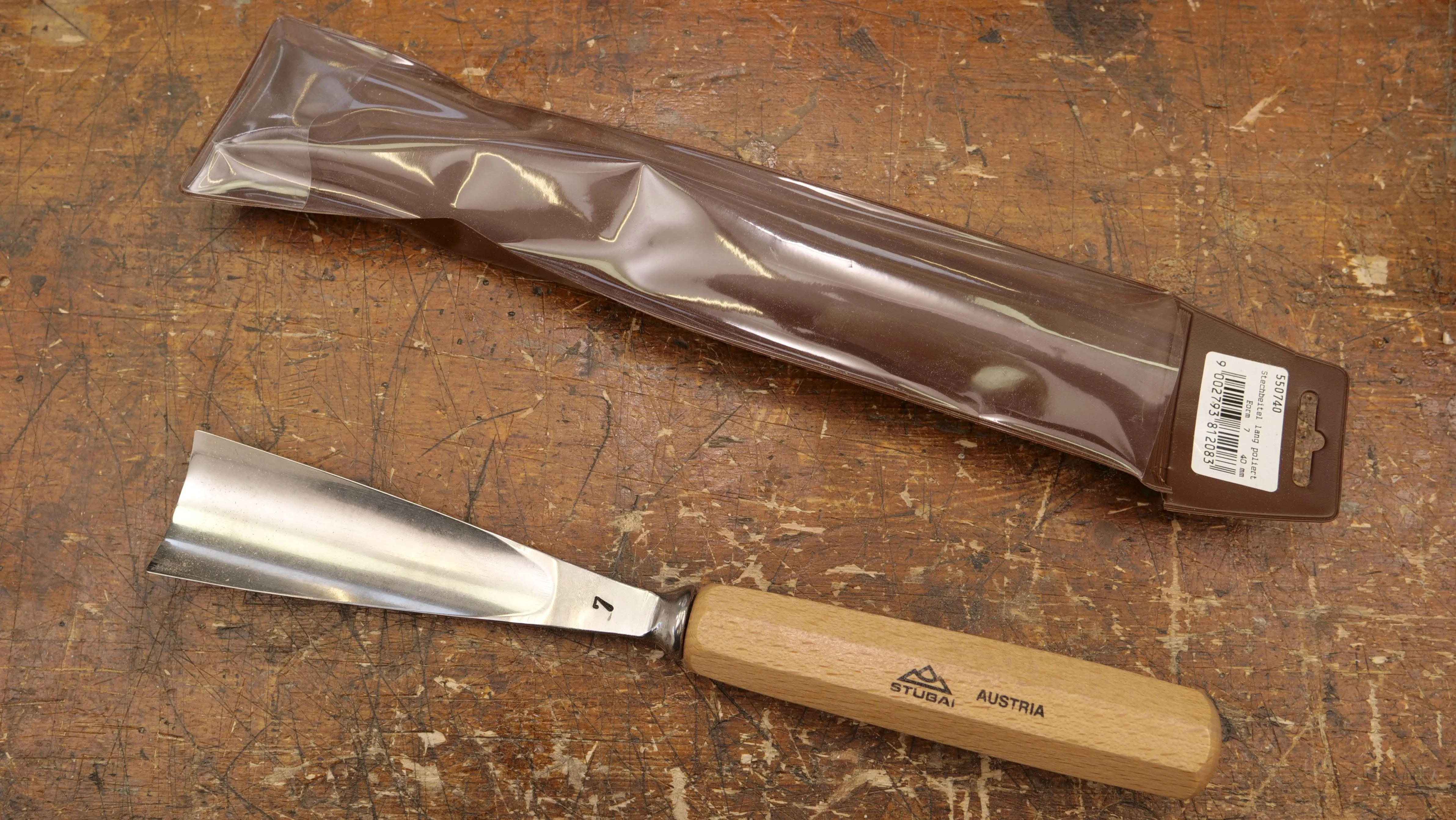
Paul recommends the Ashley Iles No7 37mm straight gouge for use in spoon and bowl carving. He also uses and recommends Pfeil and Hirsch in similar size and sweep. However, these brands are not alwa...
Buying a Hammer
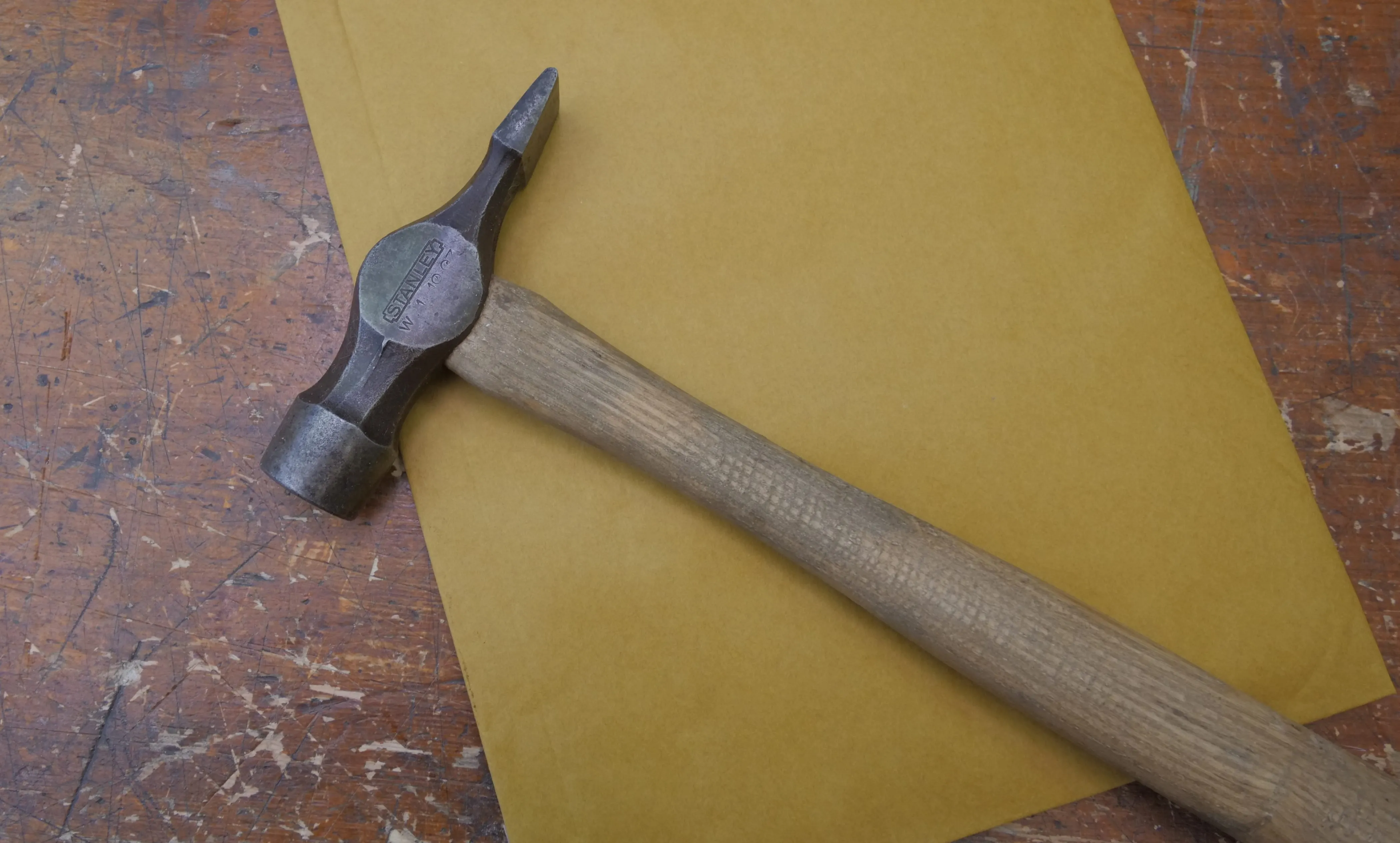
Stanley and Brades are both good makes of hammer to look out for. These are quite difficult to find at the ideal 10oz weight. If you struggle to find one, go for a 12oz instead. eBay often have goo...
Buying a Plane
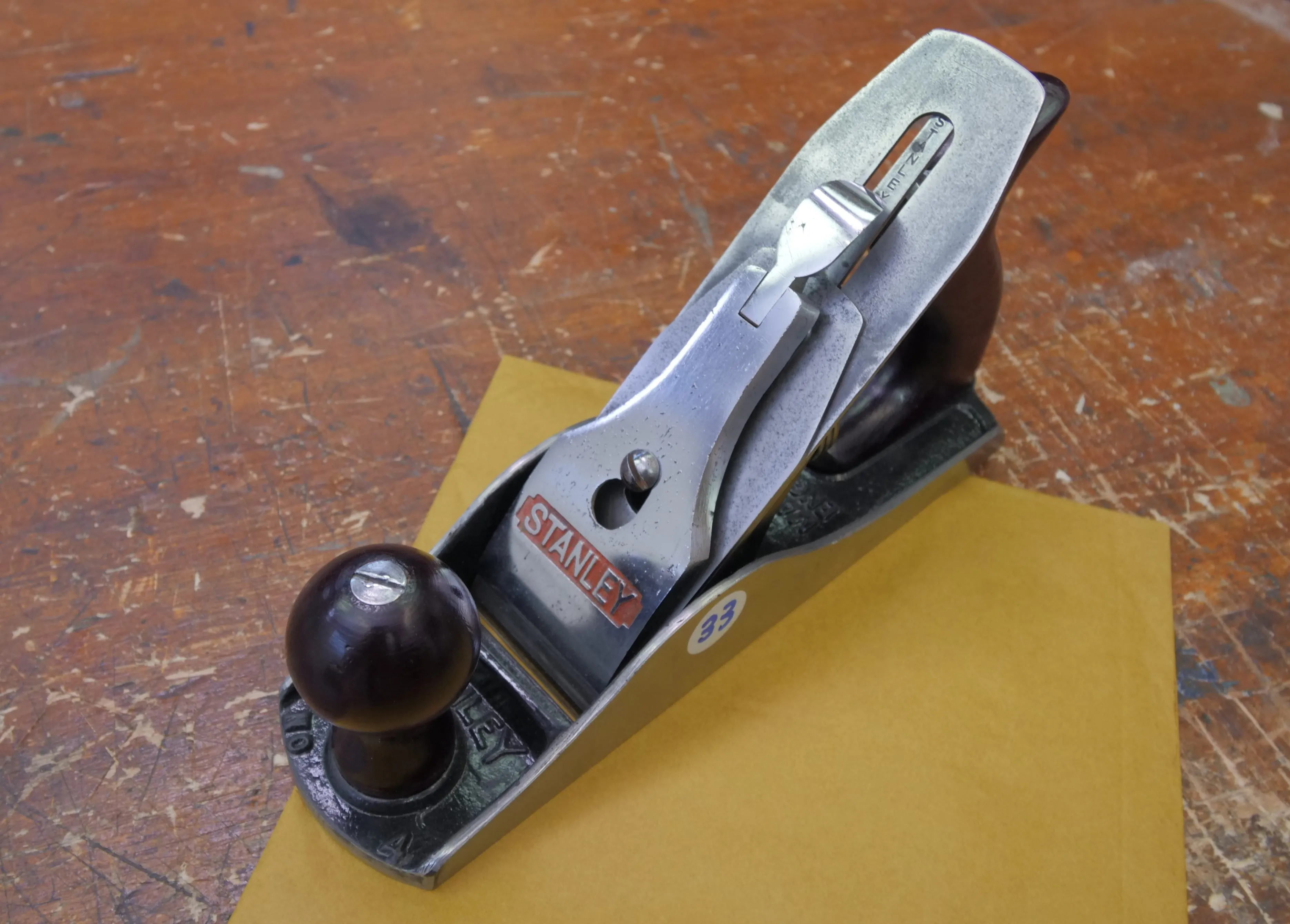
Paul Sellers recommends the Bailey-pattern #4, as it usually suits the build or stature of most people. If you have a slightly smaller stature, the #3 might suit better. Paul uses the #4 and #4½ th...
Buying a Plough Plane
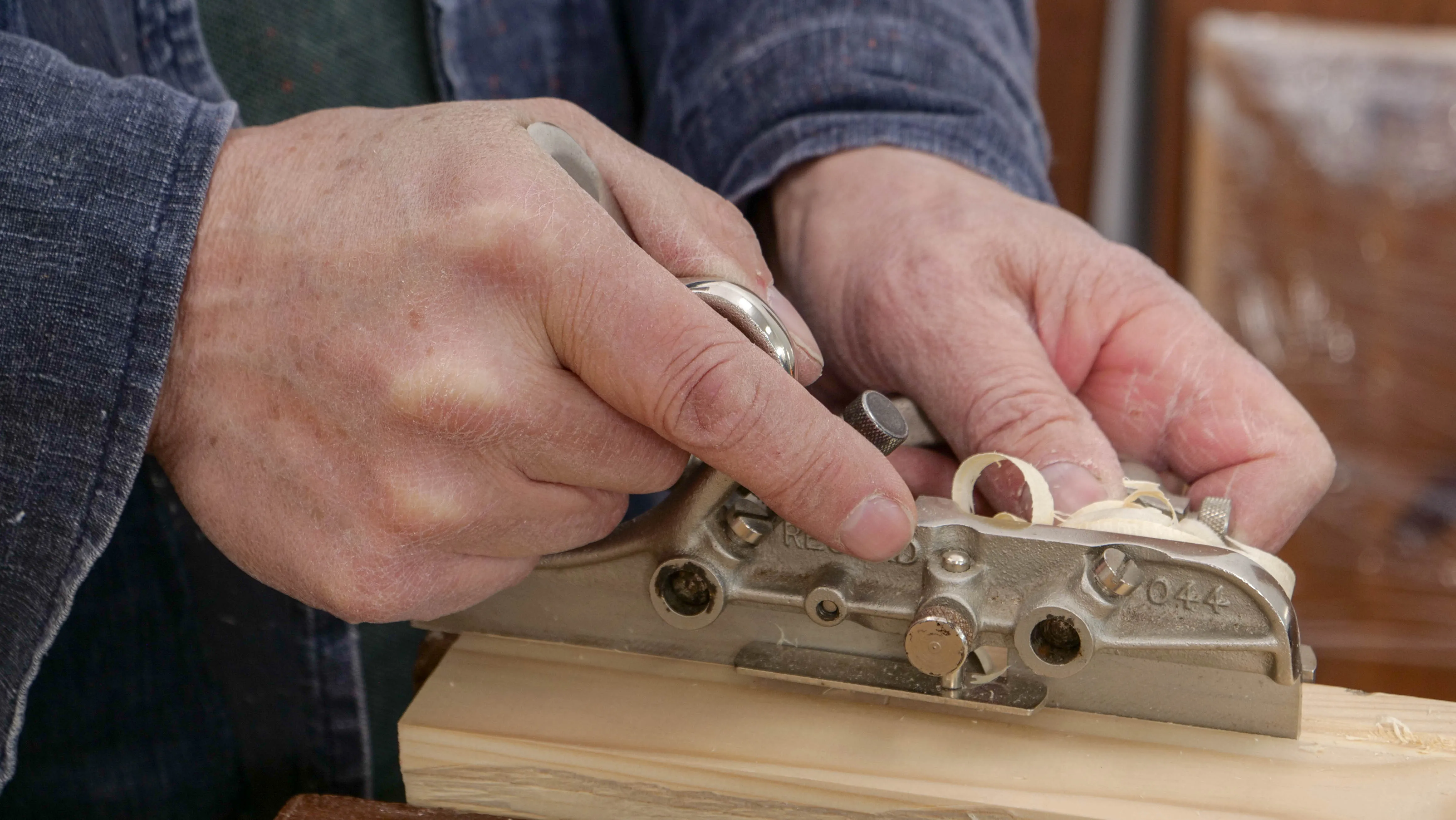
Paul enjoys using a secondhand Record 043 or 044 plough plane. However, they are no longer in production as new models. So far, they have been readily available via eBay. You can sometimes get a go...
Buying a Rasp
Guide updated on 18th April 2019 to recommend the Narex Rasp.
Buying a Router Plane
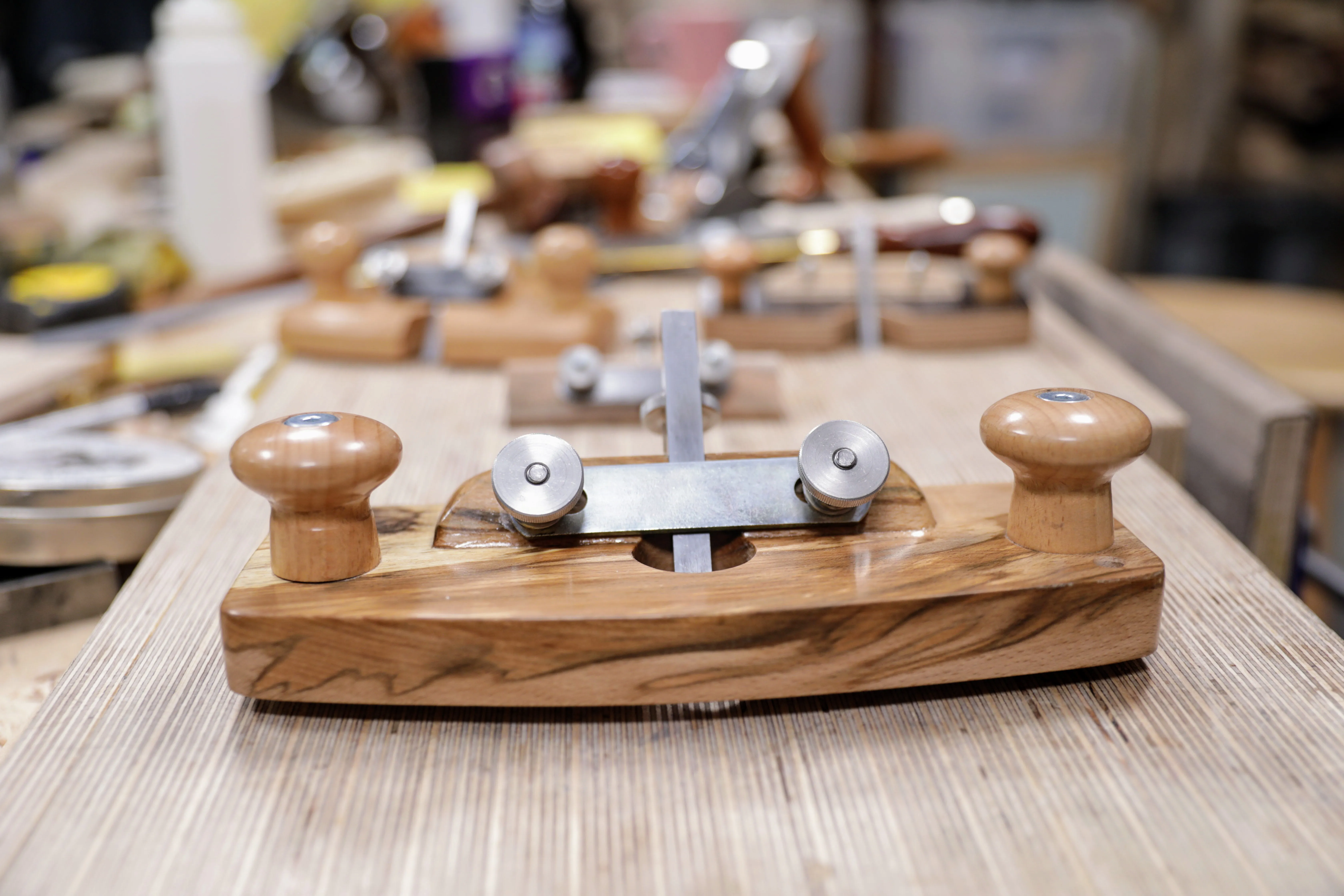
Paul would recommend that you make your own router plane. He says “it’s as easy to make as a dovetail box”. The videos and technical drawings are available on Woodworking Masterclasses
Buying a Sawset
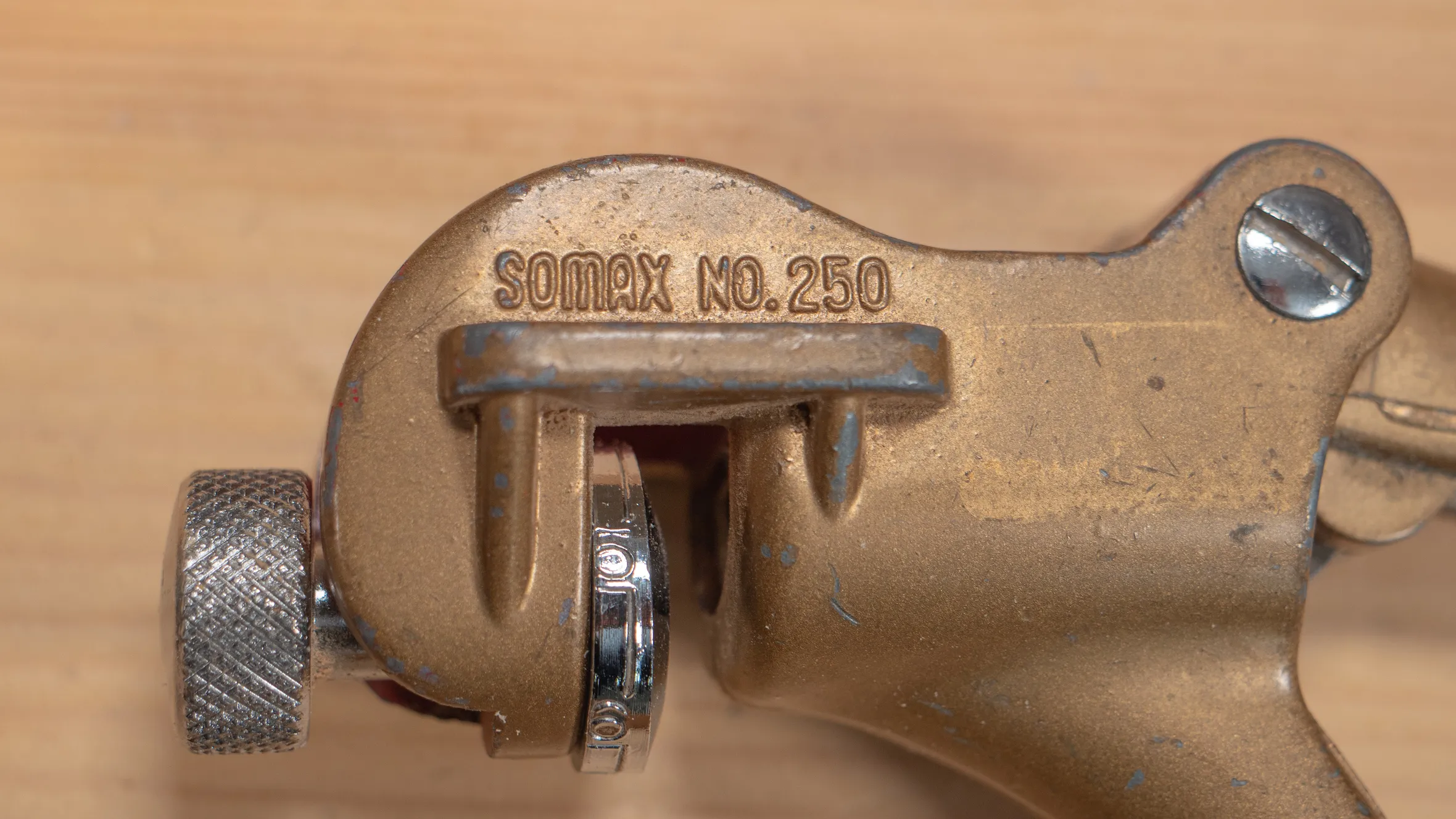
Paul recommends buying a secondhand sawset as they are cheaper and rarely wear out. These are readily found on eBay and also in secondhand outlets, such as flea markets and car boot sales. When buy...
Buying a Sliding Bevel
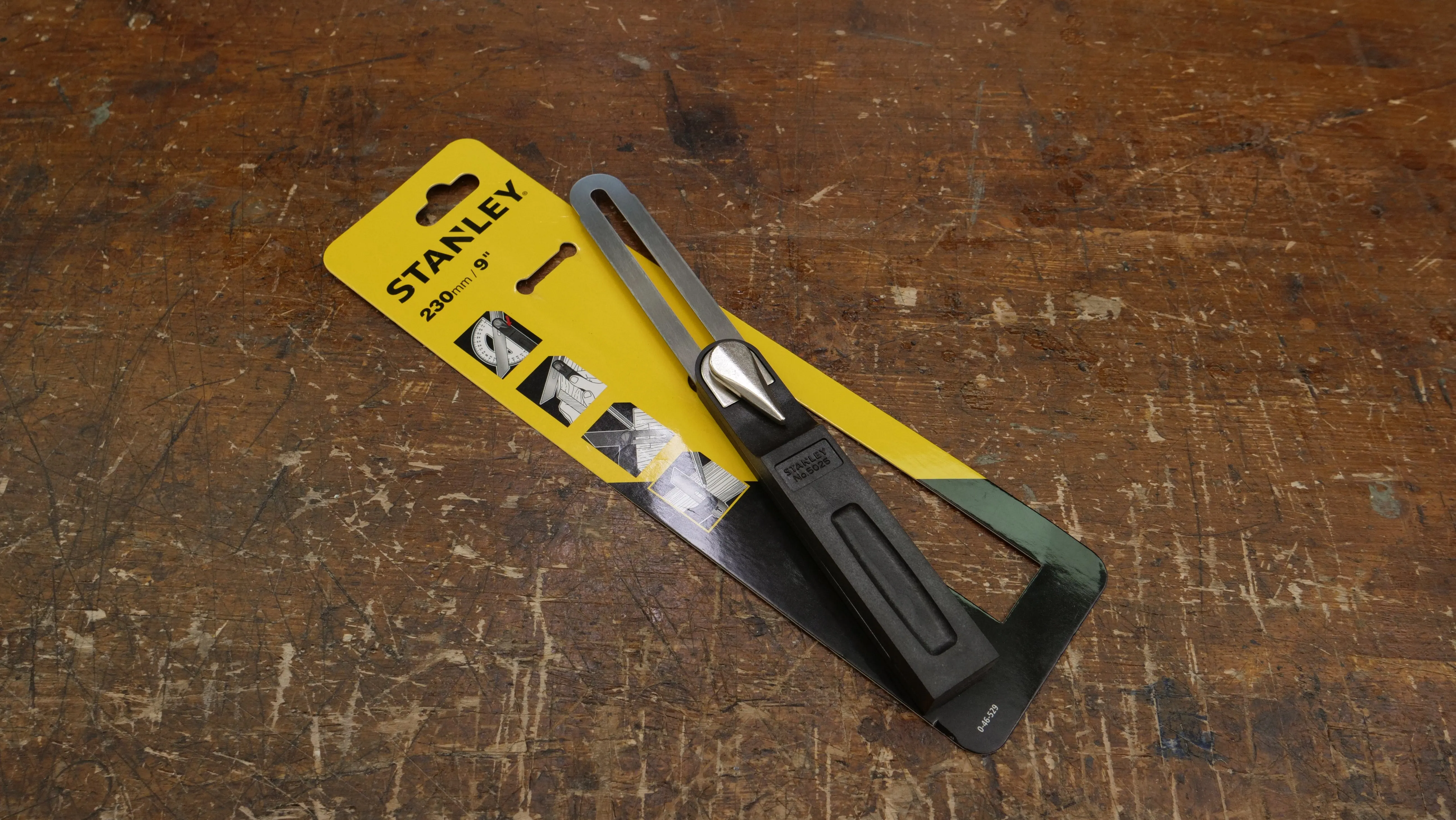
You can certainly make do with only one sliding bevel, but in some larger projects you may be laying out several different angles throughout. In such instances, it is beneficial to set a separate s...
Buying a Spokeshave
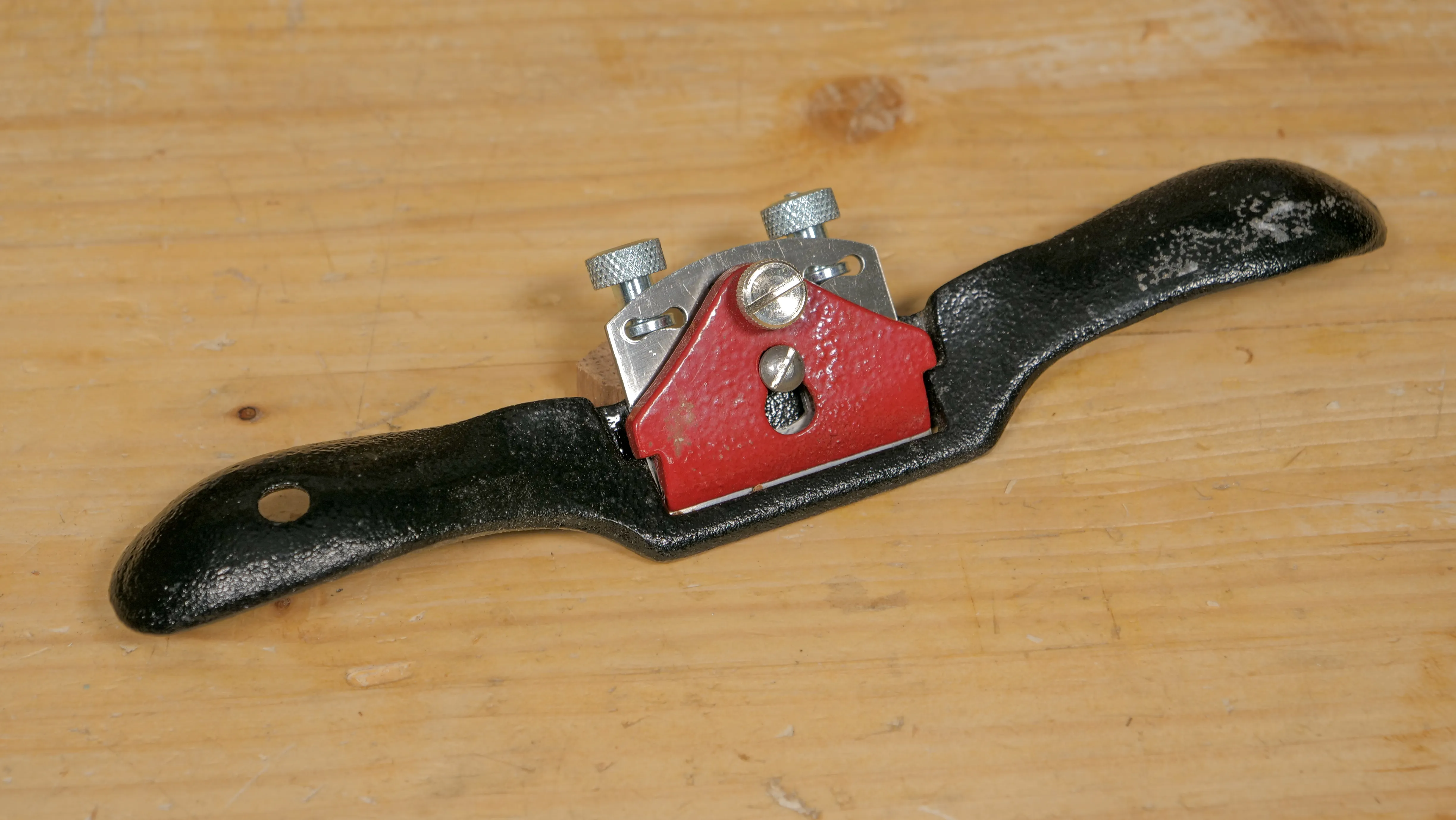
PLEASE NOTE: We have noticed a discrepancy between different models of the Draper spokeshave we previously recommended. Therefore, we do not recommend buying the Draper at present. The Stanley belo...
Buying a Square
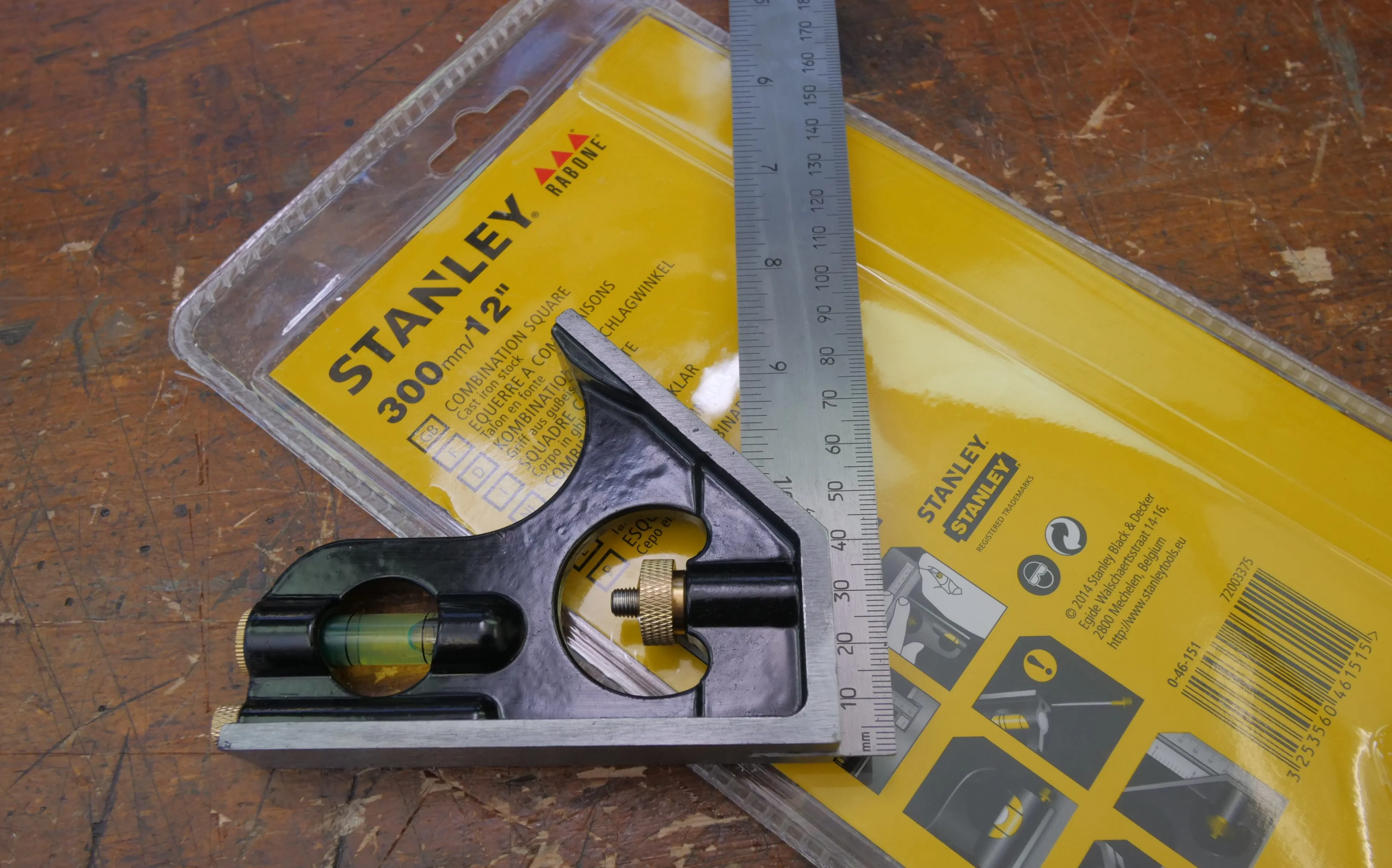
Paul Sellers recommends a 12" (300mm) combination square, as this should be suitable for almost all woodworking projects. He has found that, unlike the better quality combination square, the try sq...
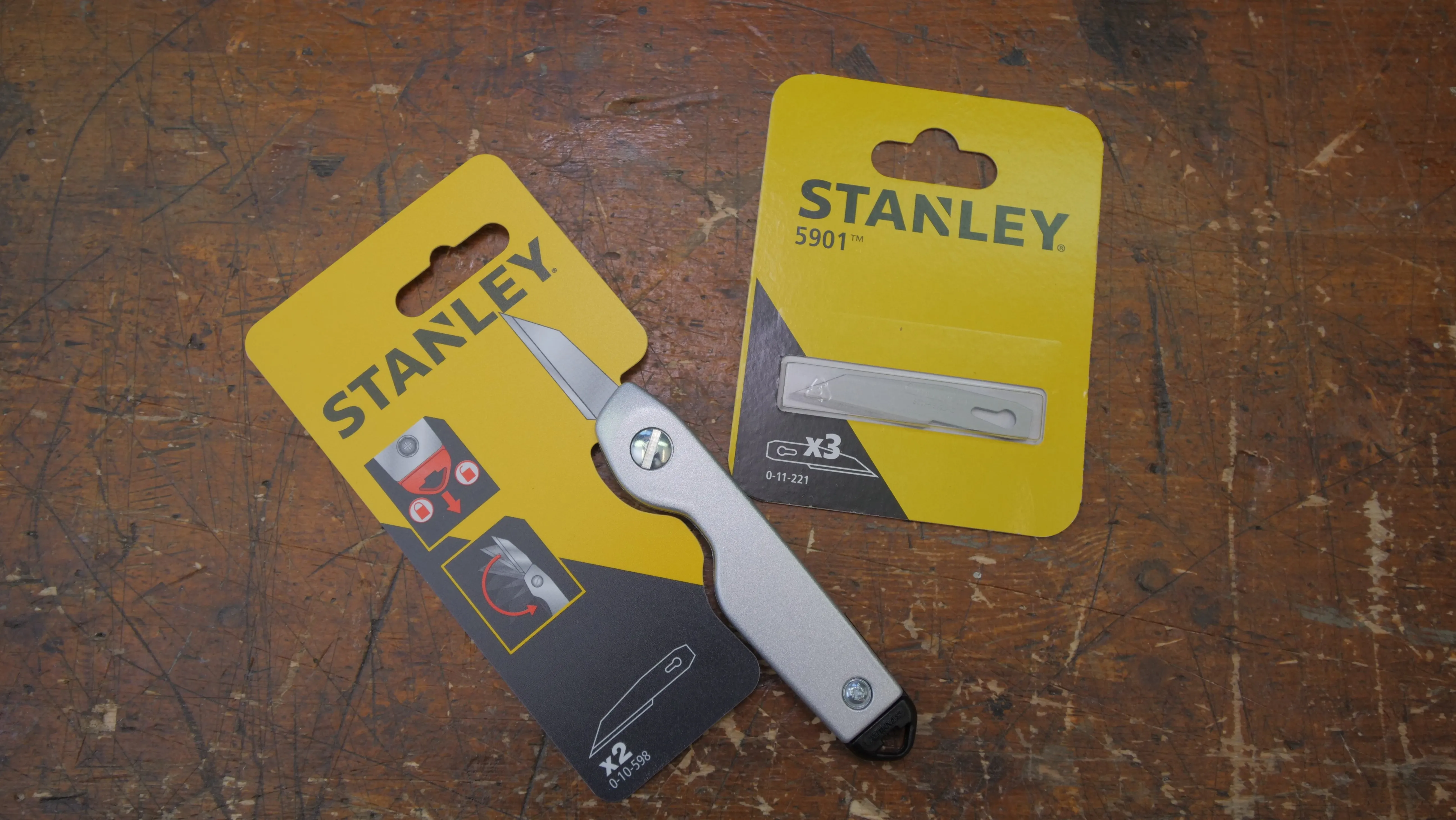
Buying a Woodworker’s Knife
When buying a woodworker's knife you should look for a thin, strong, flat blade. Don't be put off by the disposable blade options as some of these can be sharpened and last up to 2 years. Paul reco...
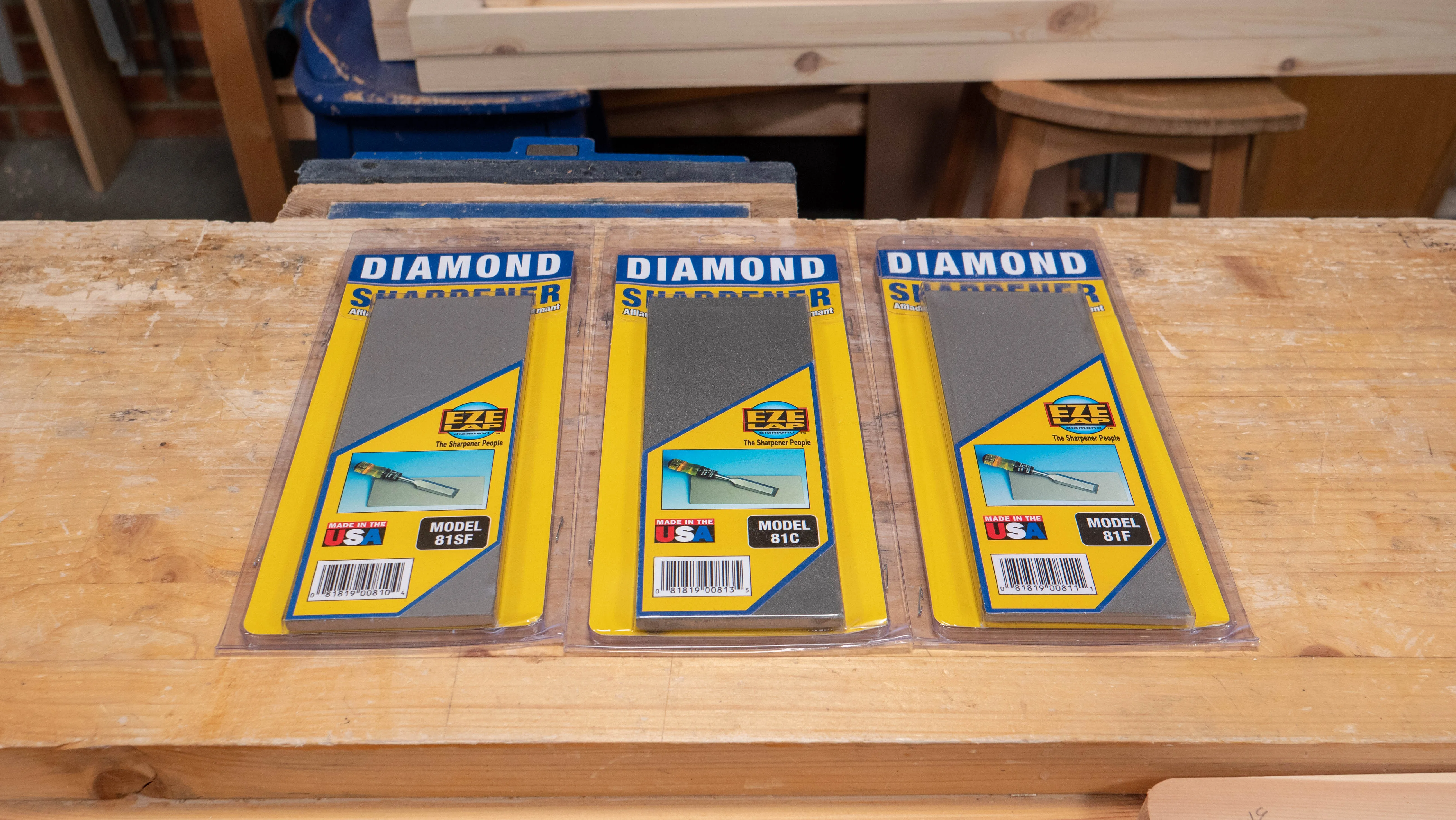
Buying Diamond Stones
When buying diamond stones, Paul suggests getting a coarse stone between 120-400 grit (250 is best), a fine stone between 600-1000 (600 is best) and a super-fine between 1200-1500 (1200 is best).
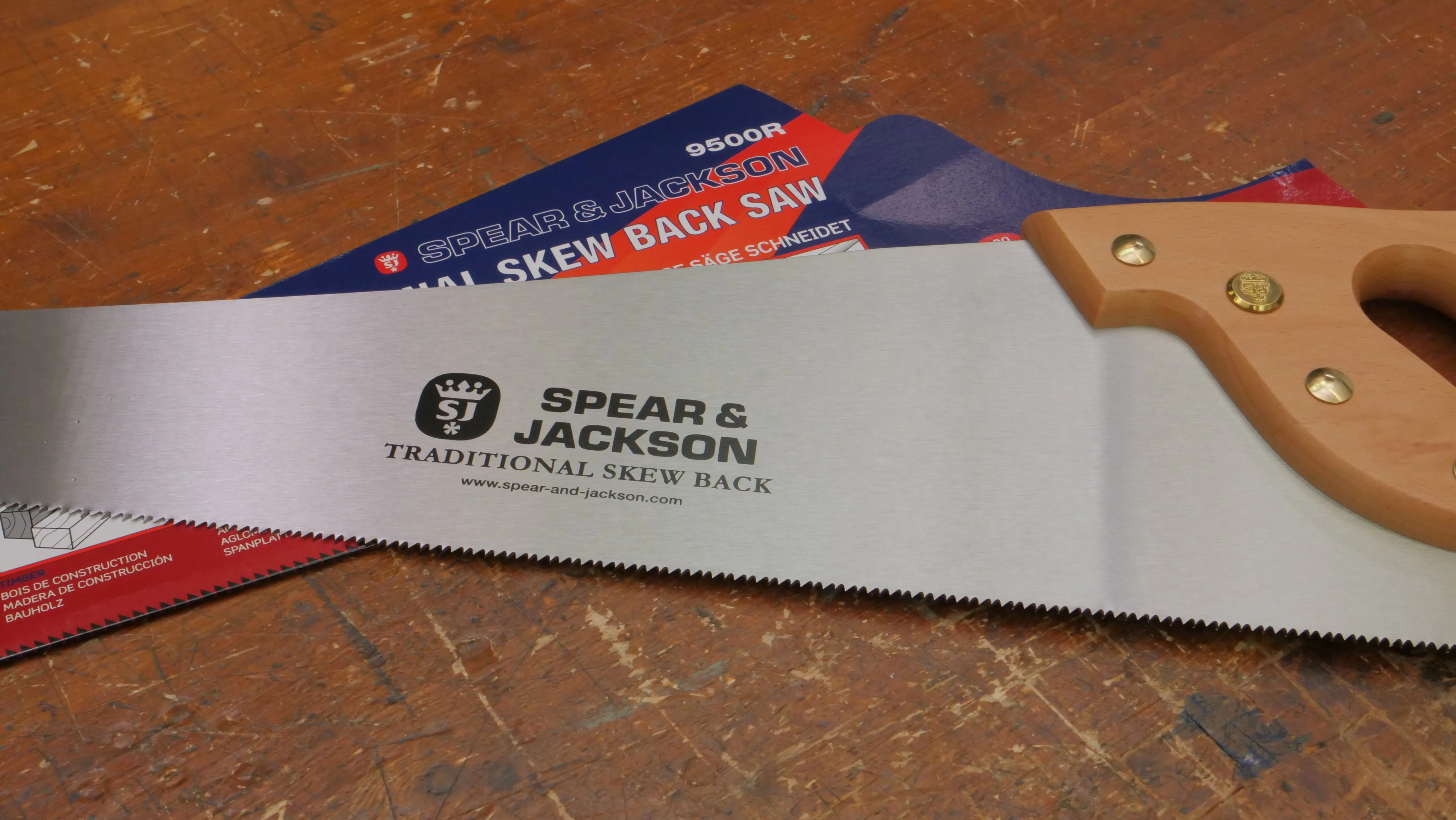
Buying Saws
Guides to buying the handsaws you need for woodworking, including tenon saws, panel saws, dovetail saws, coping saws, and more.
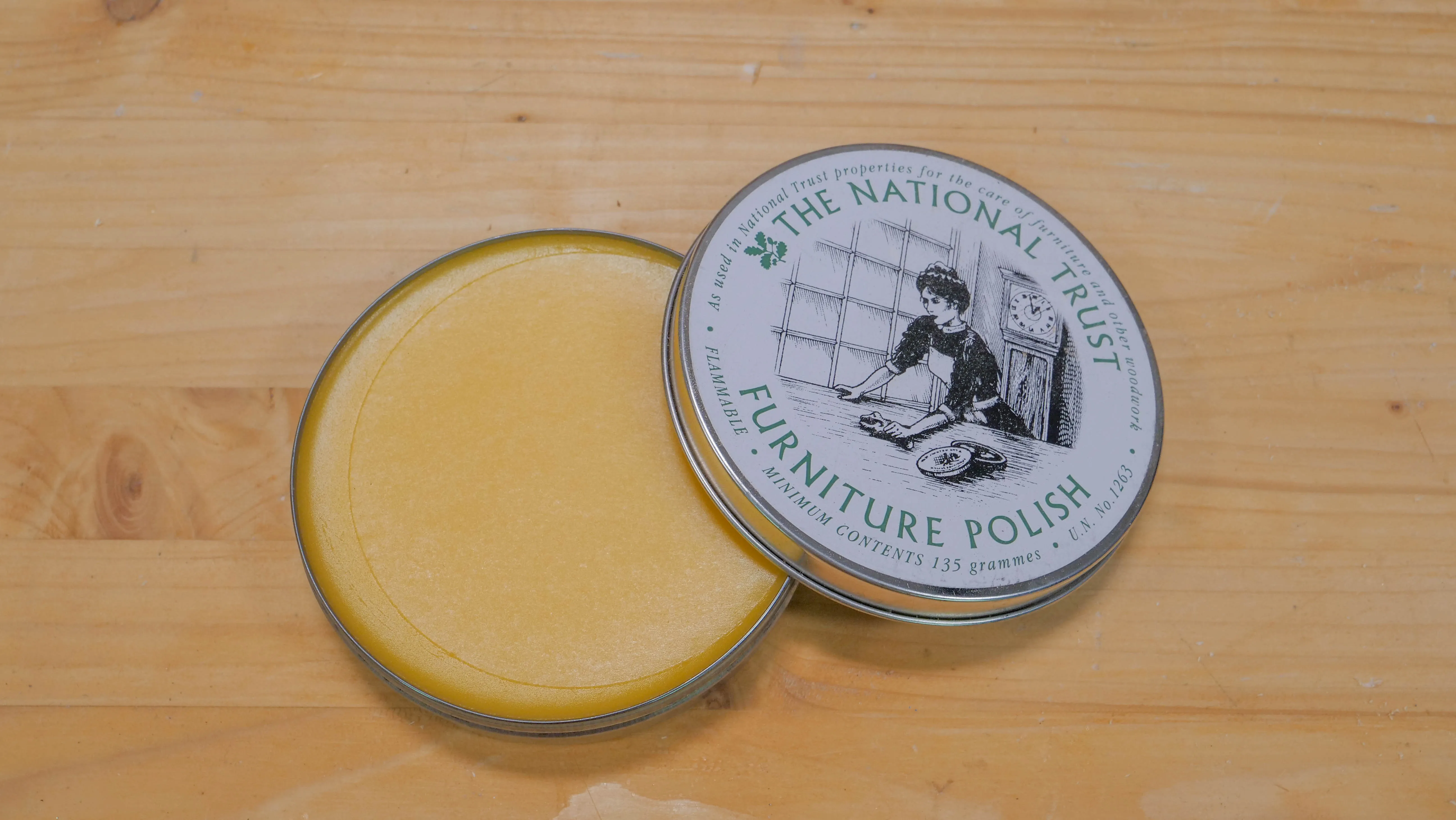
Consumables
Paul likes to avoid waxes with Toluene in as this can be harmful. Furniture wax can be applied as a frictionless polish on top of shellac.
Using Guides
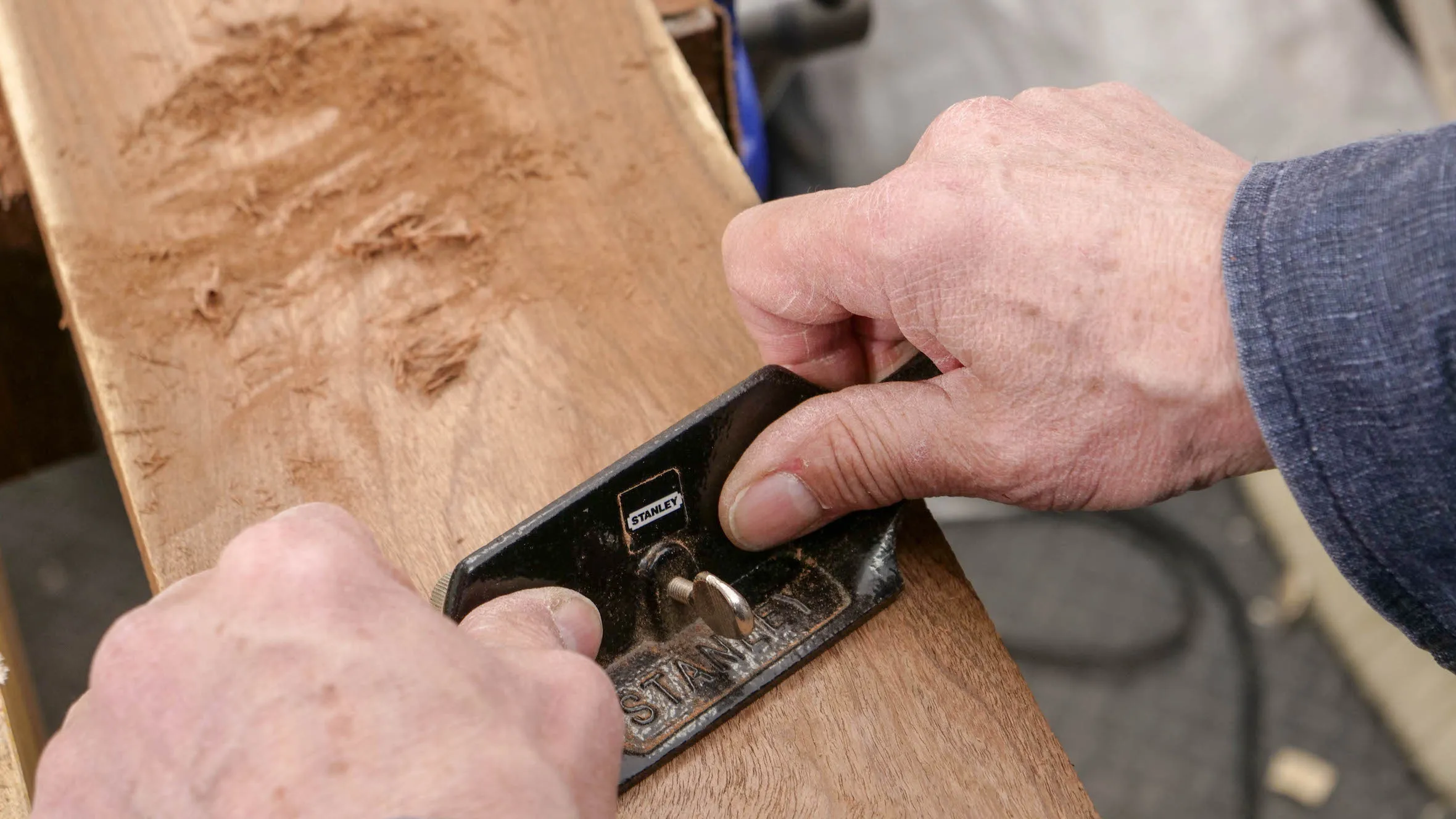
Using a #80 Scraper
When using the #80 scraper, generally known as the cabinet scraper, the first thing you should do is establish a comfortable grip. It is designed so you can hold the handles and press your thumbs i...
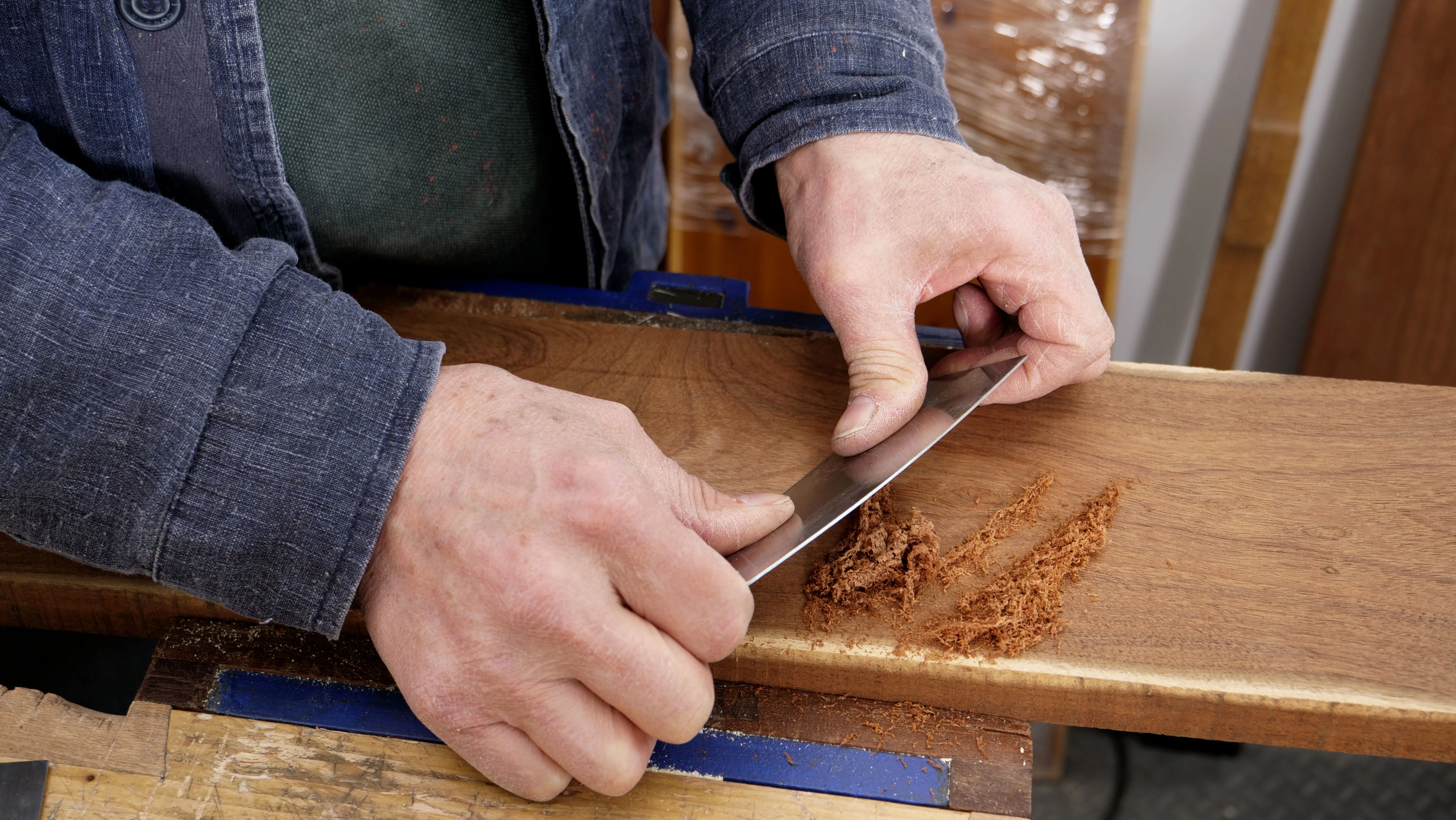
Using a Card Scraper
When using a card scraper, wrap three fingers around each side and push your thumbs into the opposite side of the scraper to bend the plate. To begin working the wood, lean the scraper forward and ...
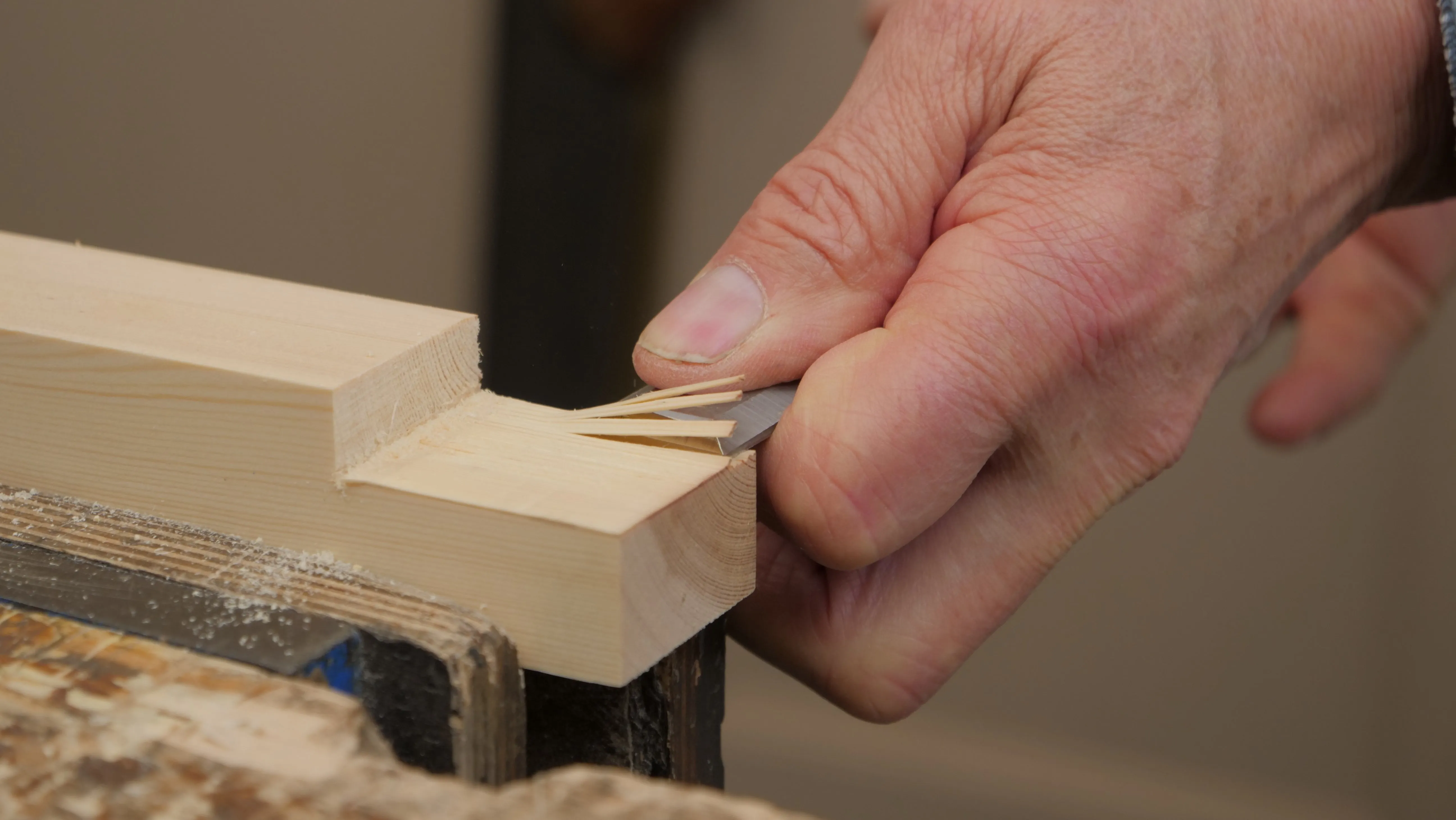
Using a Chisel
When chopping, paring or splitting, you should ensure the chisel is presented to the wood at the appropriate angle.
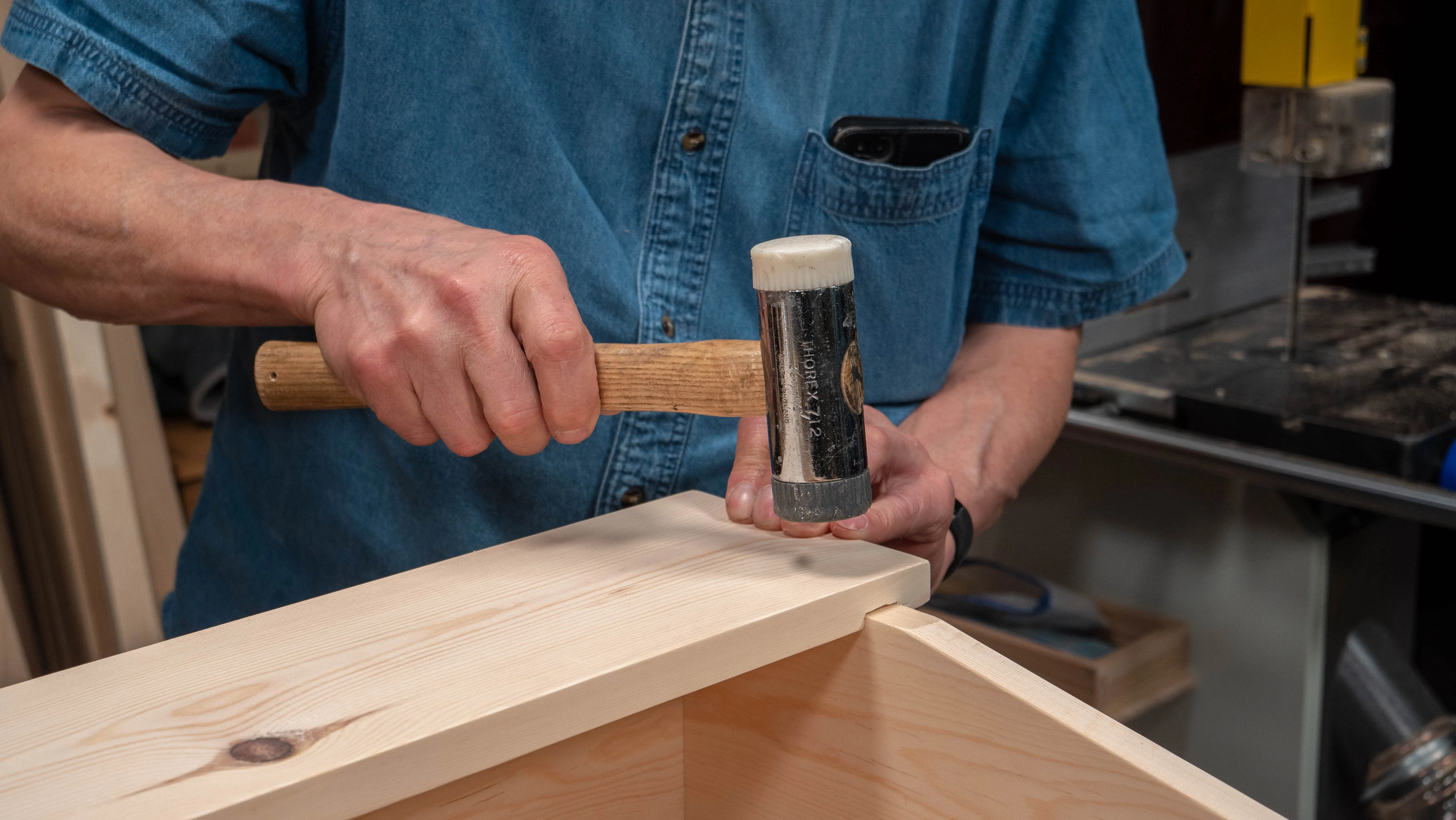
Using a Chisel Hammer
To get the most from your hammer, you need to get the weight and balance ratio right. The Centre of Percussion (COP) is the optimum point on the hammer face that allows the best transfer of energy ...
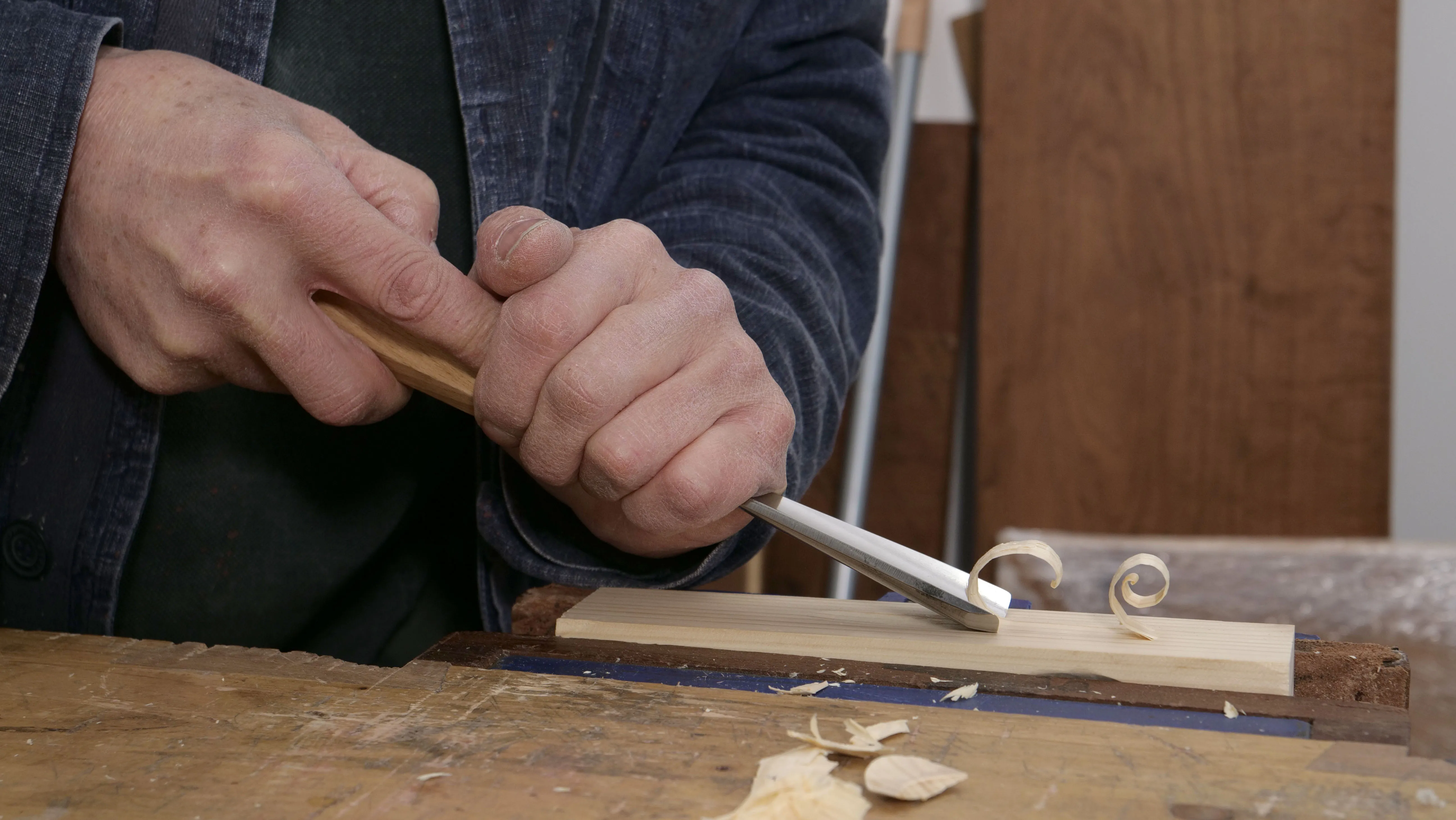
Using a Gouge
You can drive the gouge into the wood using a chisel hammer or mallet, or use hand and arm pressure only. You can use them to pare cut, depending on the gouge type. The gouge can make shallow or de...
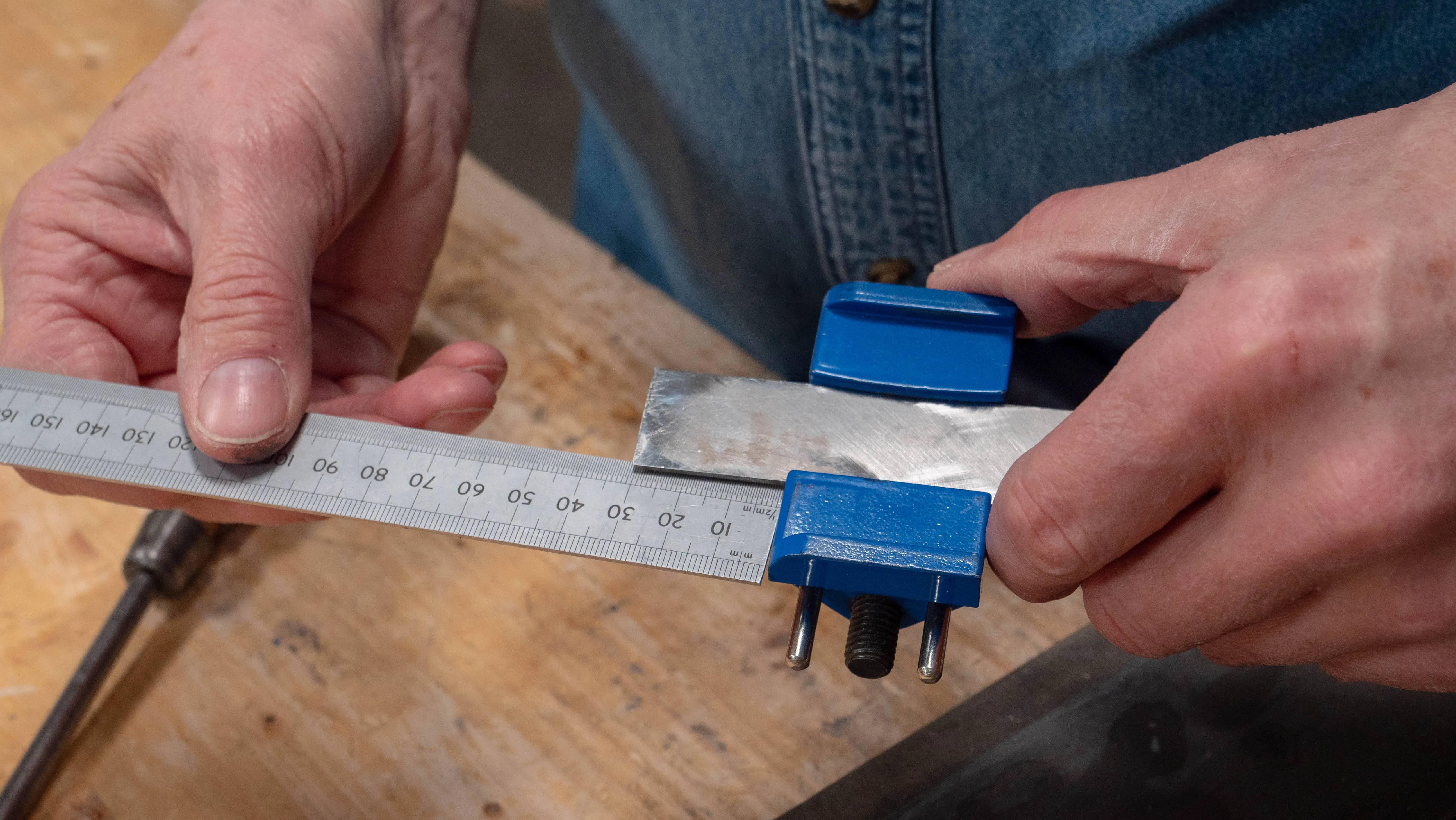
Using a Honing Guide
Paul doesn’t consider these an essential tool. However, he understands that some beginners may not feel comfortable starting with freehand sharpening. The honing guide is useful if you want to achi...
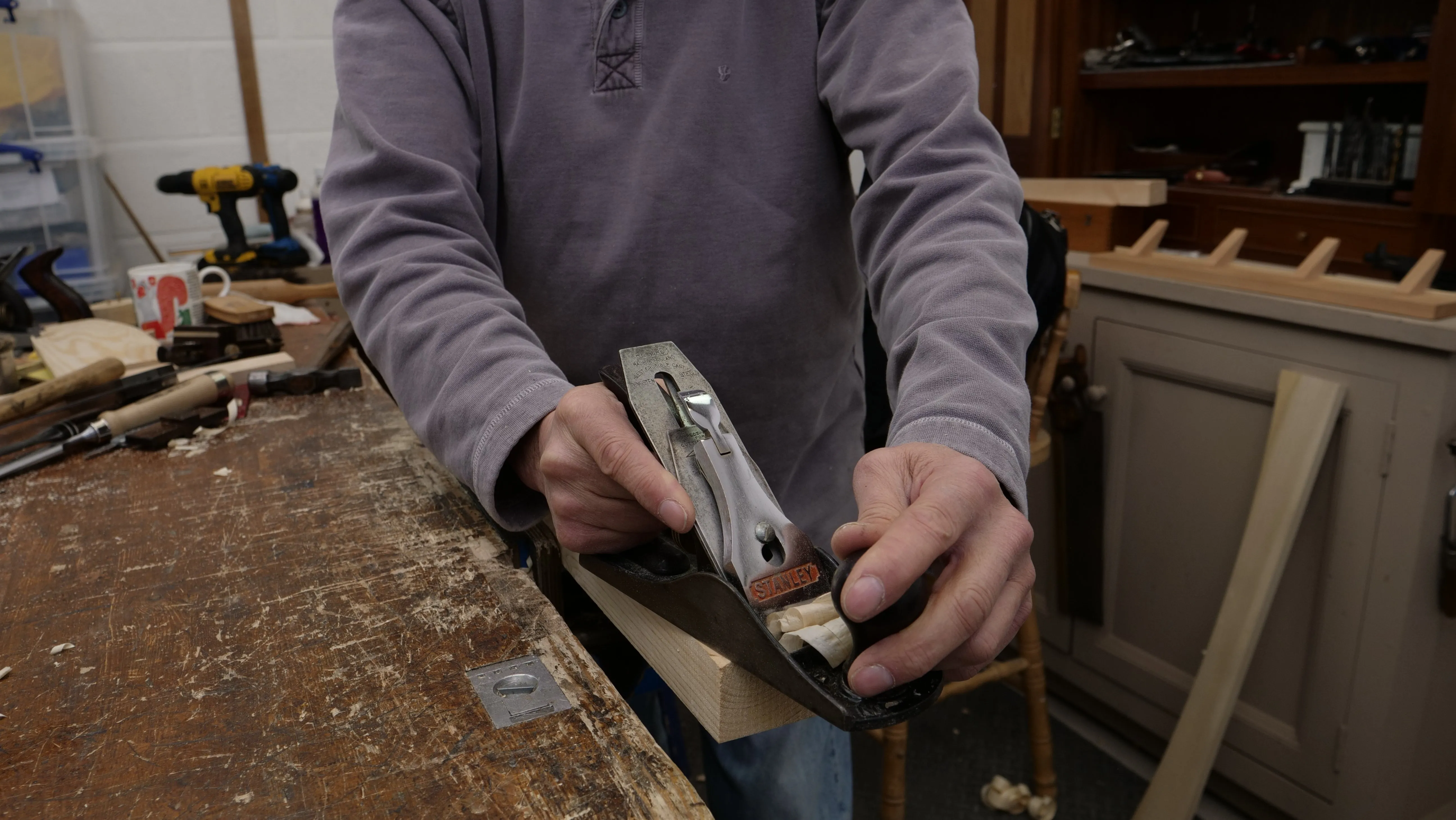
Using a Plane
Note: When the plane is in between uses, Paul recommends that you should keep it upright with the blade against the benchtop, contrary to popular opinion. This way is not considered the norm, as th...
Using a Plough Plane
When using a plough plane, the cutting iron can be set deeper than a smoothing plane as it is narrower and, therefore, requires much less effort to push into the wood.
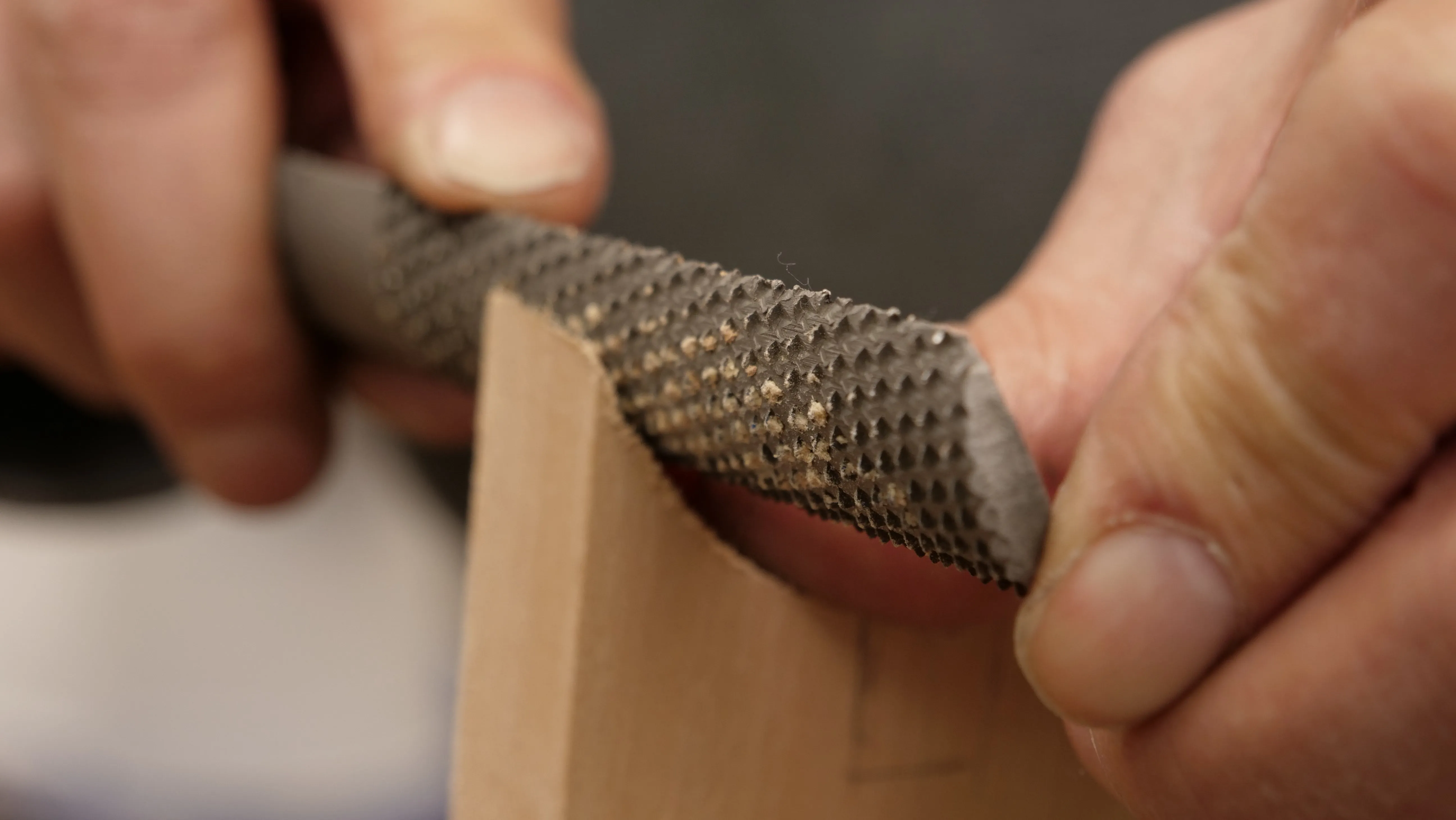
Using a Rasp and File
The file and rasp are used in a similar way to each other for different tasks, which can lead to confusion. Whereas the file is used on both wood and metal, rasps are used mainly on wood and stone,...
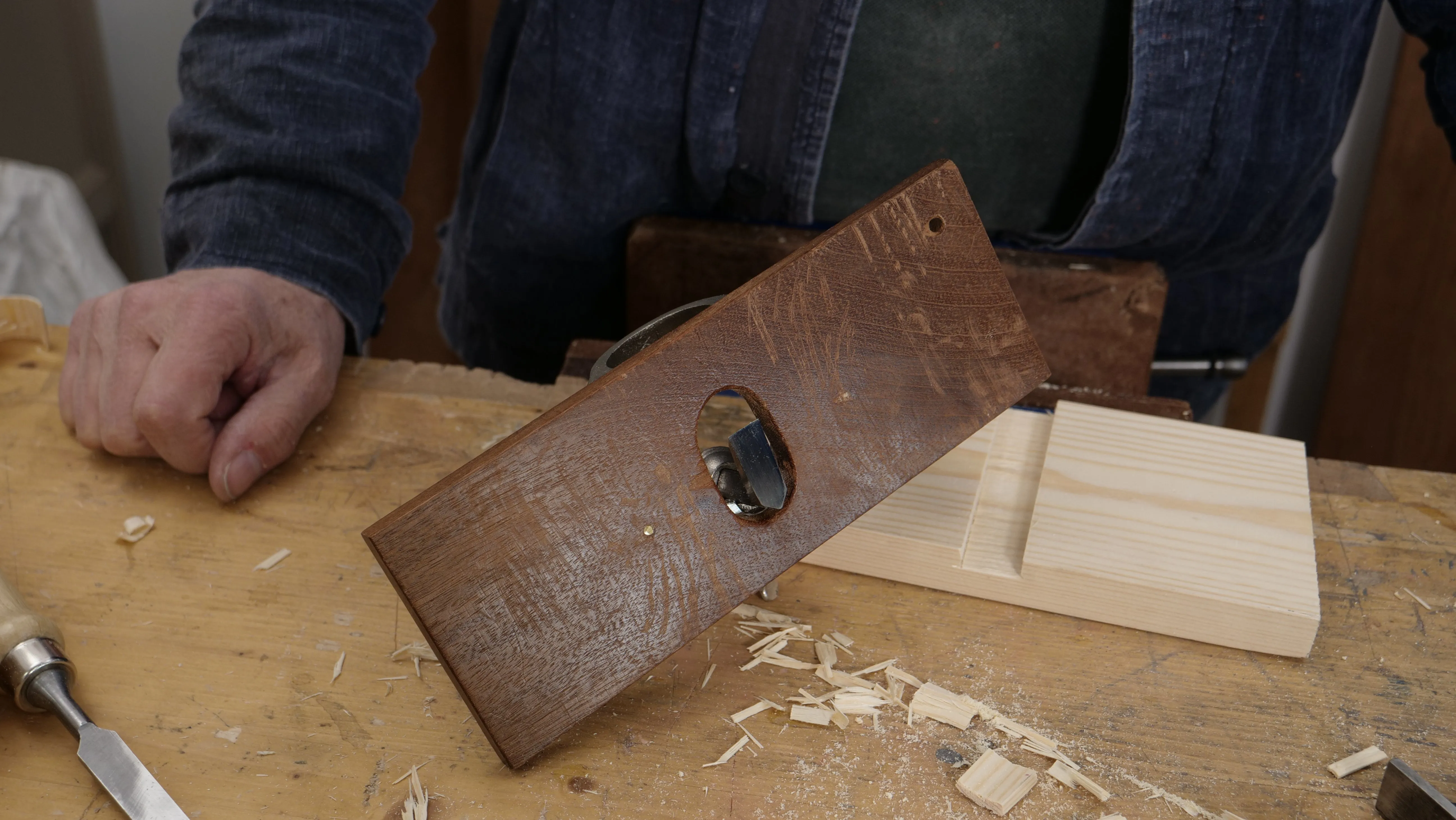
Using a Router Plane
In order to provide an affordable option, without compromising on utility and effectiveness, Paul has come up with his own Router Plane Kit. You can learn more about the kit, and the router plane t...
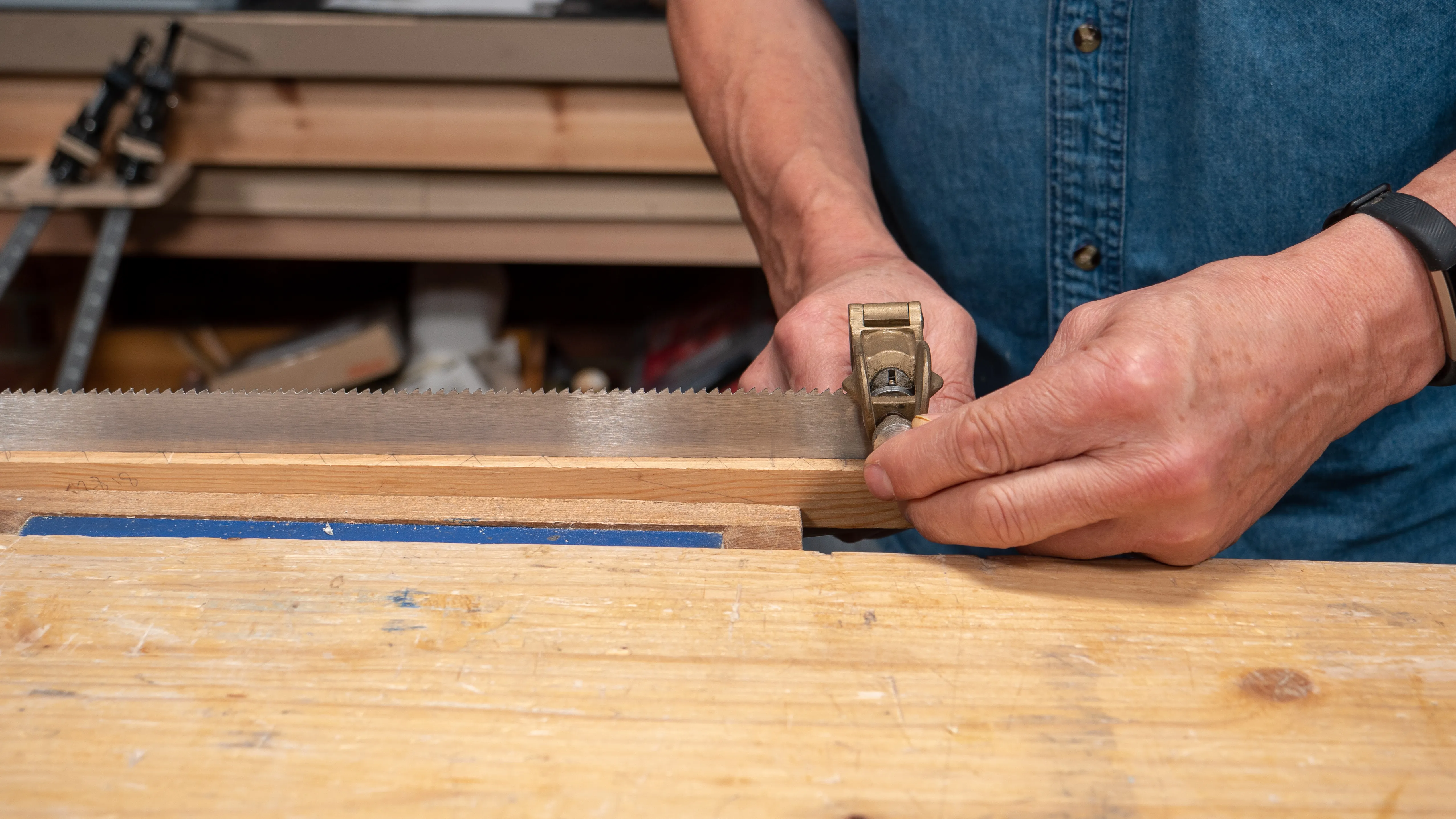
Using a Sawset
When using a sawset, start at one end of the saw and work your way down, setting each alternate tooth. Make sure you don’t lose track of your pattern (ripcut/crosscut) and end up setting the teeth ...
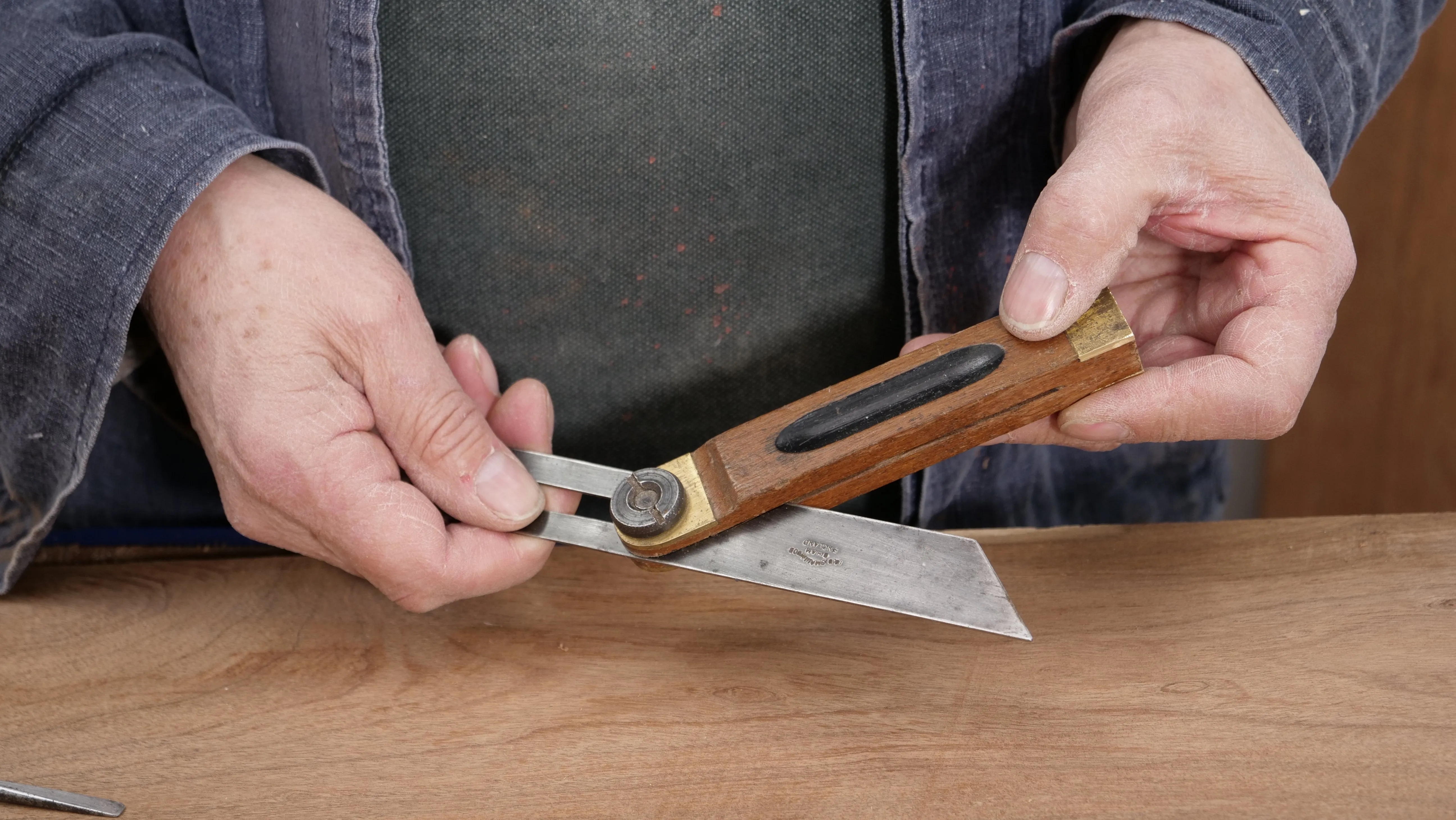
Using a Sliding Bevel
The sliding bevel is used to mark or check any angle. By sliding the beam from inside the stock you can adjust both components to set the desired angle.
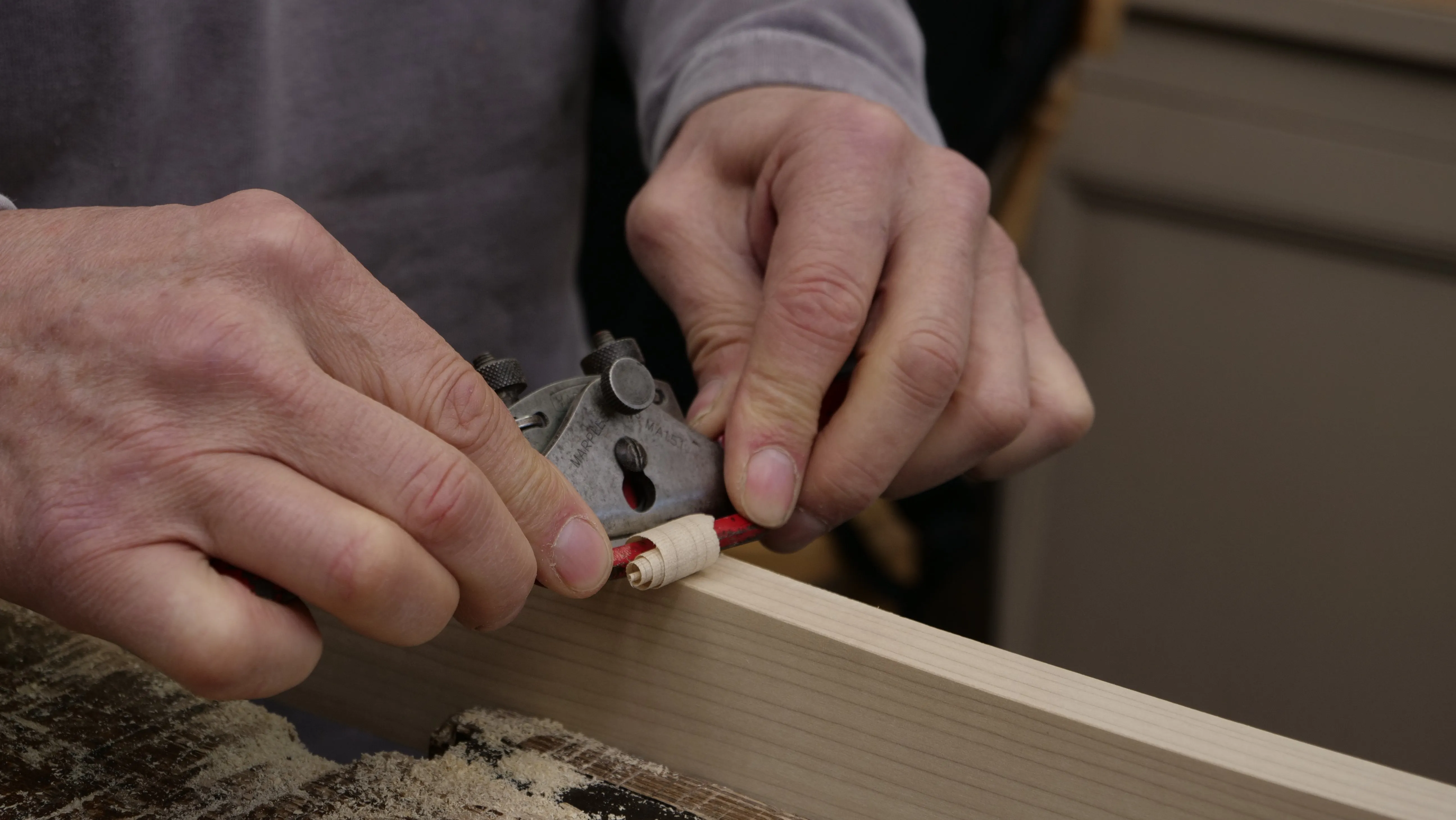
Using a Spokeshave
You adjust the blade of the spokeshave to a shallow setting to produce thin shavings and adjust it to a heavier set to take thicker ones. The joy of using the spokeshave is its variable positioning...
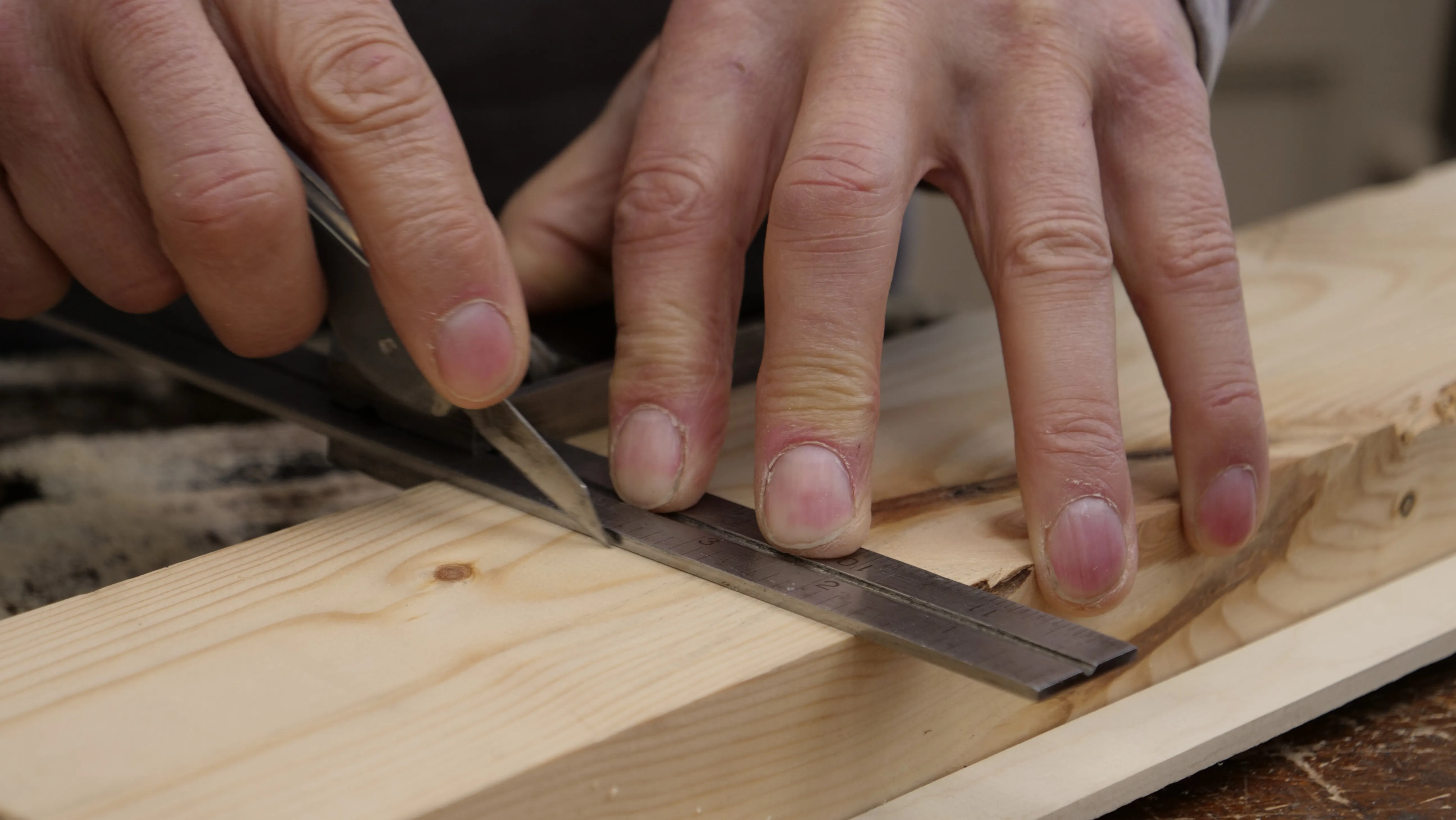
Using a Combination Square
Once you are confident your square is set up, you align the head (stock) against the straight edge of the wood and use a pencil or a woodworker’s knife to mark the 45/90° angle.
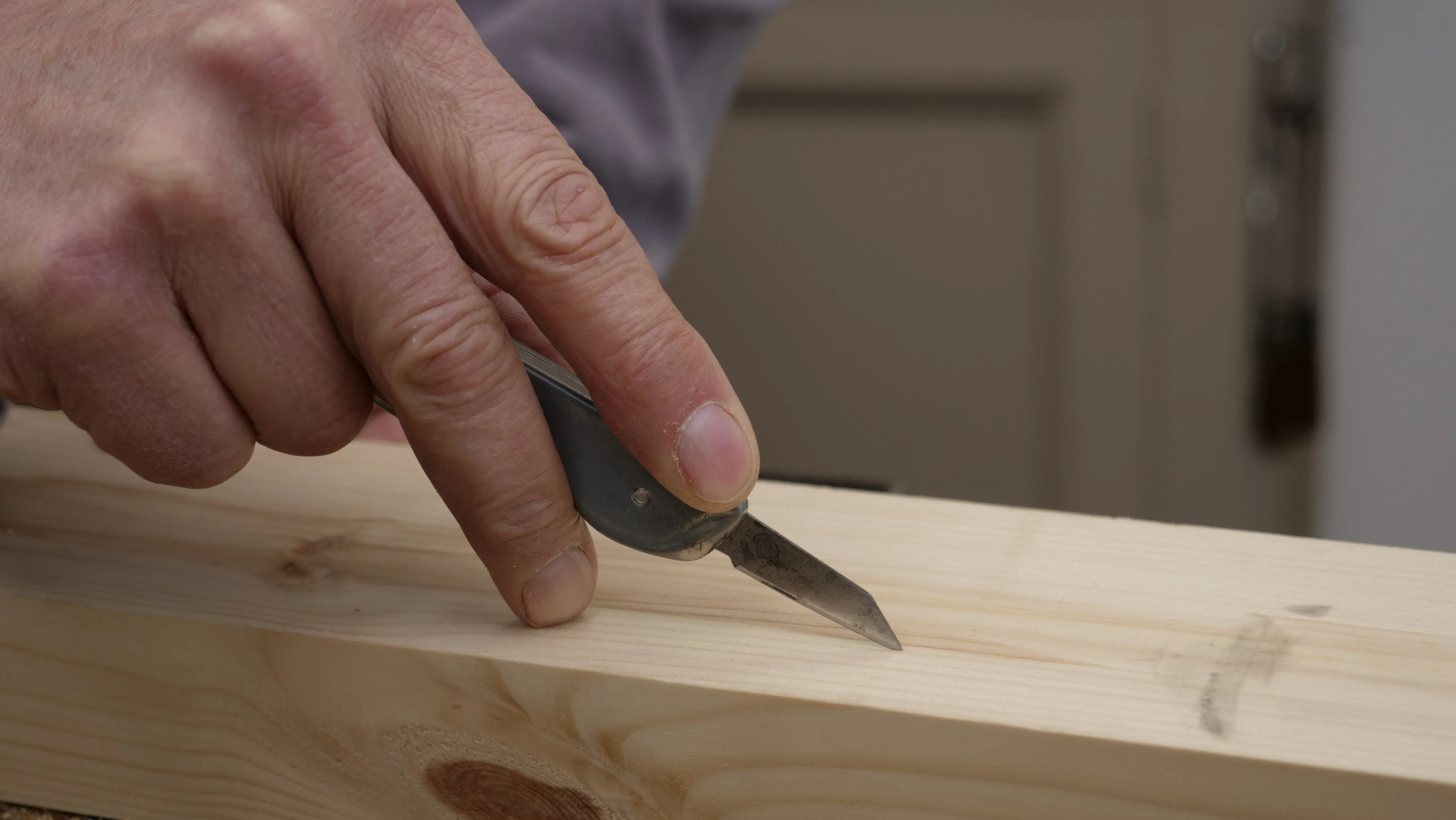
Using a Woodworker's Knife
You hold the knife by gripping around the handle. Rest your thumb on the side and use your index finger to apply pressure to the top of the handle. This will allow you to vary the pressure and, the...
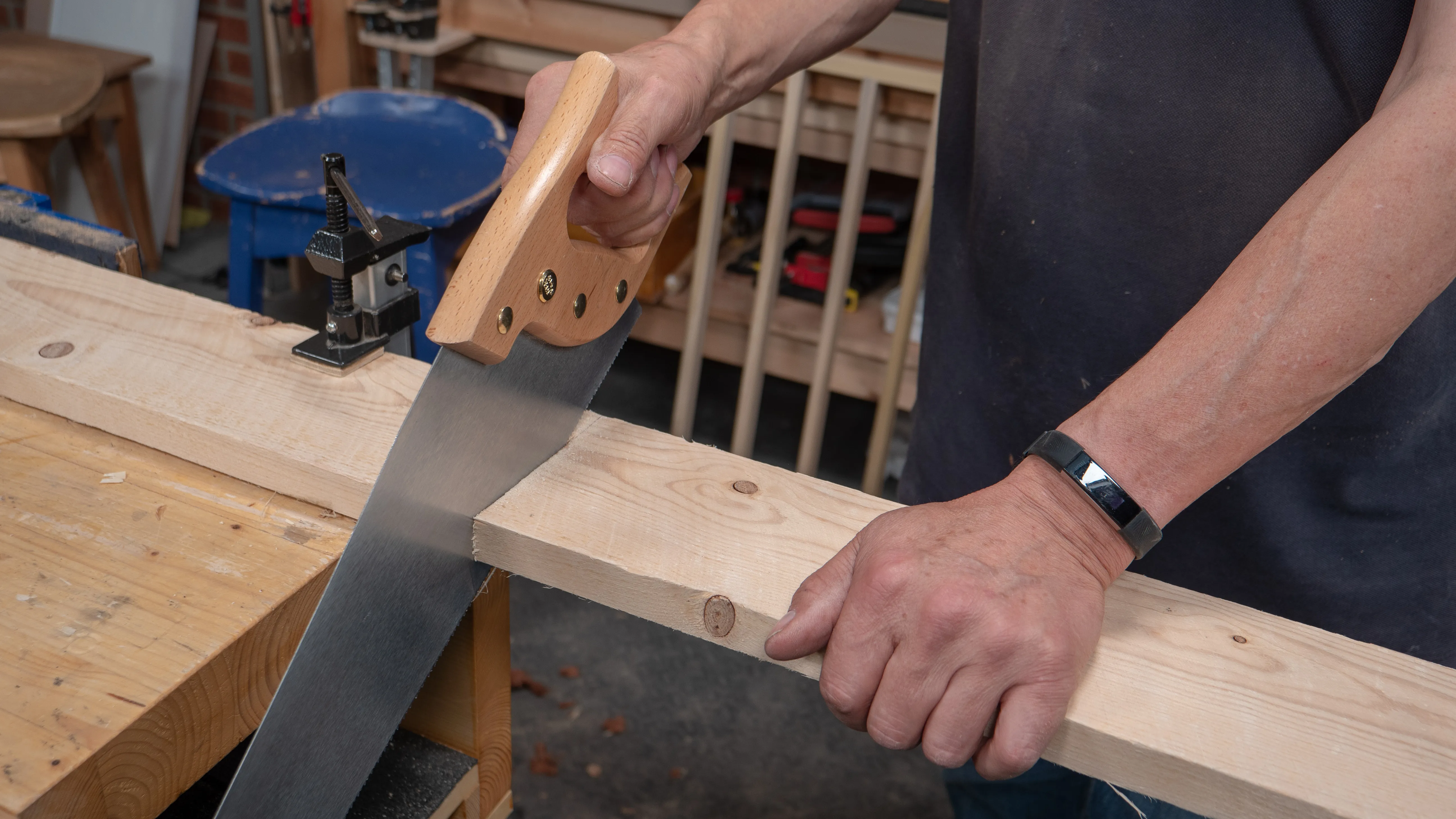
Using Saws
The Western saws we use don’t cut on the pull-stroke, so you are cutting on the push-stroke and only using the pull-stroke to retrieve the saw ready for the next stroke.
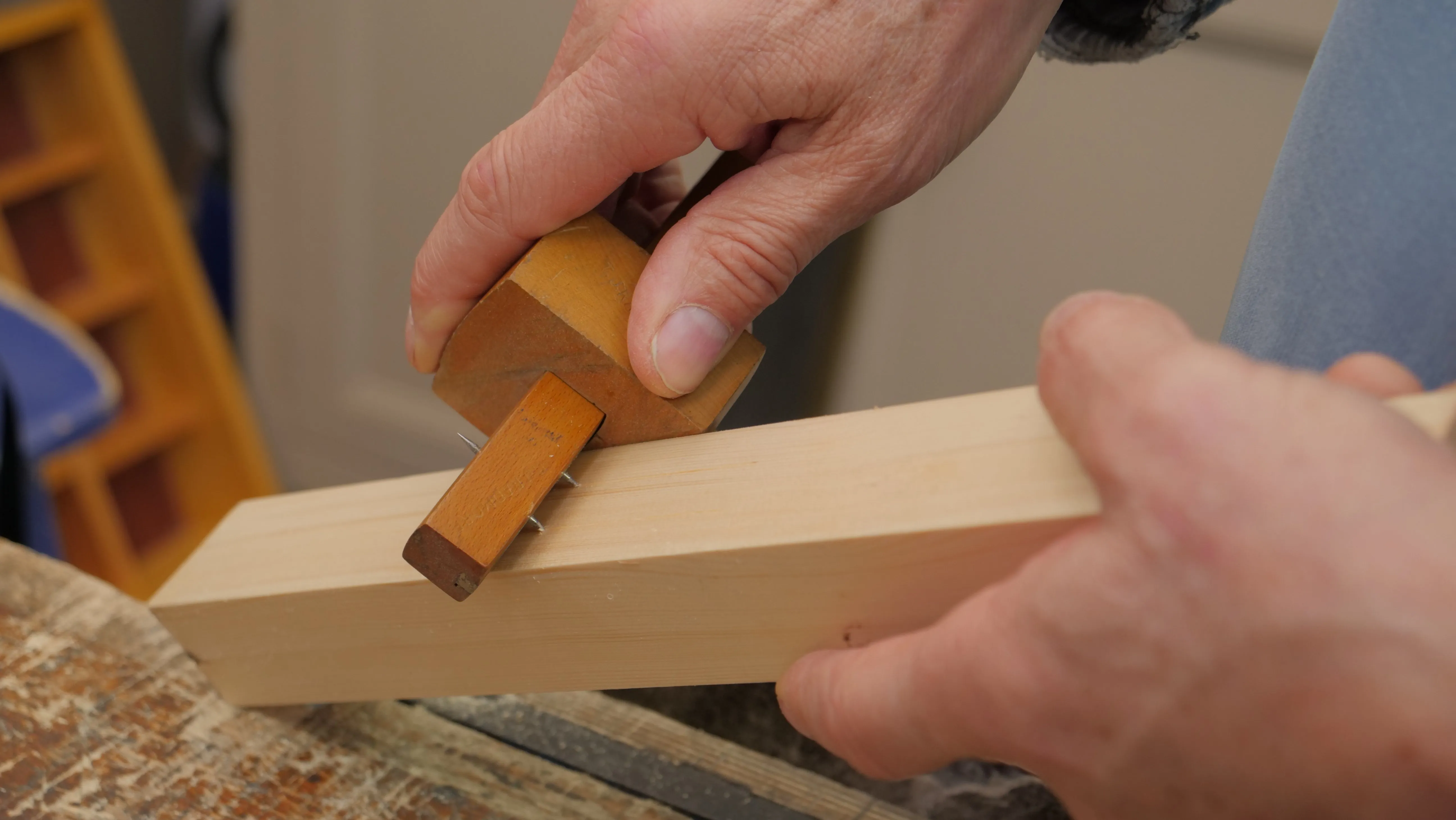
Using a Combination Gauge
To see a video on using the gauge, click here.
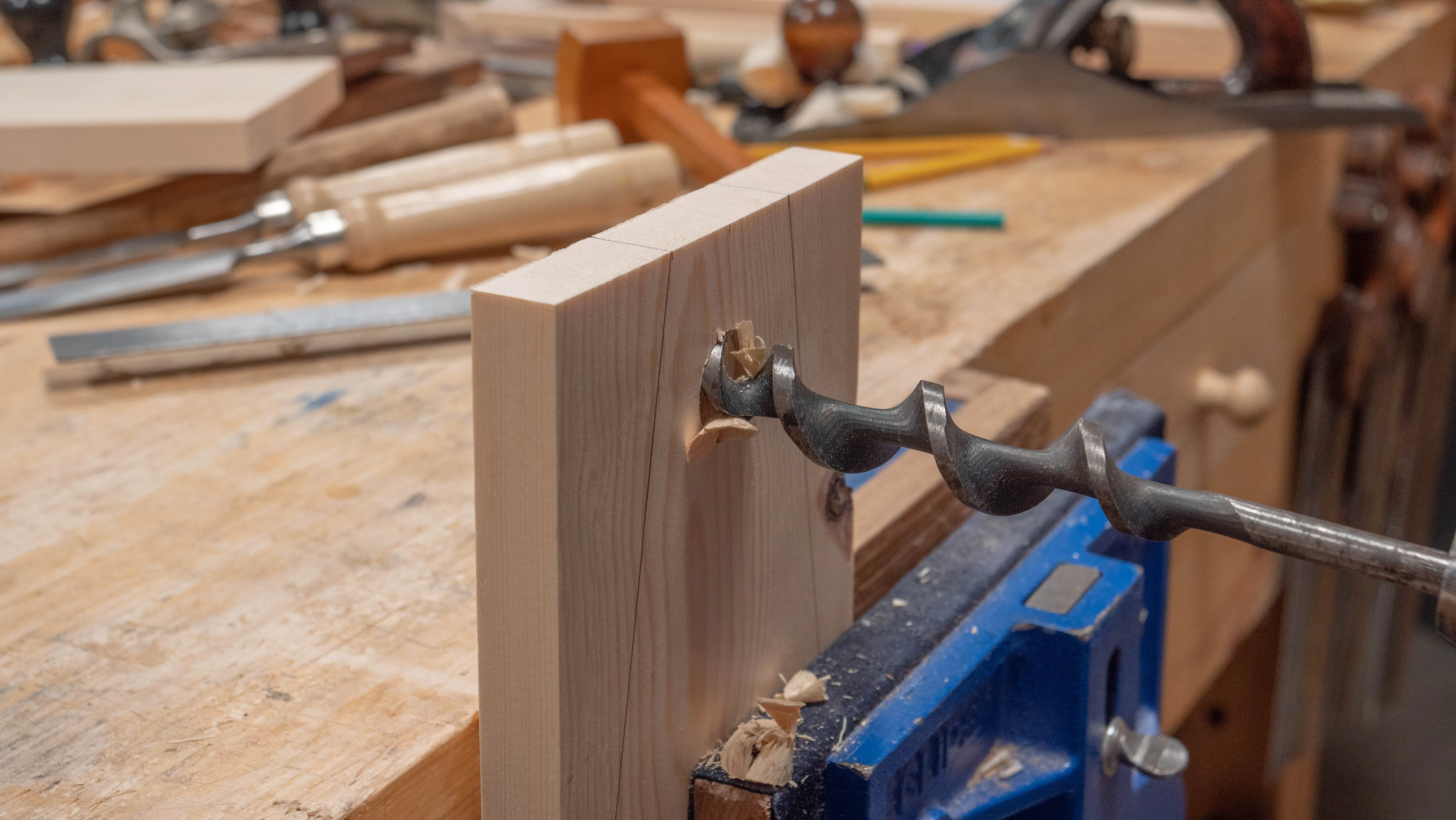
Using a Swing Brace
To use a brace, rotate the centre grip and combine hand and arm pressure to push the bit into the wood. The bit has a spiral point that assists to pull it into the wood with each rotation you make....
Sharpening & Setup Guides
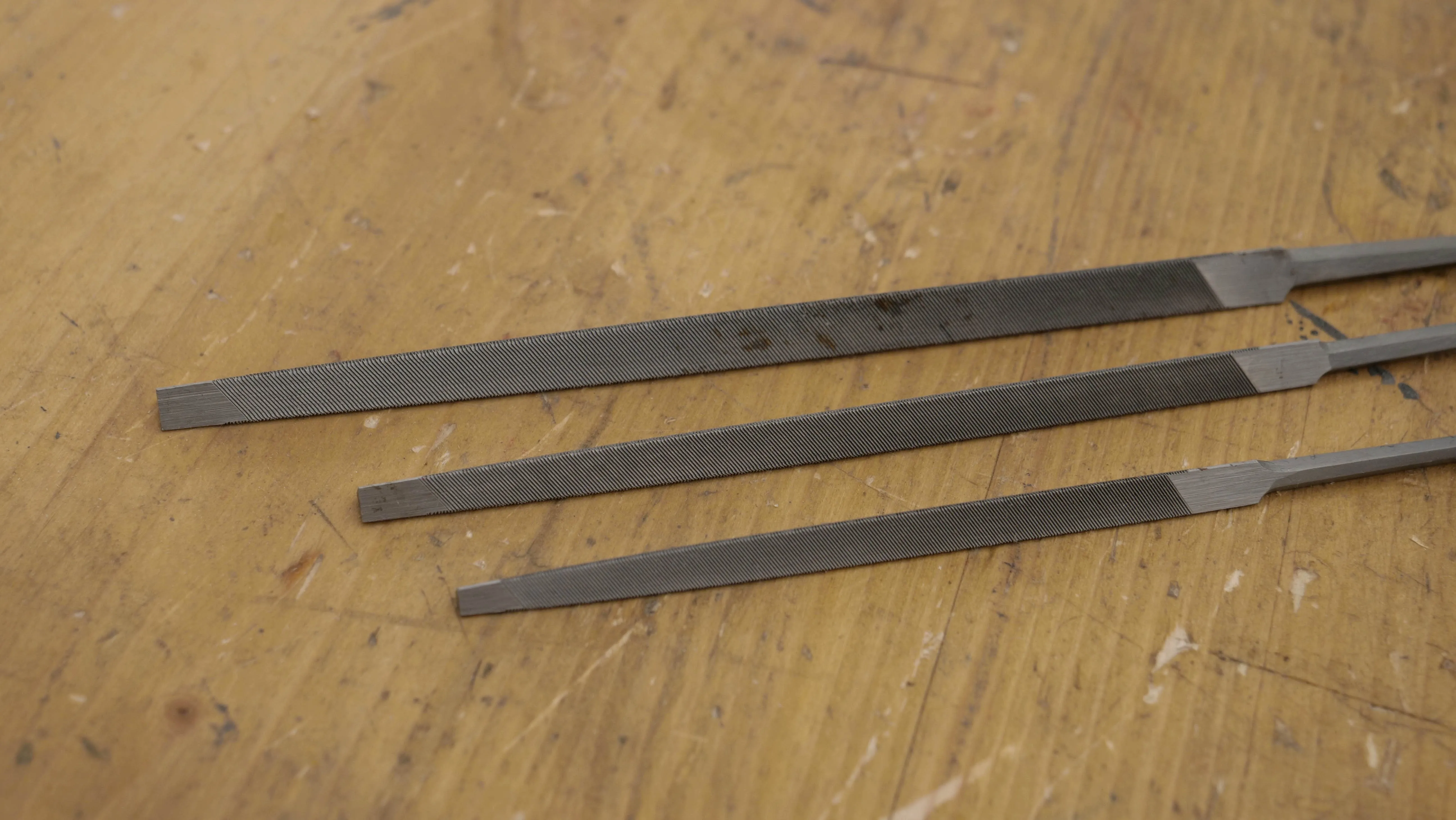
Saw Files
Saw files can also be known as triangular files or three-square files. They often have single cut teeth across the full width of each facet of the file and can come in many different variations inc...
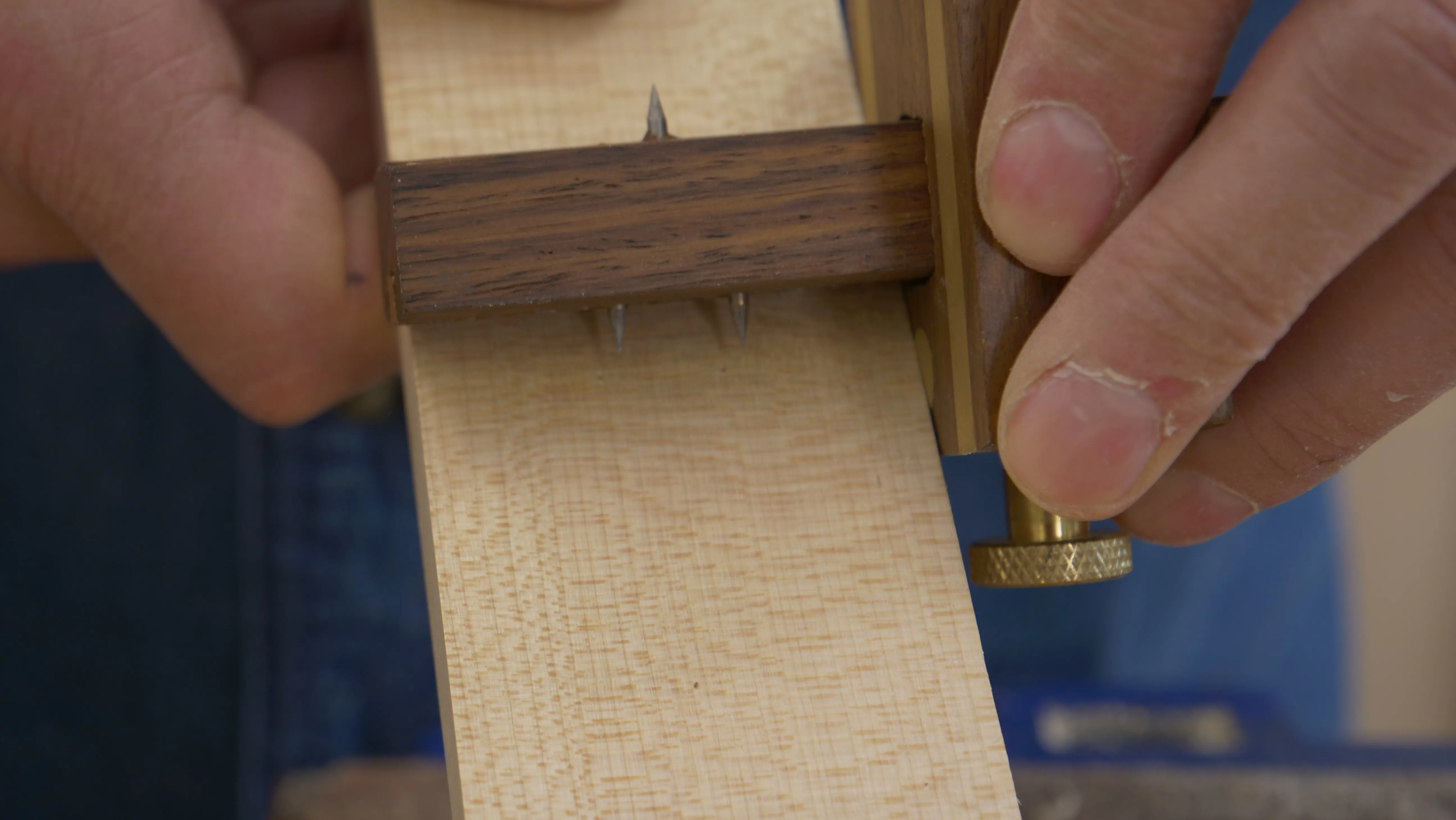
Setting Up and Sharpening a Combination Gauge
To see a video on centring the gauge, click here.
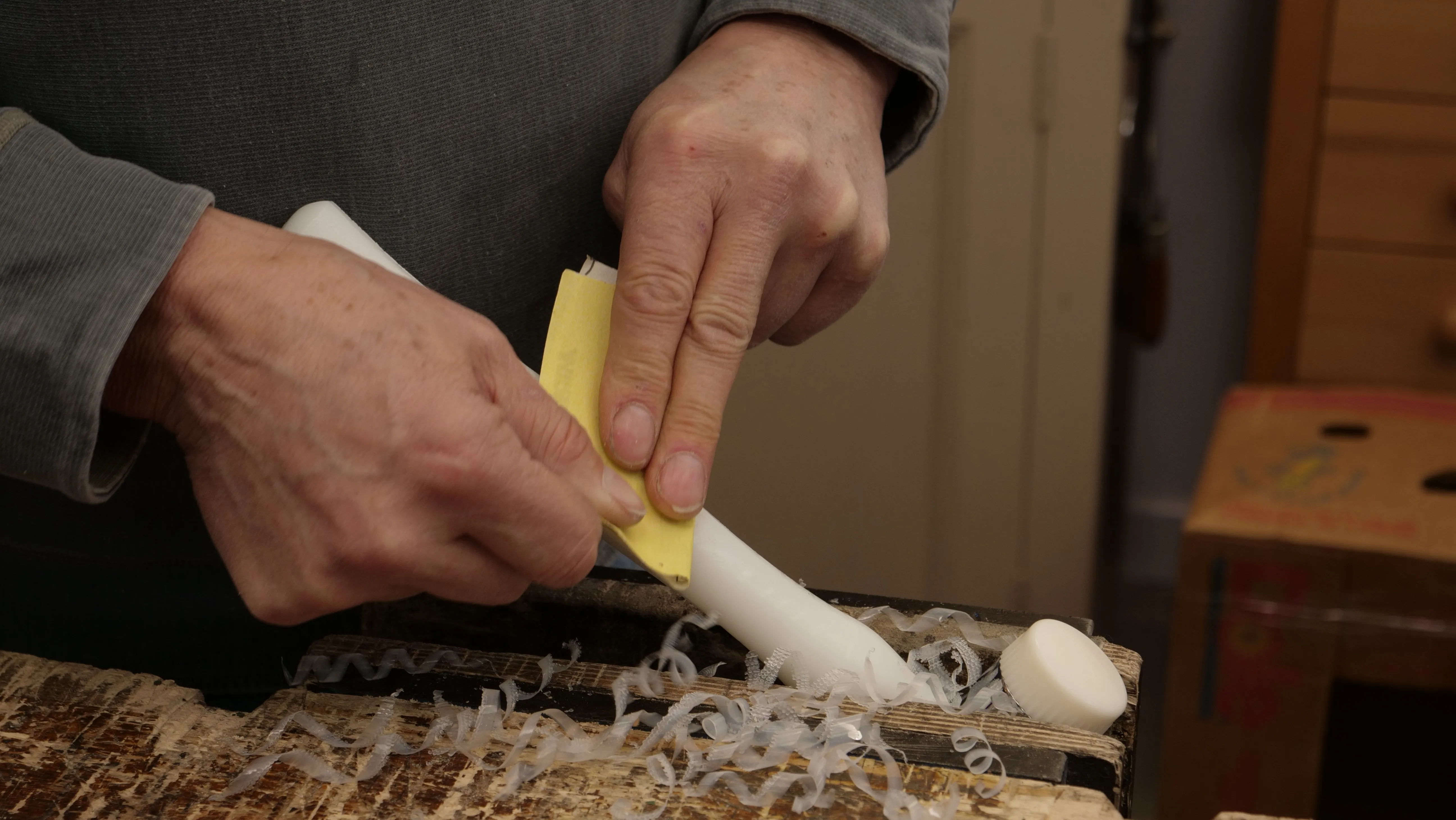
Setting Up a Hammer
Note: This guide is on both chisel hammers and warrington hammers.
Setting Up Rasps and Files
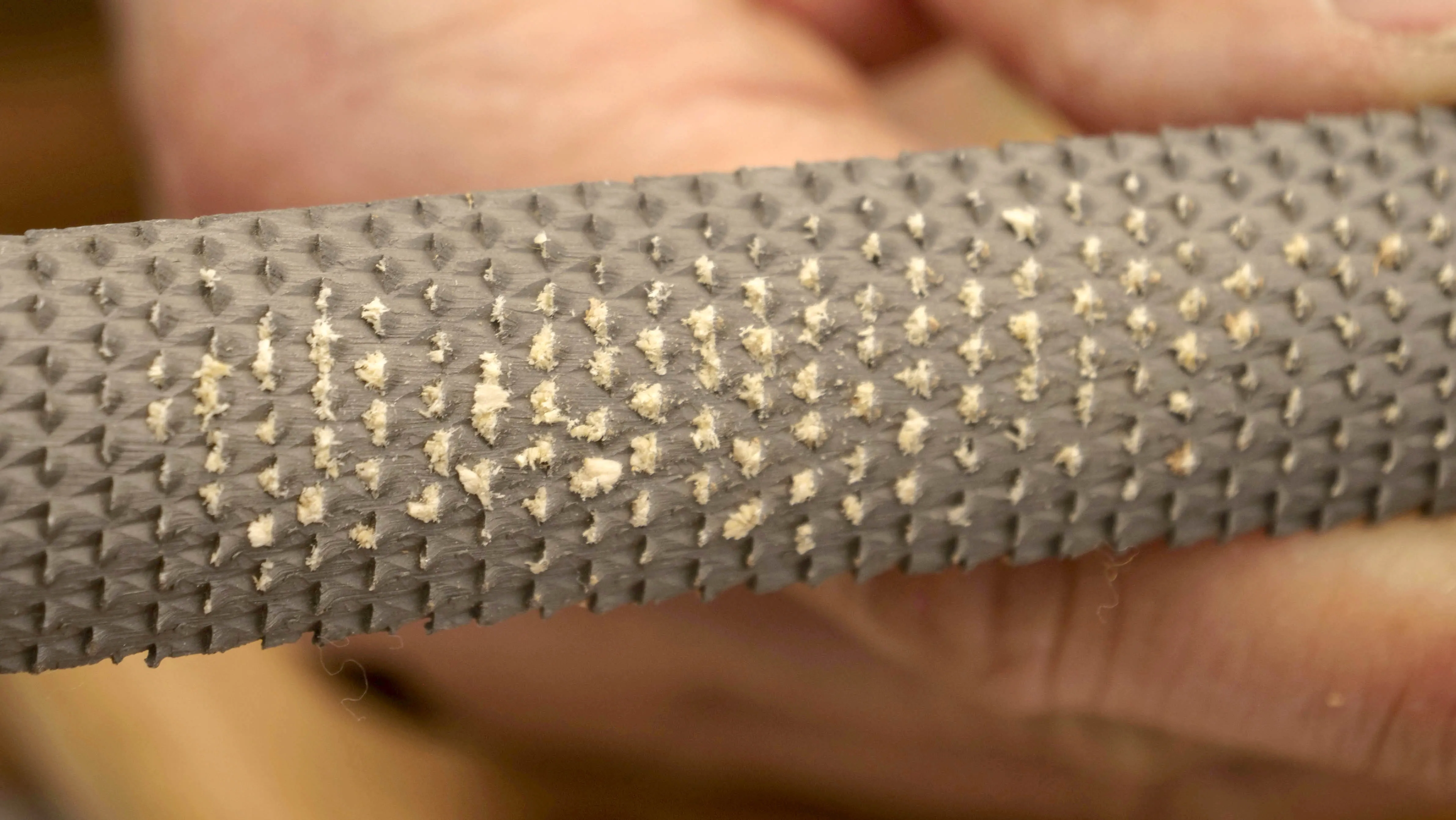
A rasp and file cannot generally be sharpened and do not need setting up. However, you can prolong their life by taking good care of them. Most of the time the sawdust which builds up in between th...
Setting Up a Sliding Bevel
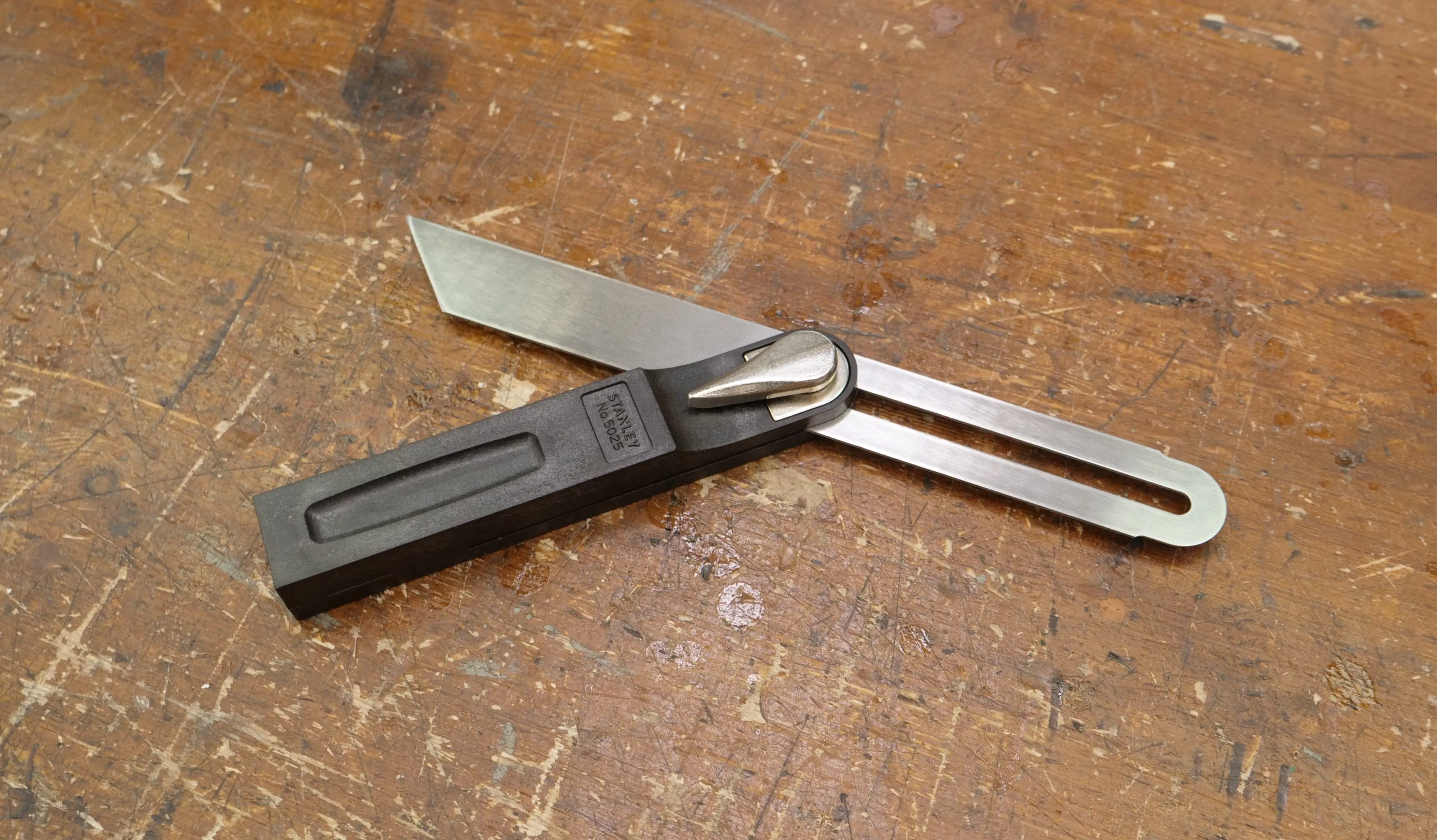
Some sliding bevels have a rounded loop at the end of the beam. Where the straight edges join the rounded edge there is often a pointed edge, which can sometimes get in the way of marking out. Paul...
Setting Up a Square
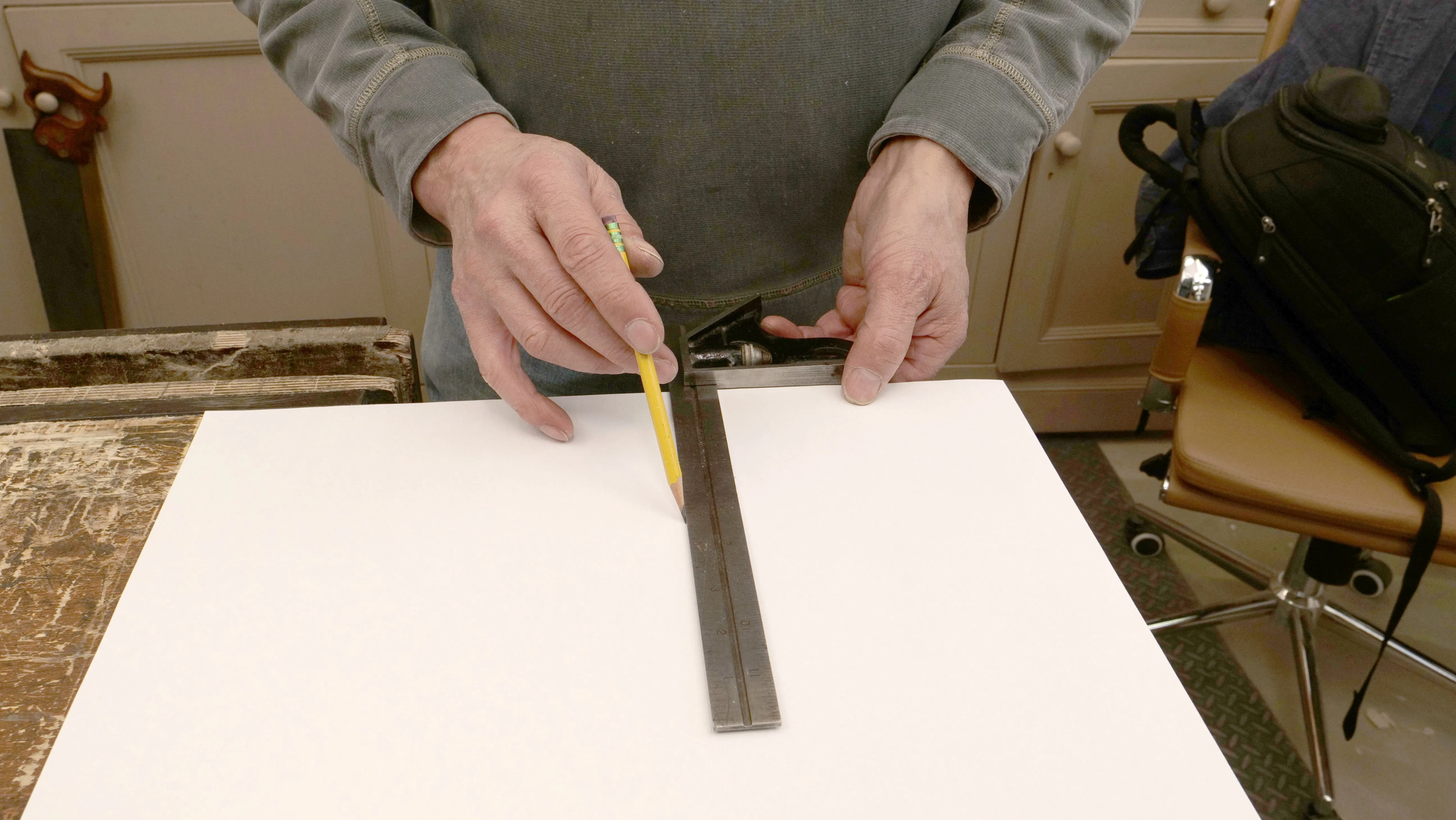
To check if your square is accurate, you can use a piece of paper or card stock as, due to their manufacturing techniques, they are very accurately square. Put your square on the long side of the p...
Setting Up and Sharpening a Woodworker's Knife
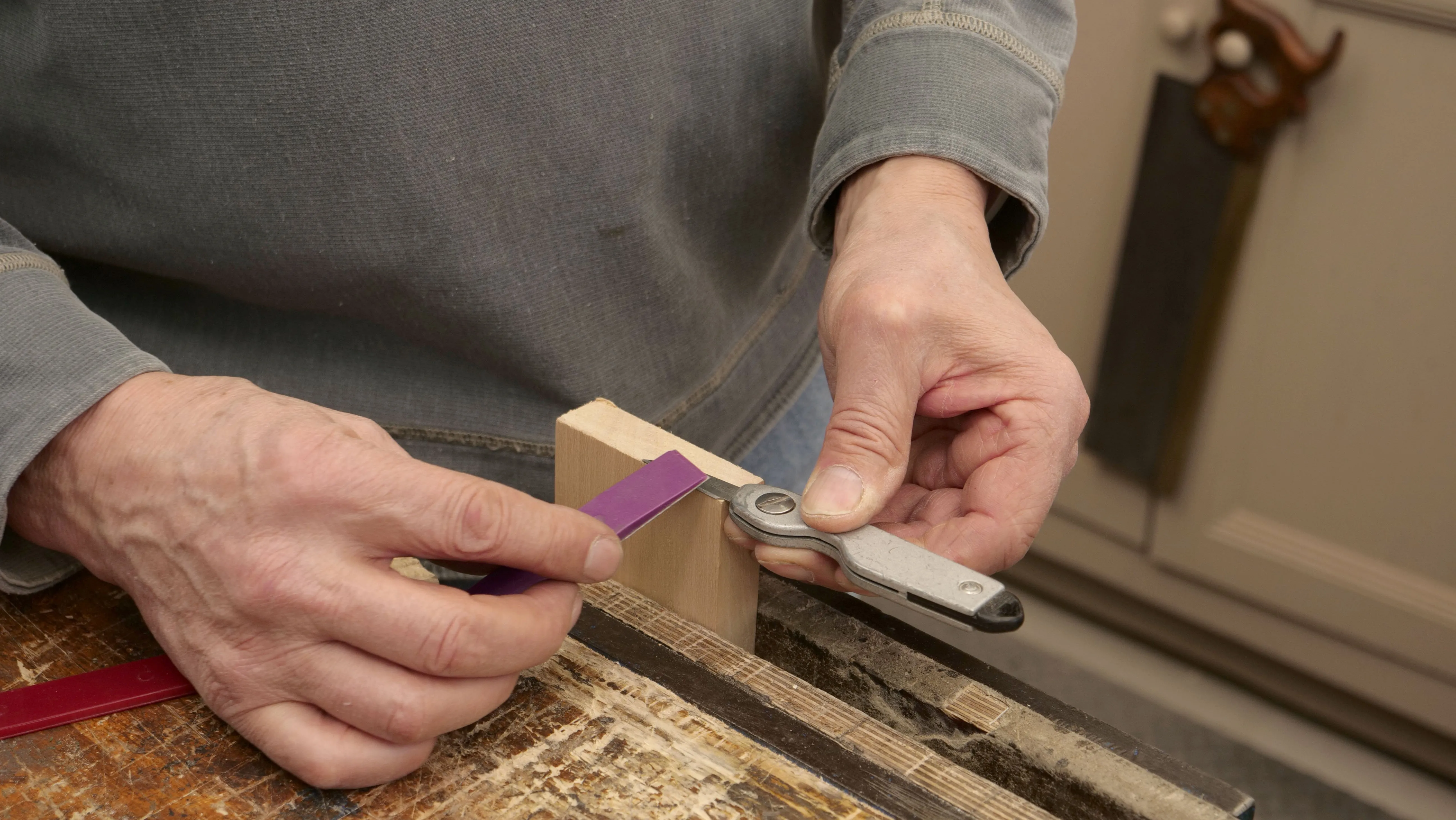
Note: Be careful when sharpening as the tools will become very sharp. Always face the blade away from you when sharpening.
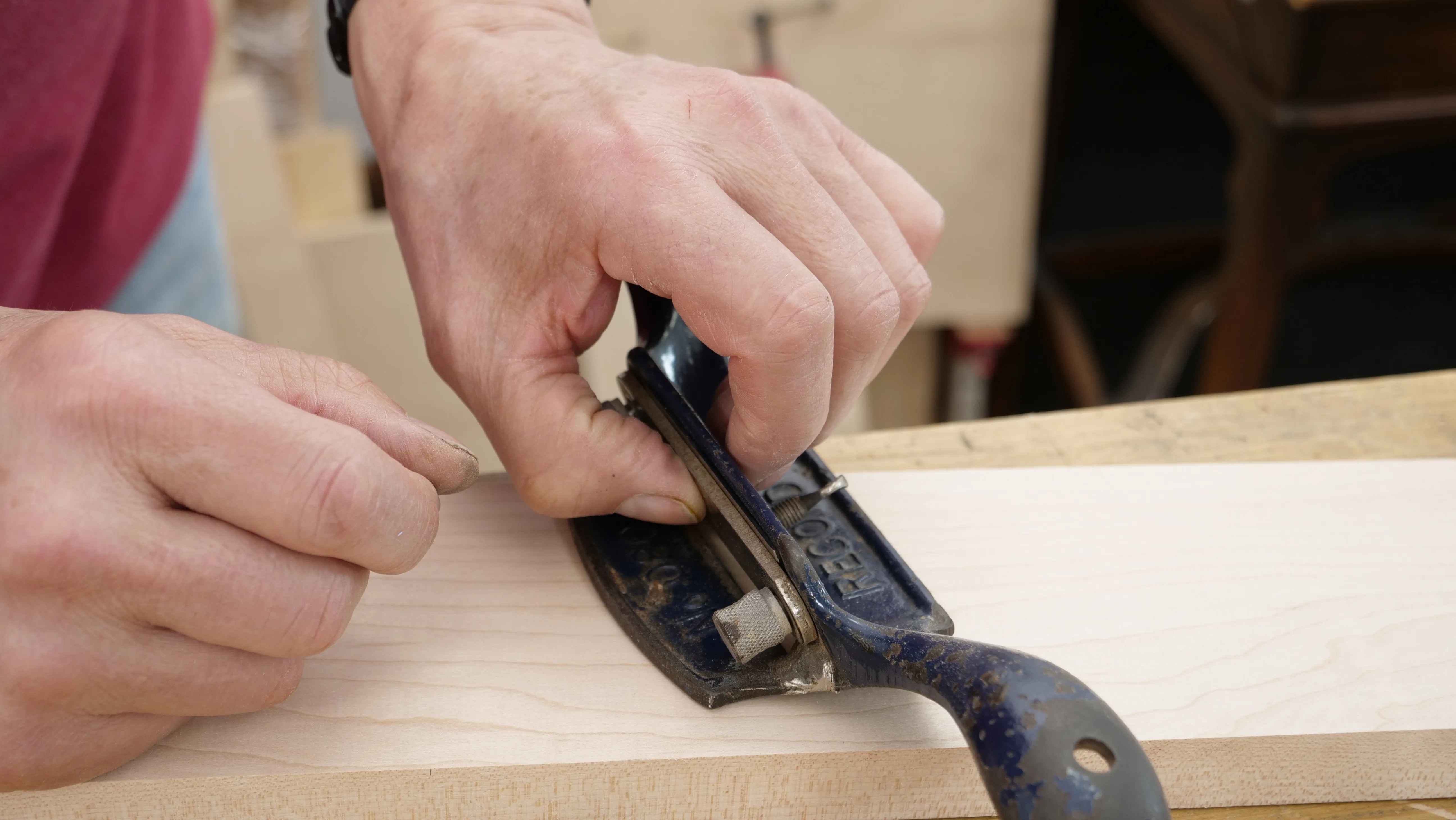
Setting Up and Sharpening a #80 Scraper
Whilst working on a flat surface, turn the adjusters to loosen the retaining bar and load the blade into the holder. The 45 degree angle should be facing the back. Pinch the bar and blade against t...
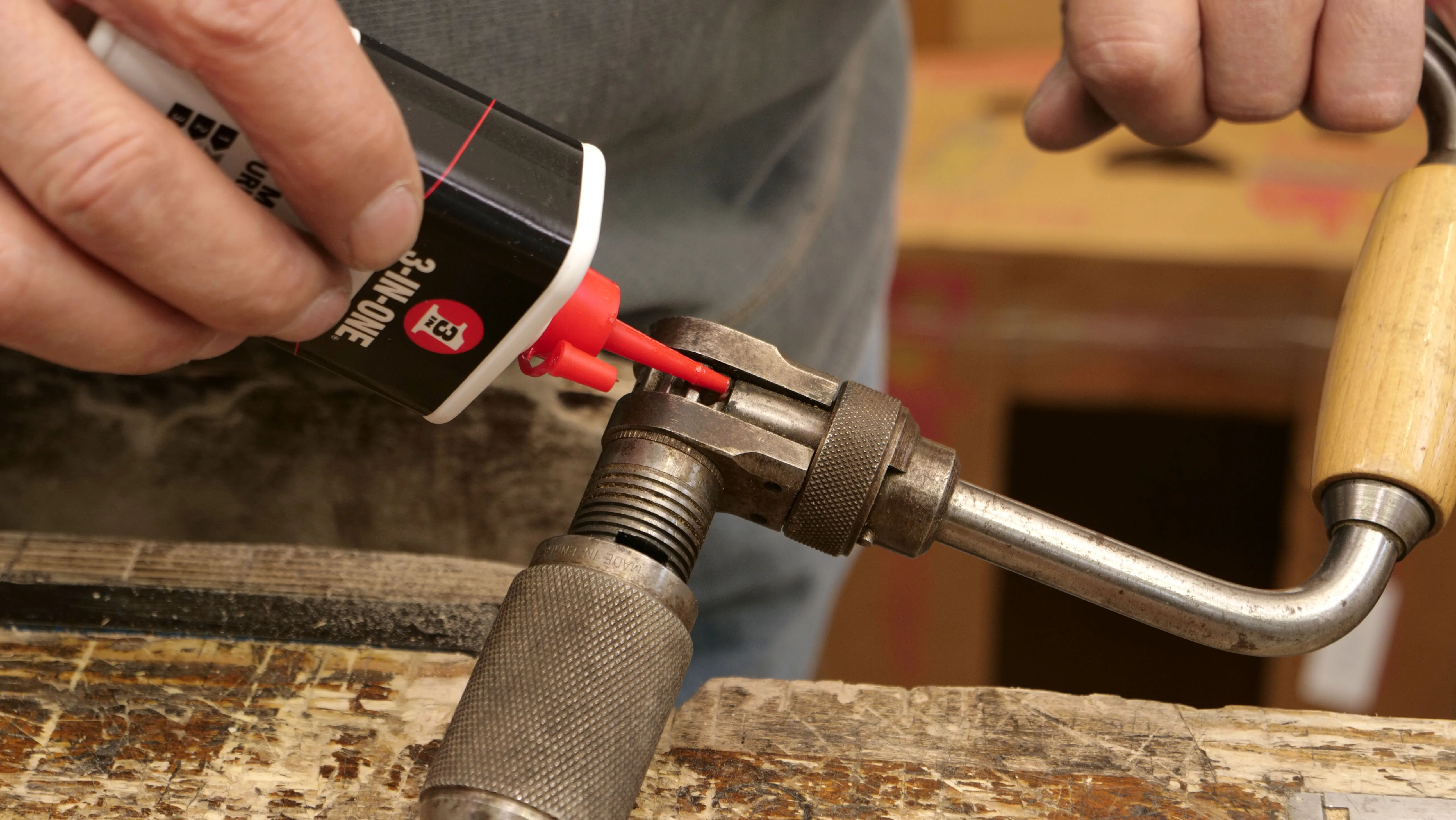
Setting up and Sharpening a Swing Brace and Bit
If you have purchased your brace secondhand, ensure all the parts move freely without friction. If not, you can oil these parts to ease up the friction. There is usually an oil hole where the neck ...
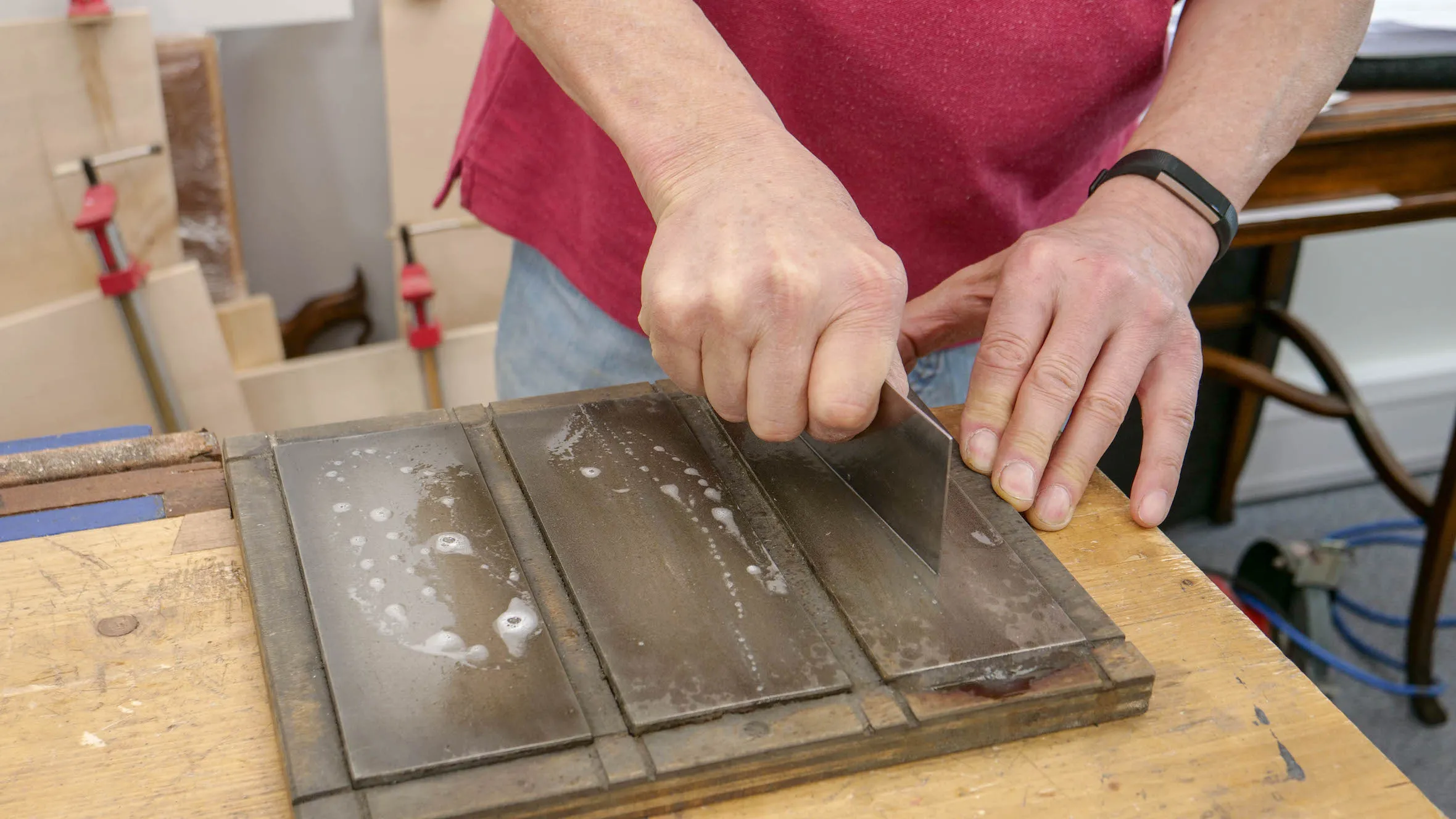
Sharpening a Card Scraper
Draw the file along the 2 long edges by pushing the file away from you. Small steel spirals should appear from the edges as a result of the filing.
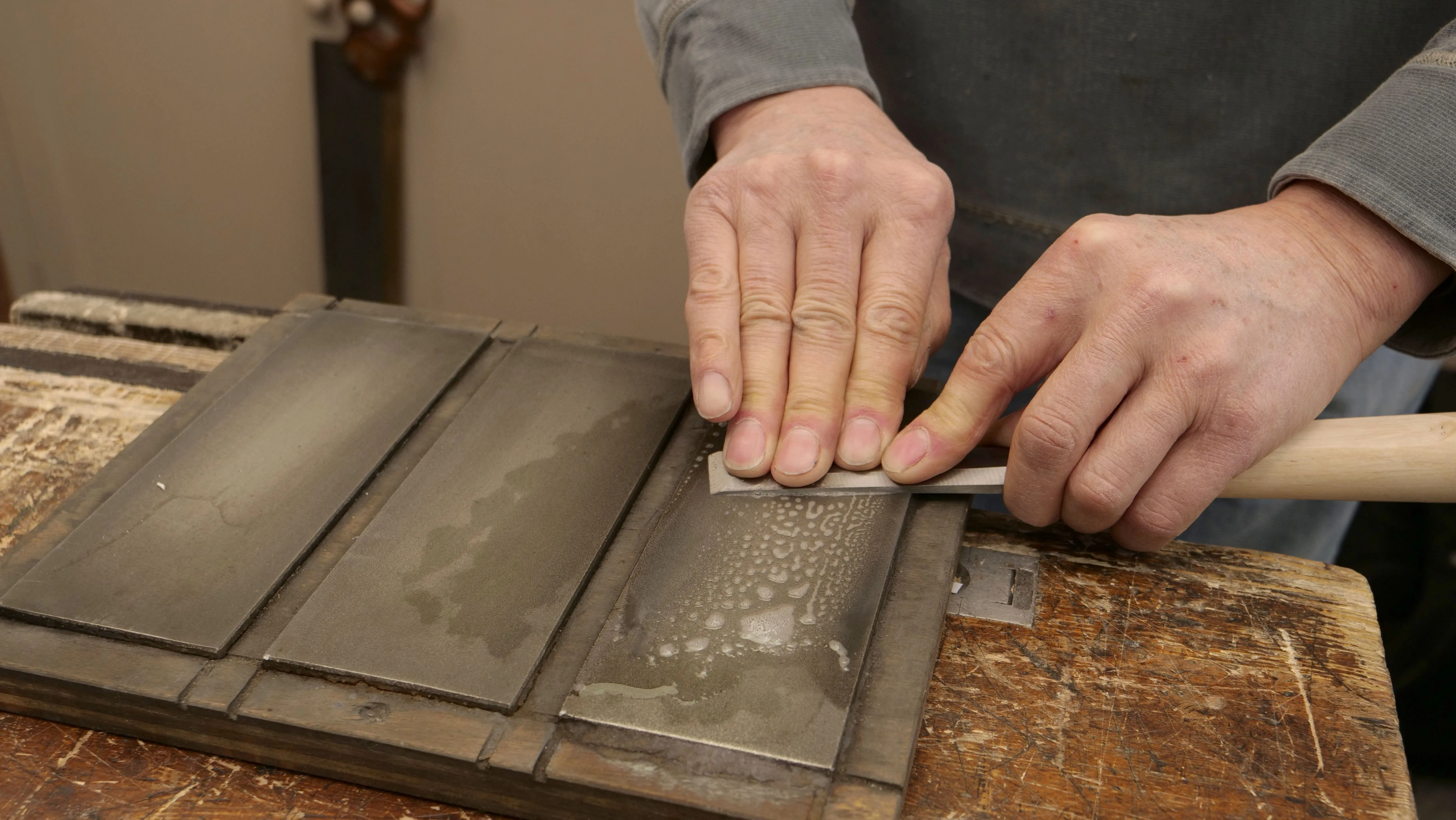
Setting Up and Sharpening a Chisel
Note: Be careful when sharpening as the tools will become very sharp. Always face the blade away from you when sharpening.
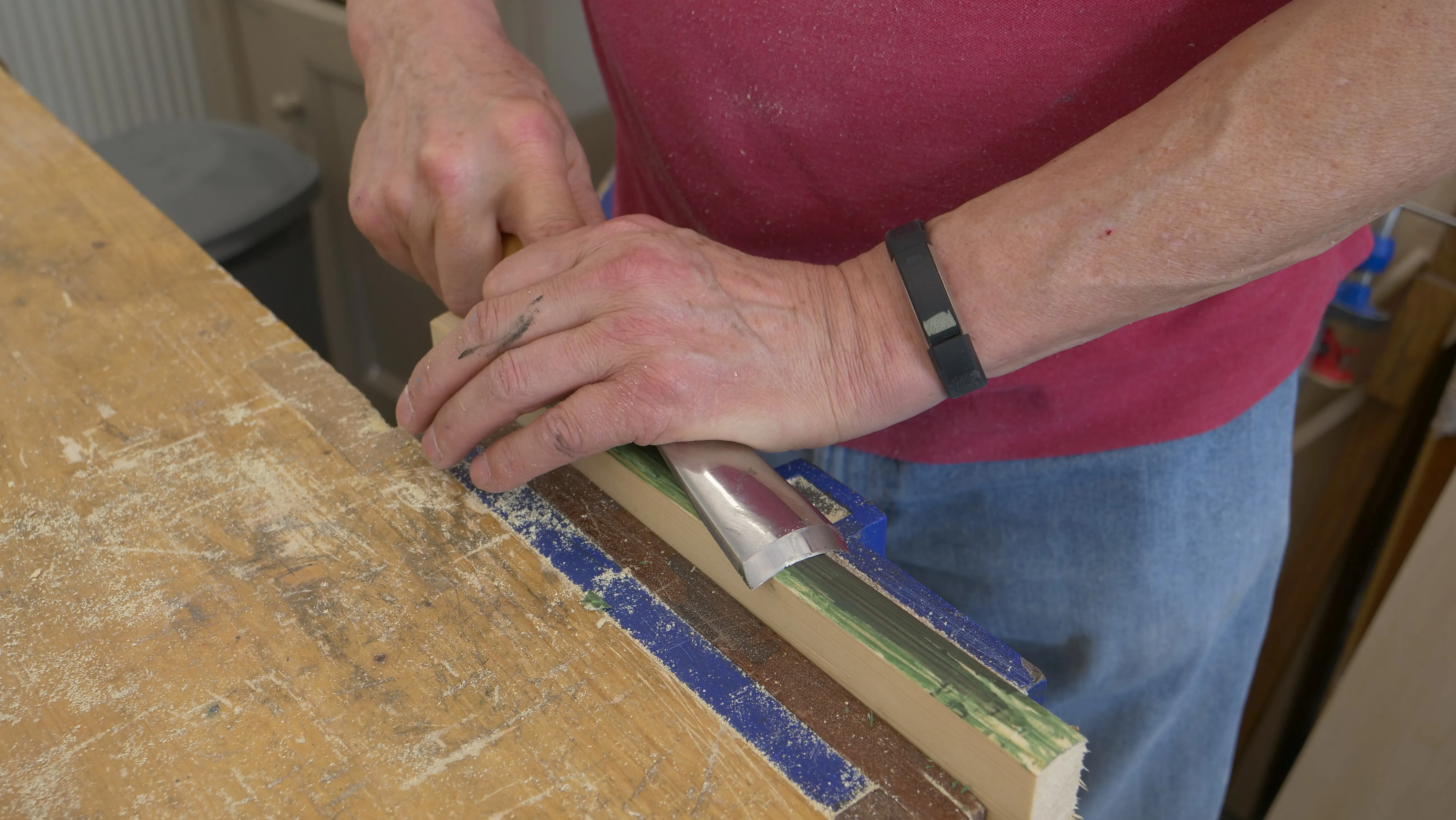
Sharpening a Gouge
Note: This is the sharpening process of an out-cannel gouge.
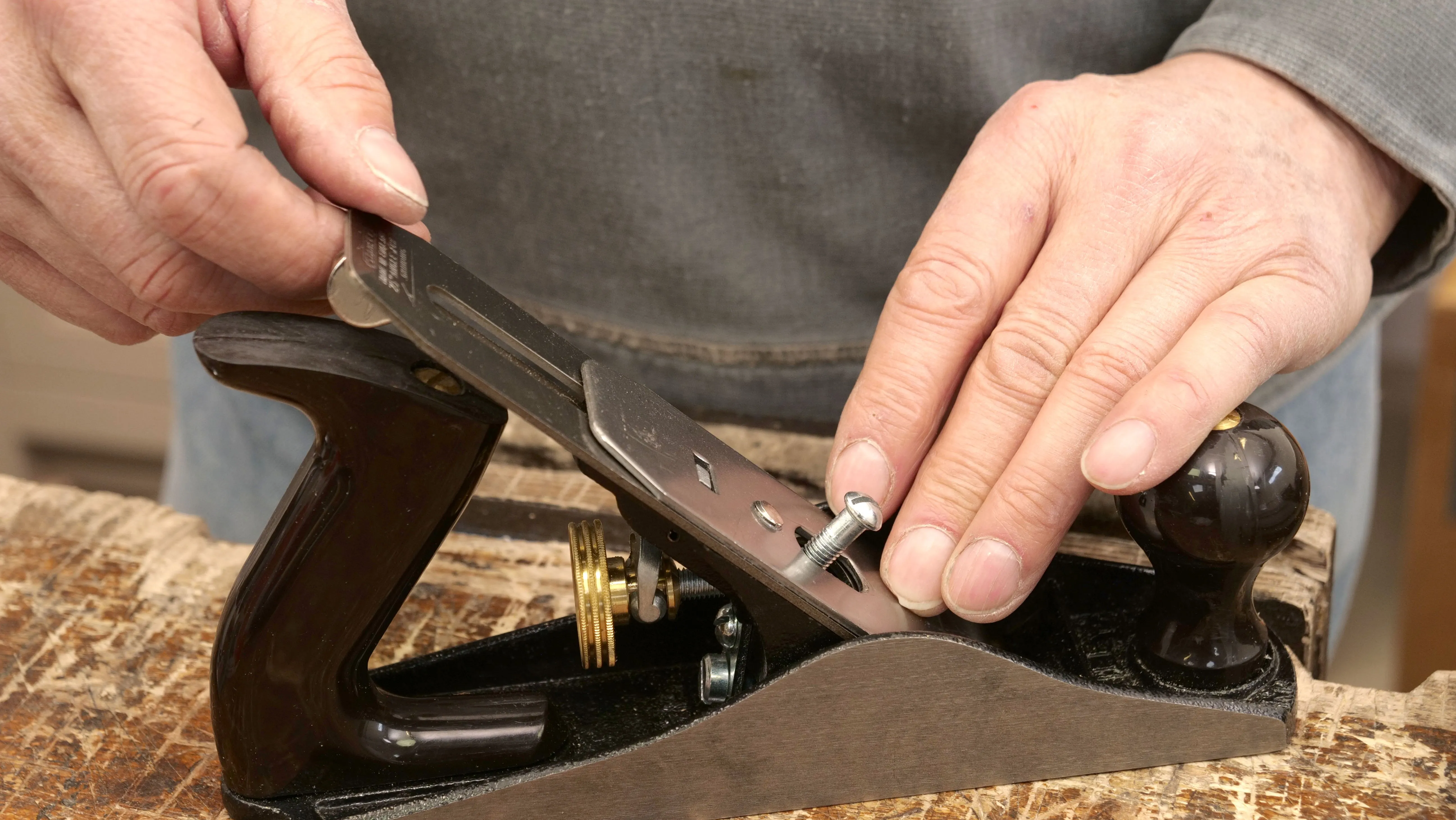
Setting Up and Sharpening a Plane
Note: Be careful when sharpening as the tools will become very sharp. Always face the blade away from you when sharpening.
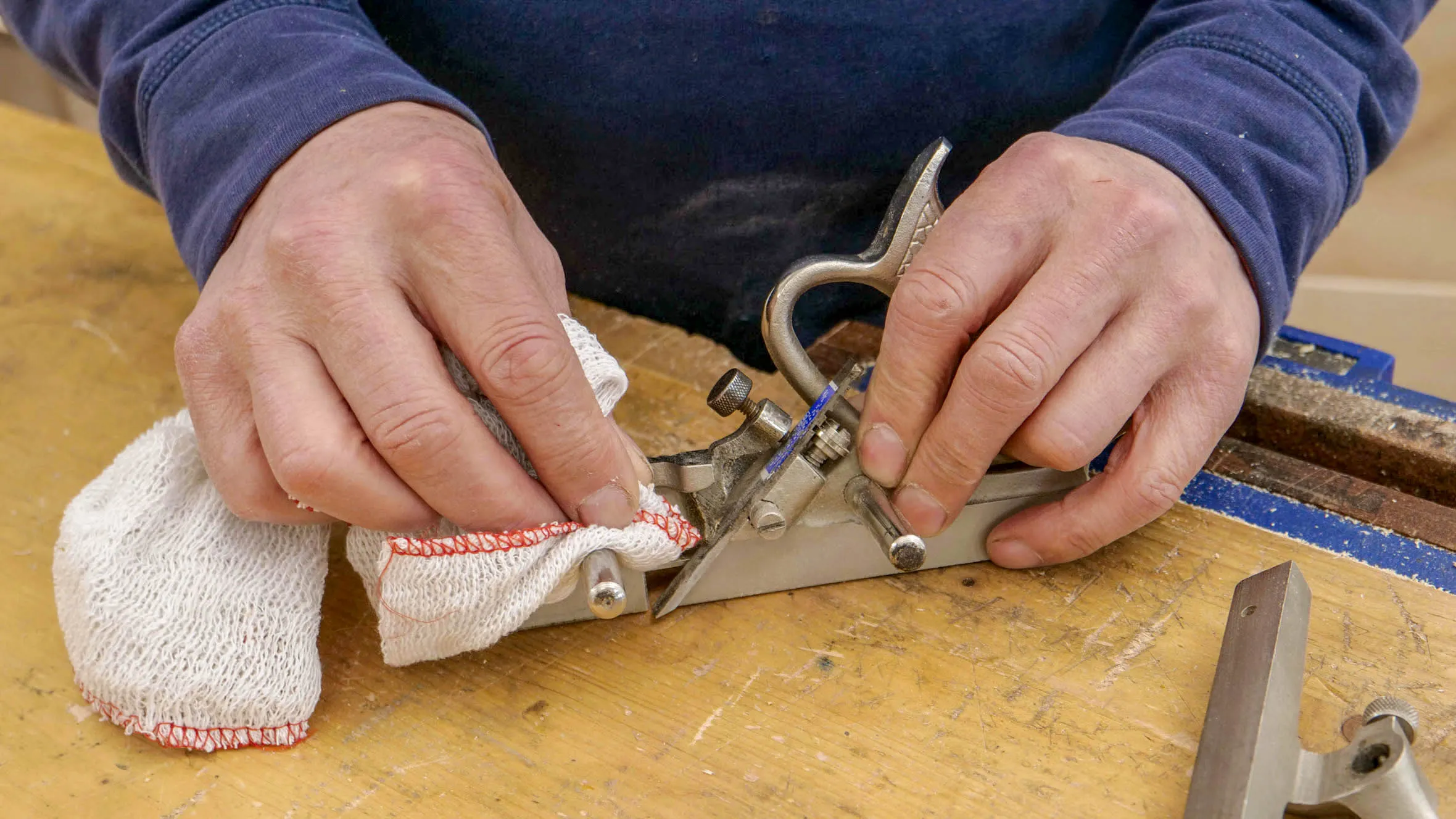
Sharpening a Plough Plane
When buying second hand, the plough plane may be sticky with grease or rusty. This can be cleaned using a wire brush and abrasive paper. Your plough plane may also arrive in multiple parts. Start b...
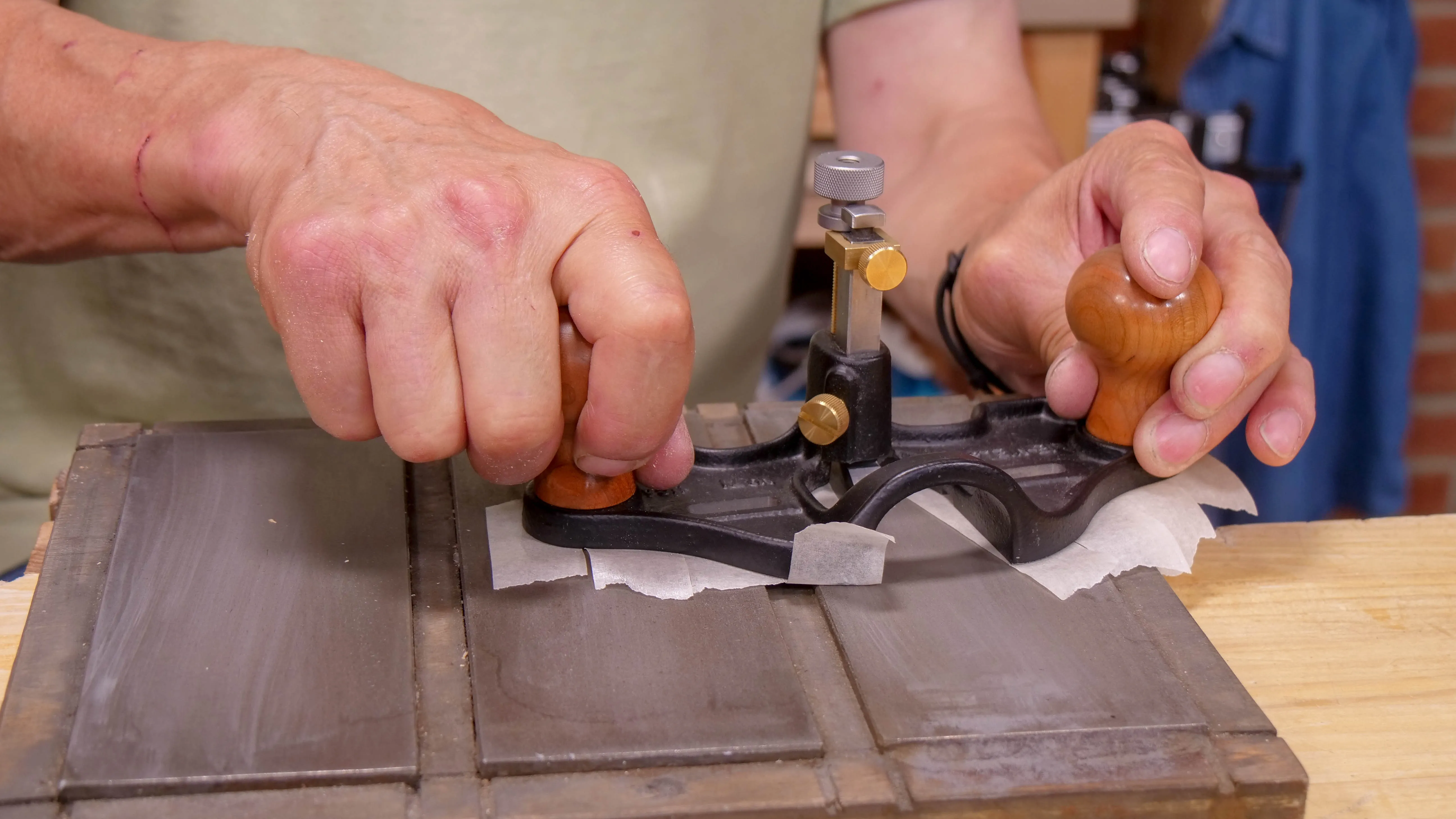
Sharpening a Router Plane
This page covers the ins and outs of working with a standard router plane. In order to provide a more affordable alternative, without compromising on utility and effectiveness, Paul has come up wit...
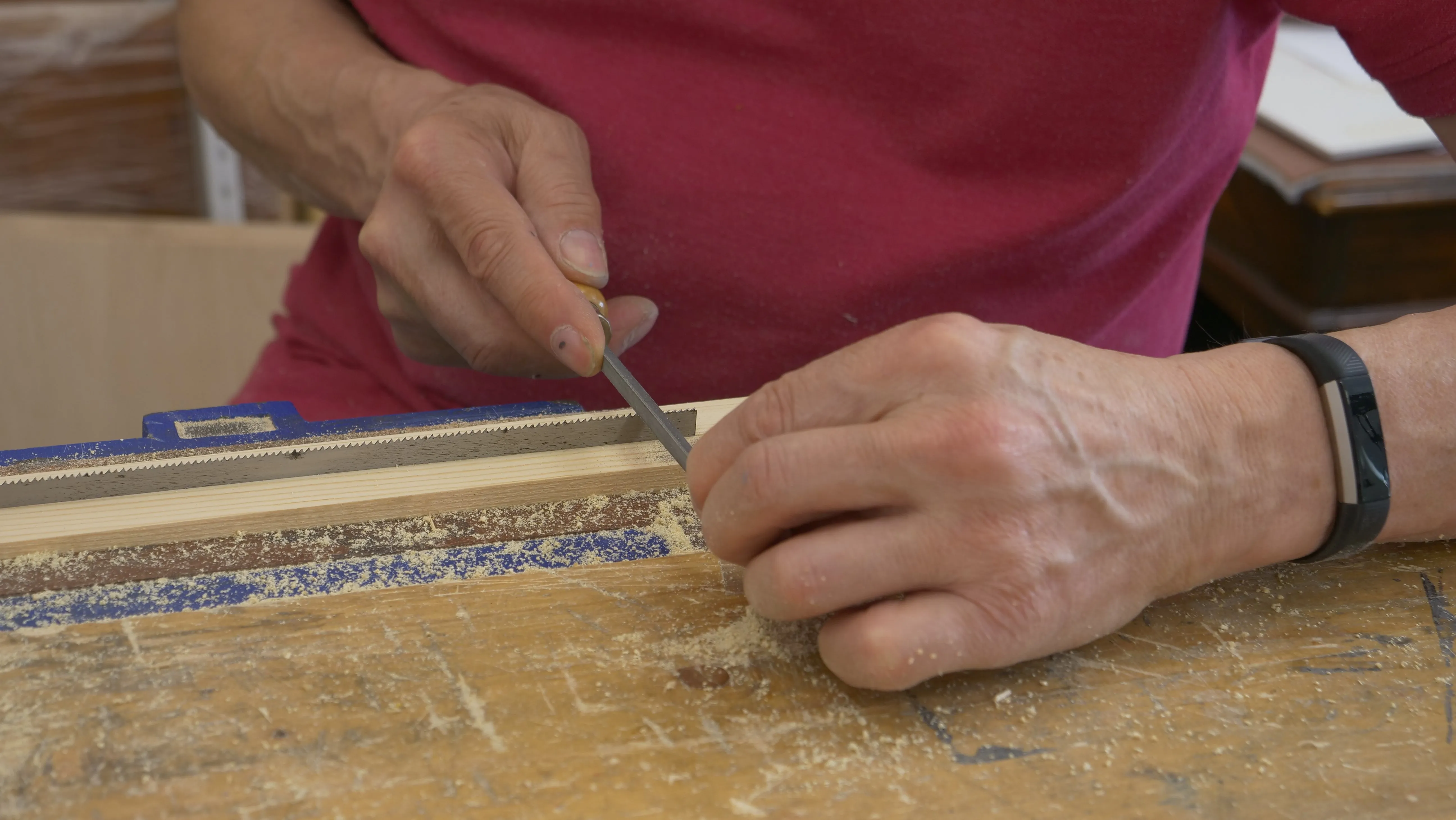
Setting Up and Sharpening a Saw
This applies to all saws, except the coping saw, which does not need sharpening as it comes with replacement blades. To see how to insert the blades, click here.
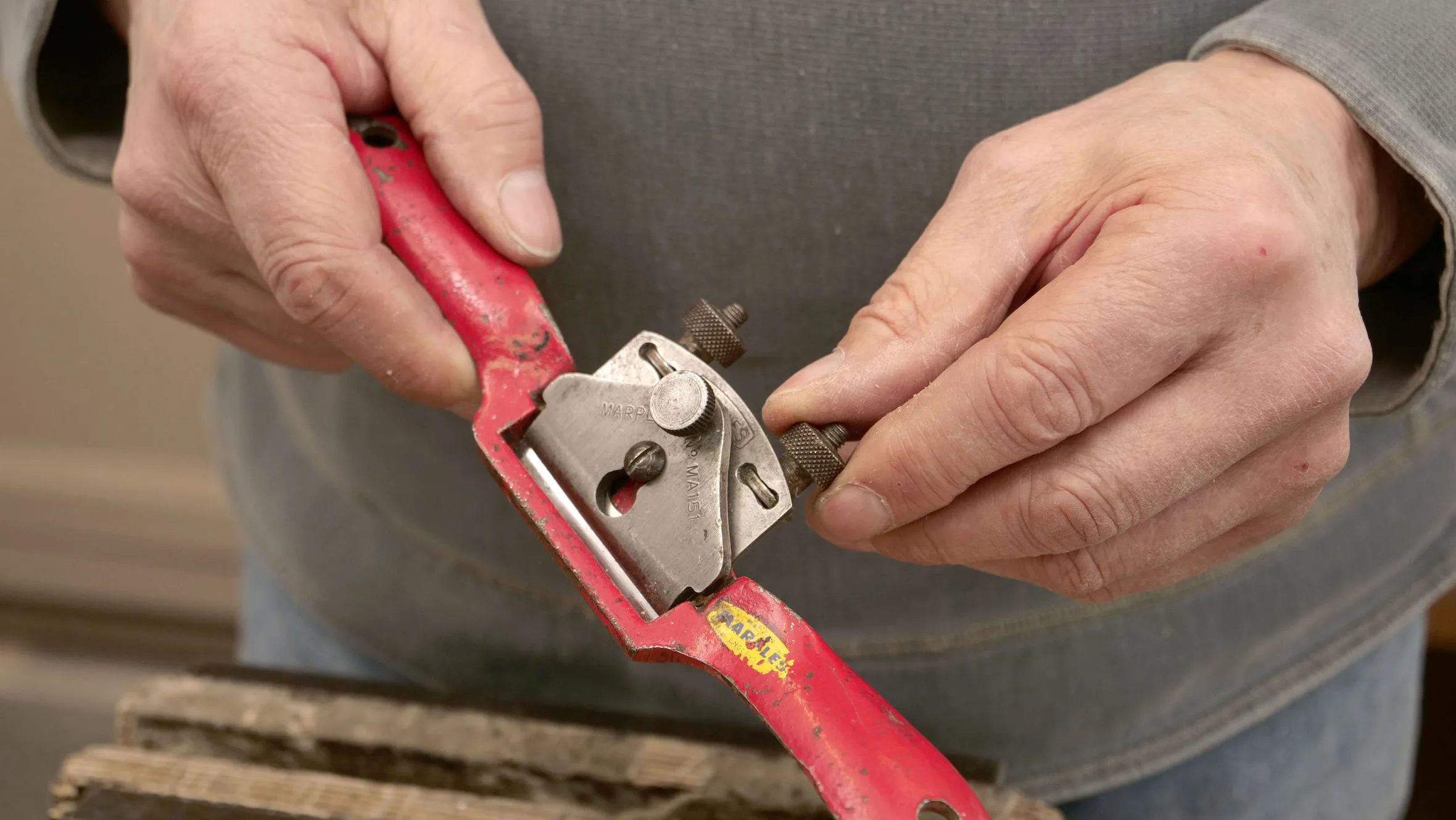
Setting Up and Sharpening a Spokeshave
Note: Be careful when sharpening as the tools will become very sharp. Always face the blade away from you when sharpening.
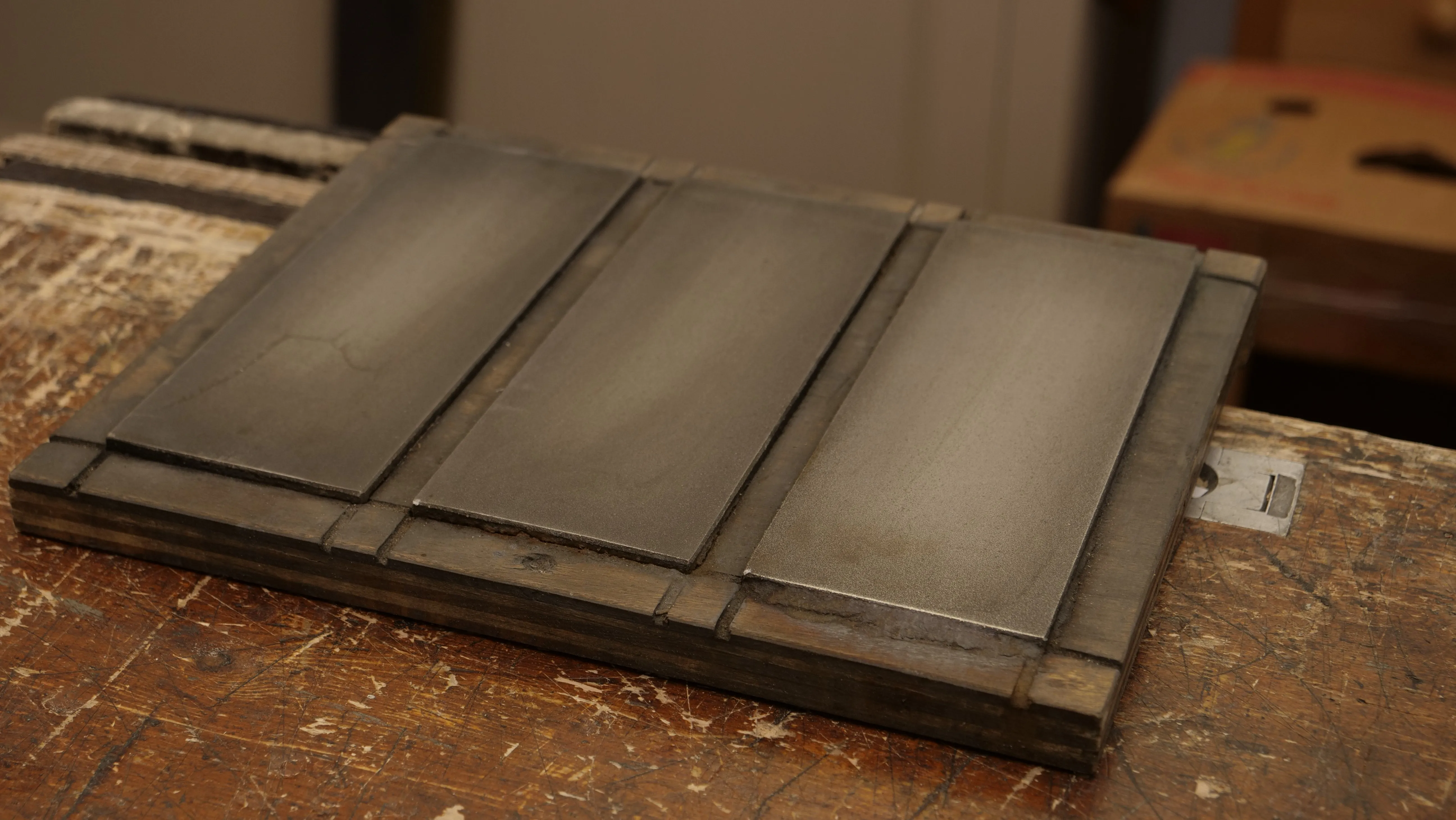
Sharpening Tools and Accessories
Note: These methods work best for tools with a cutting edge, to read about saw files, click here.
How-To Guides
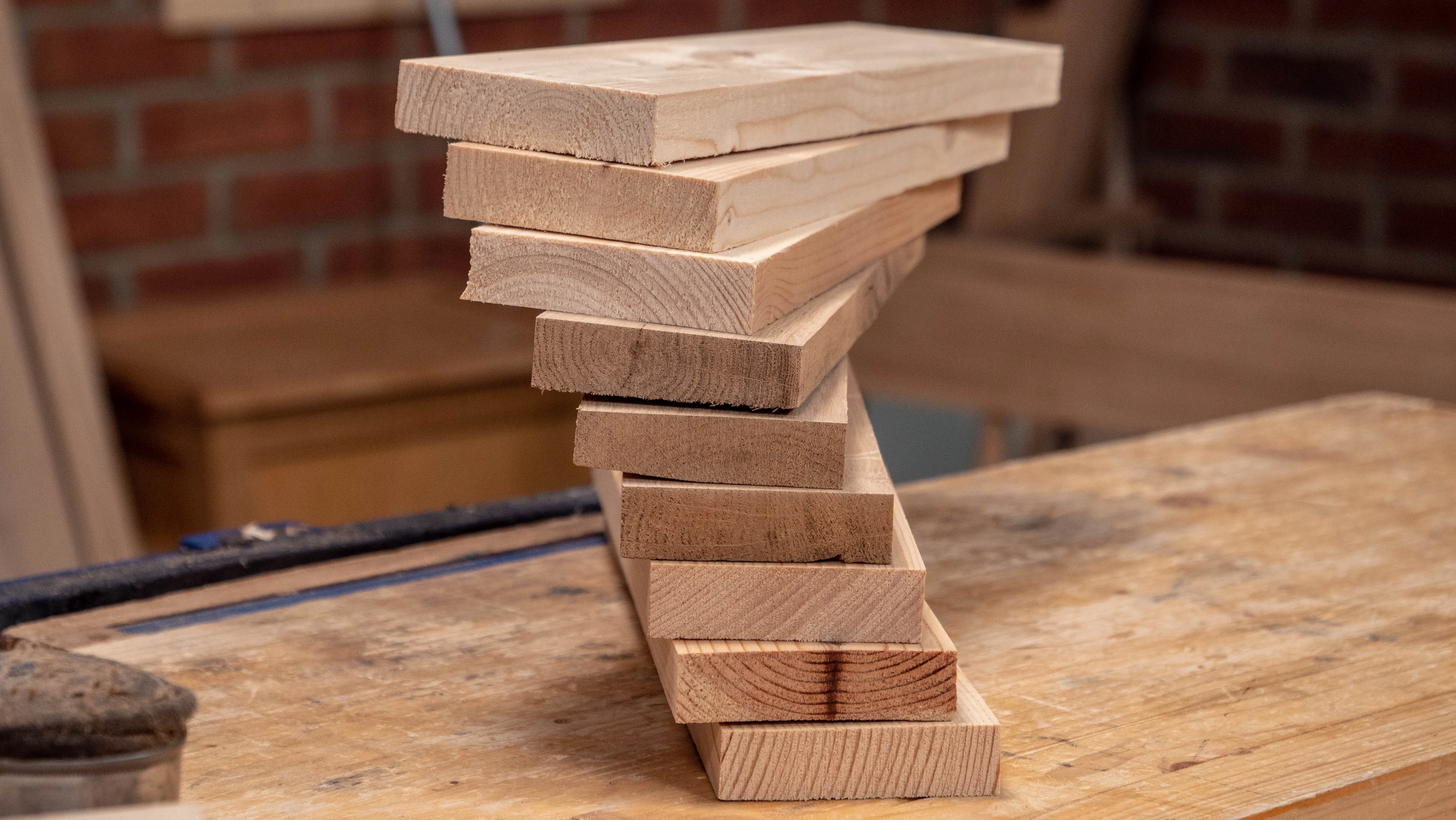
How To Choose Wood
We have listed the common characteristics of each wood group to help you choose wood. Although the following applies to the majority of hardwoods and softwoods, there are some exceptions.
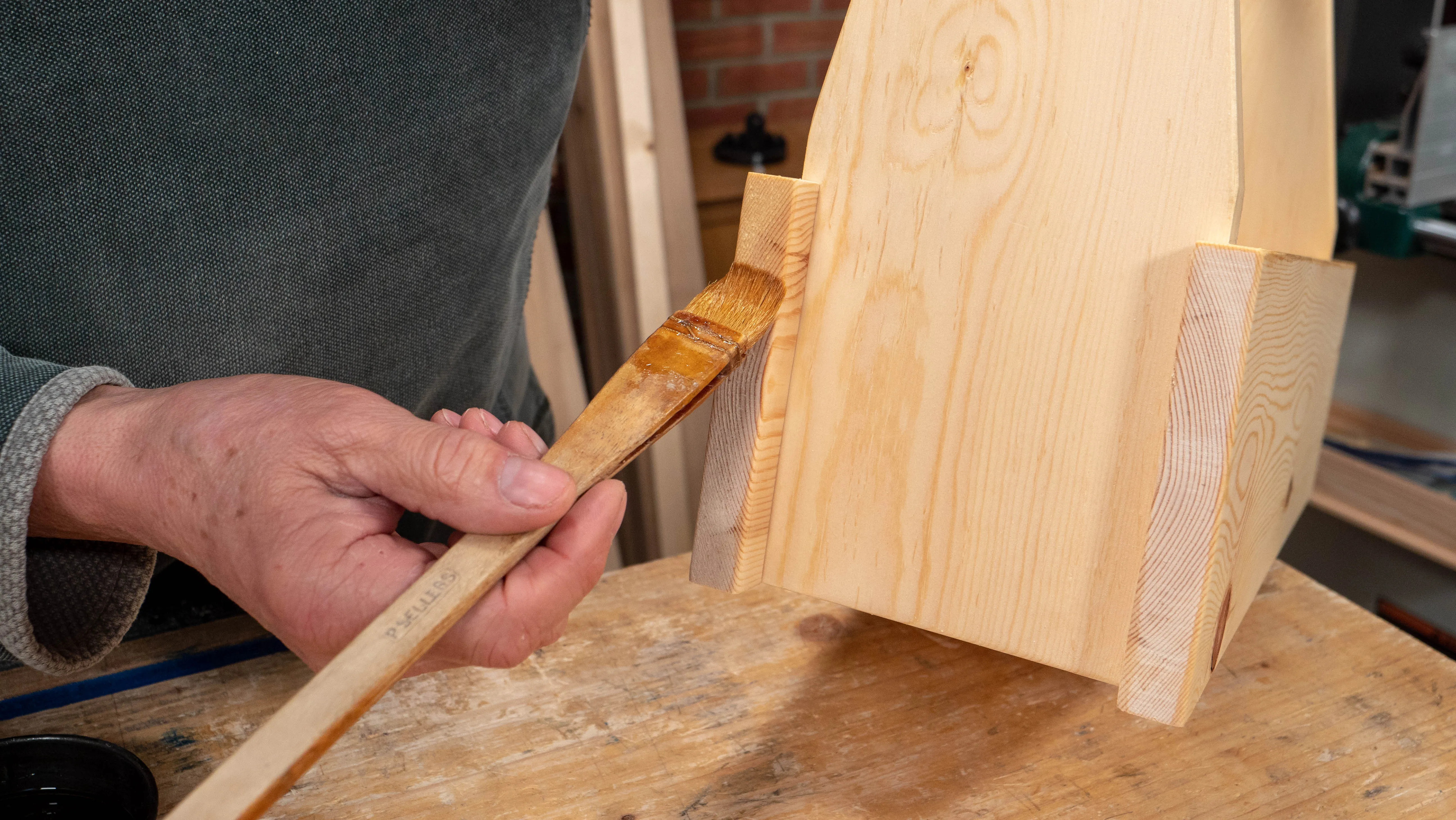
How to Apply Shellac
In this guide Paul will show you how to apply shellac to your project. This can be adapted depending on the project and the coverage you want to achieve.
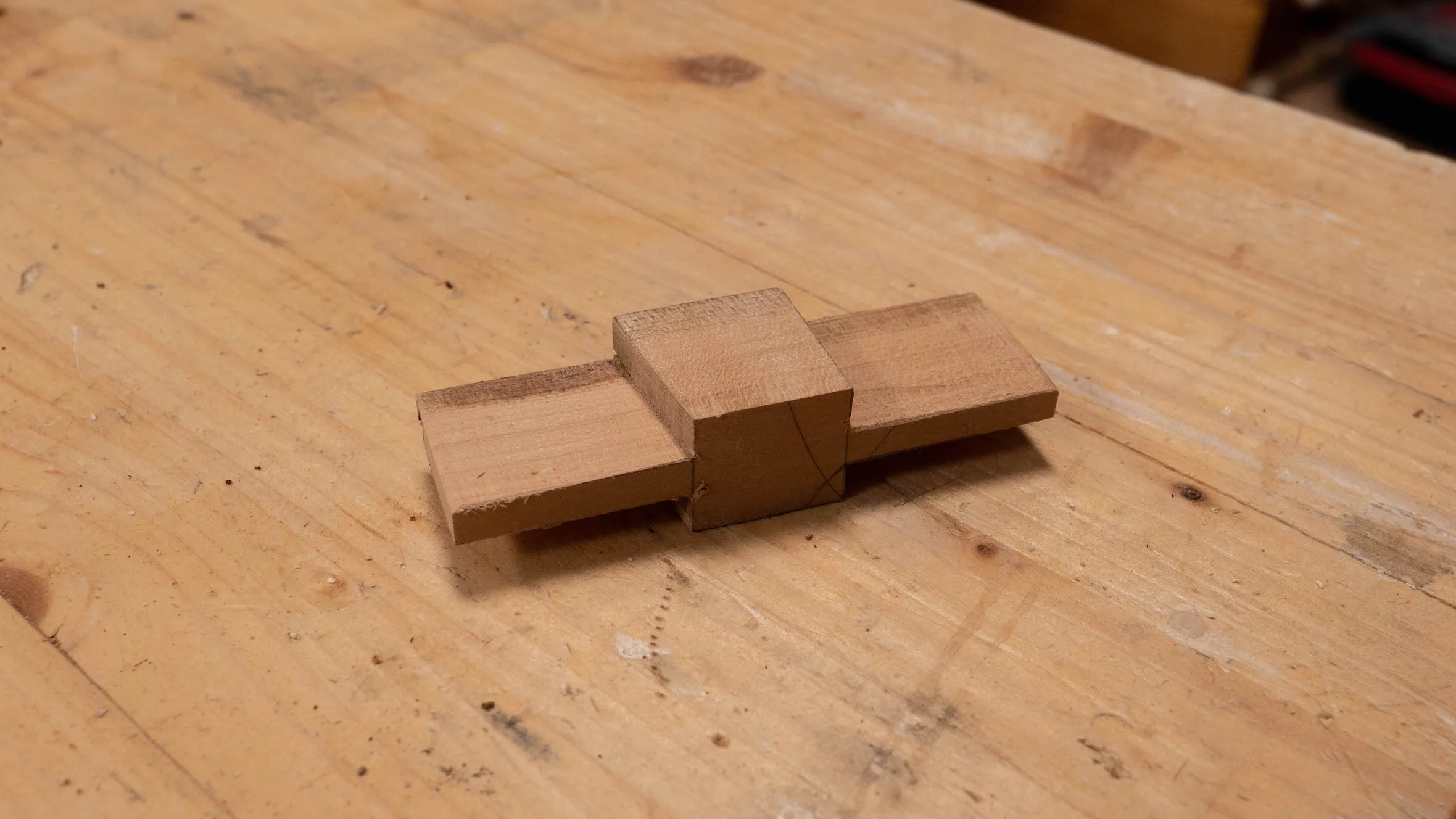
How to Make a Dovetail Template
Note: This guide will show you how to make the handy, reusable template which will help in dovetail layout to save time and ensure accuracy. Once you have made one, test it out by using our free Do...
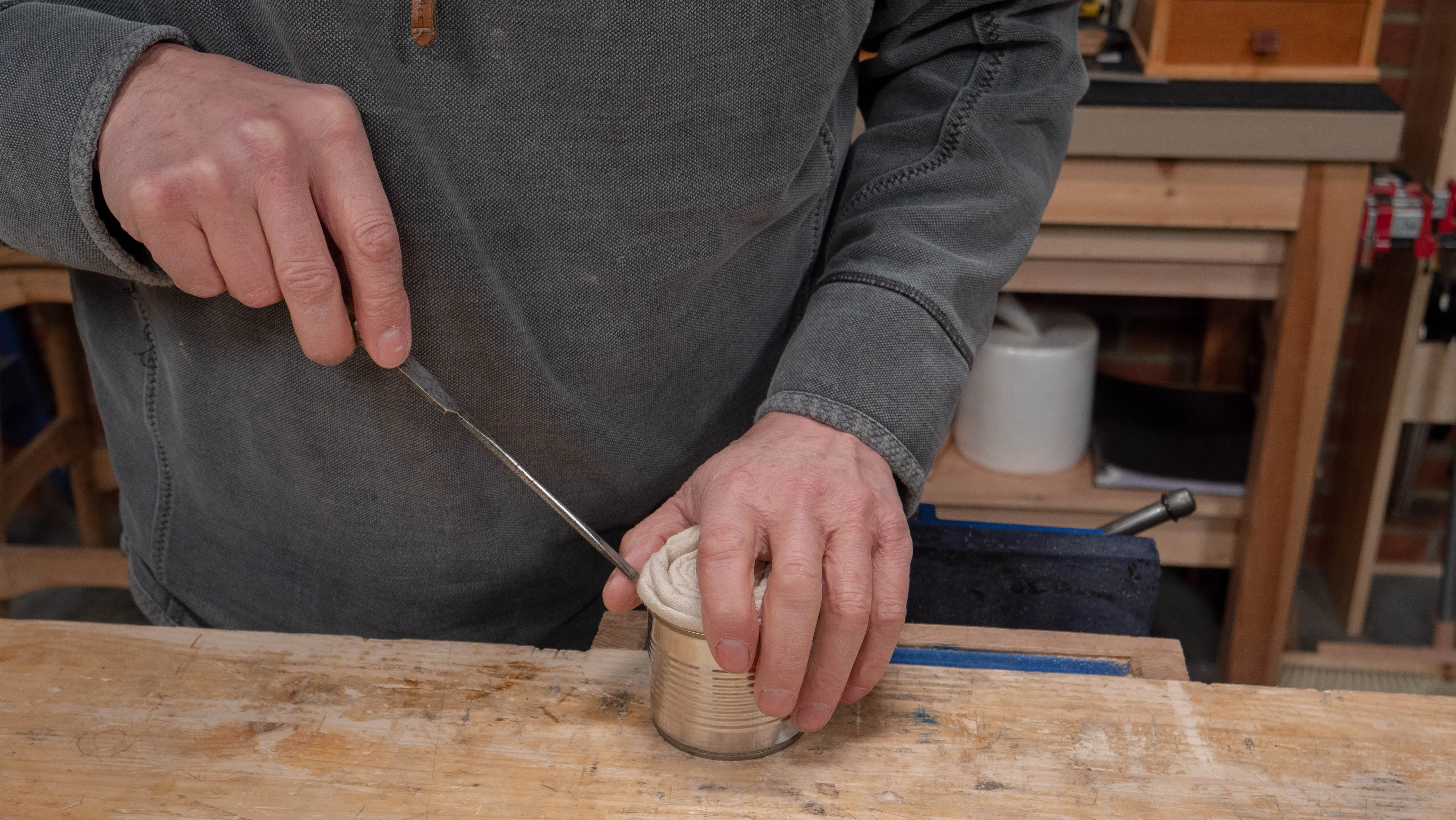
How to Make a Rag-in-a-Can Oiler
Note: Some oils spontaneously combust. See Paul's blog post here. Do not use these in the rag-in-a-can-oiler.
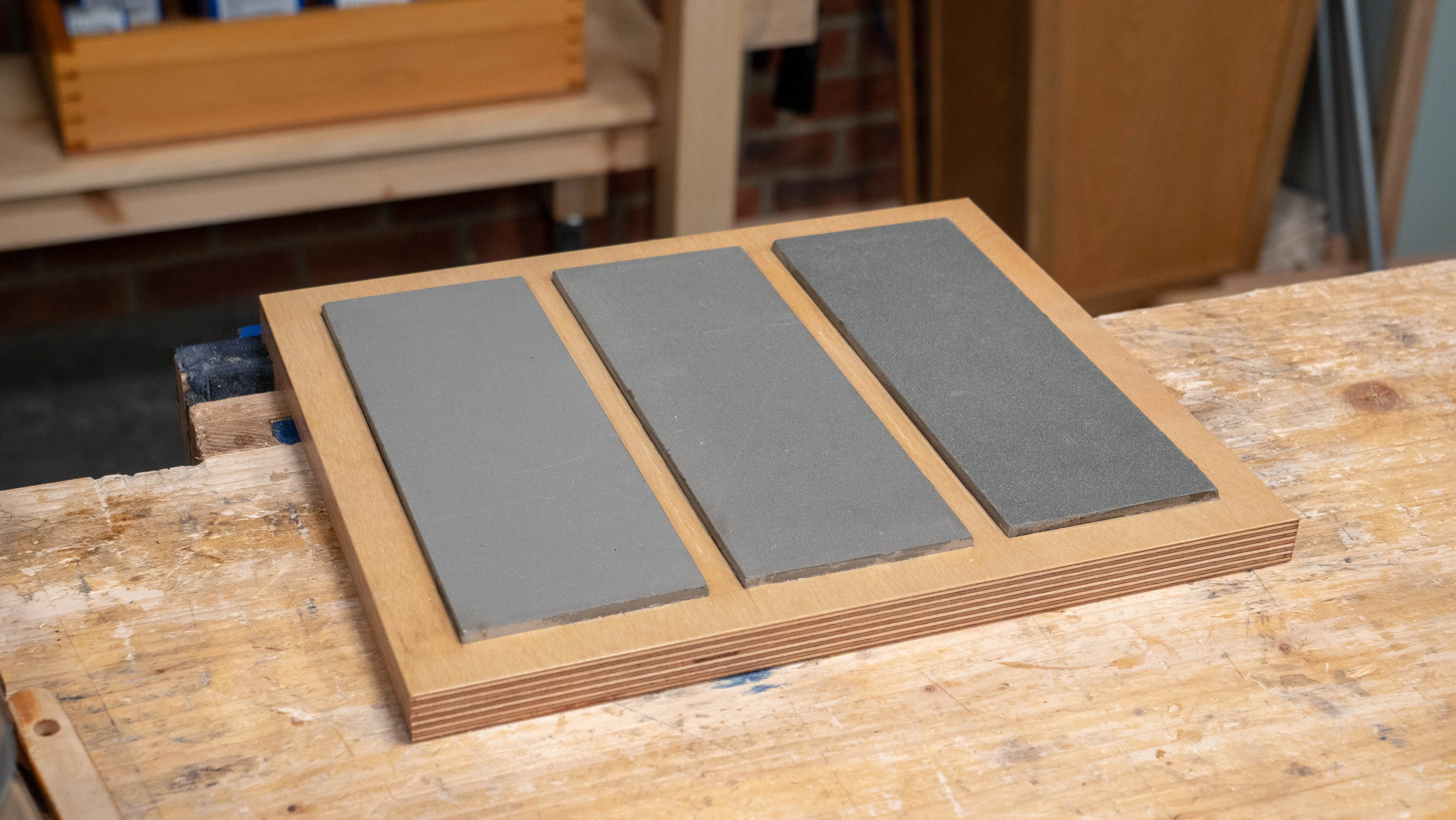
How to Make a Sharpening Stones Holder
In this guide, Paul shows you how to make a sharpening stones holder which can be clamped in the vise for ease of use.
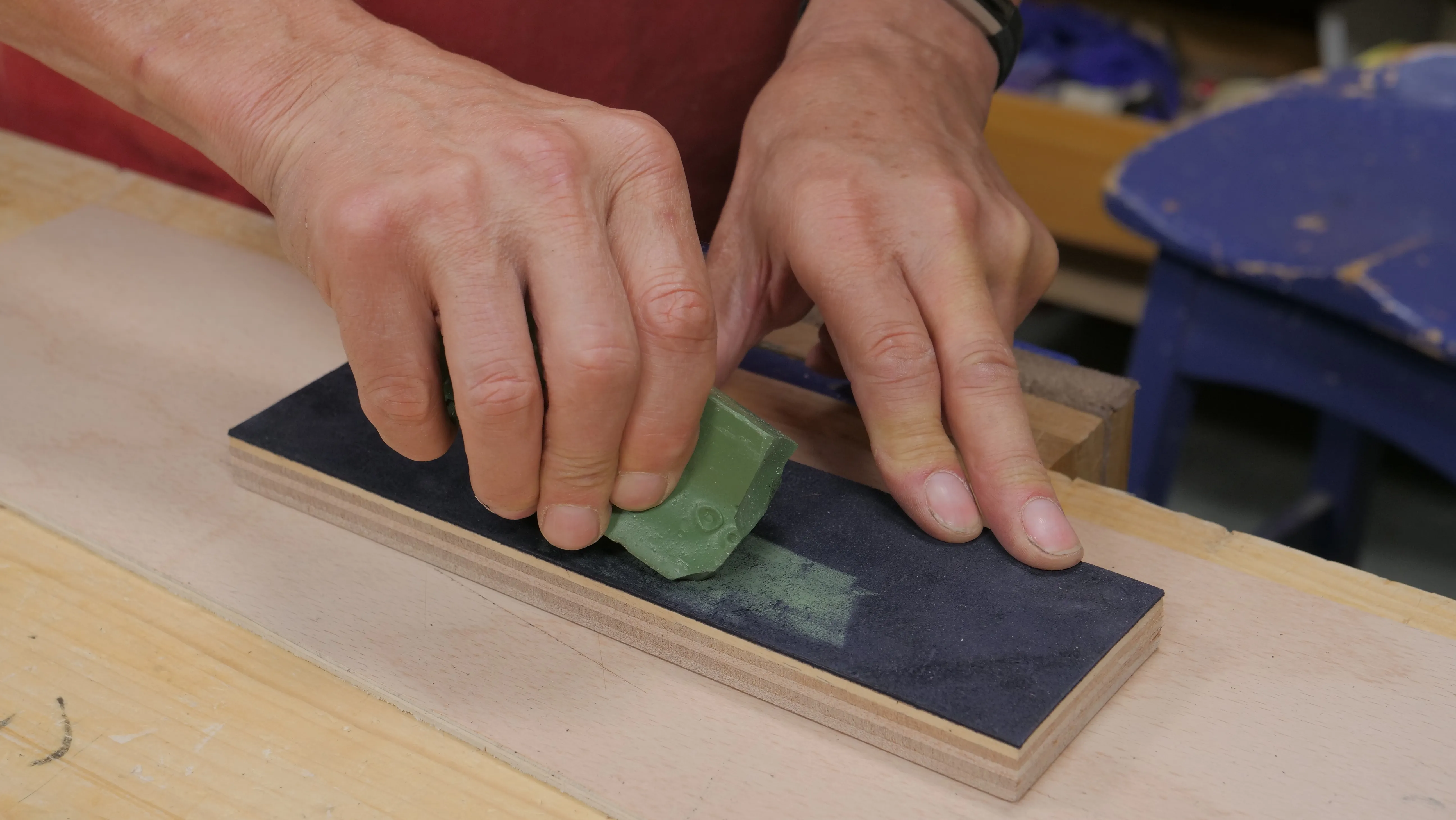
How To Make a Strop
For this, you will need:
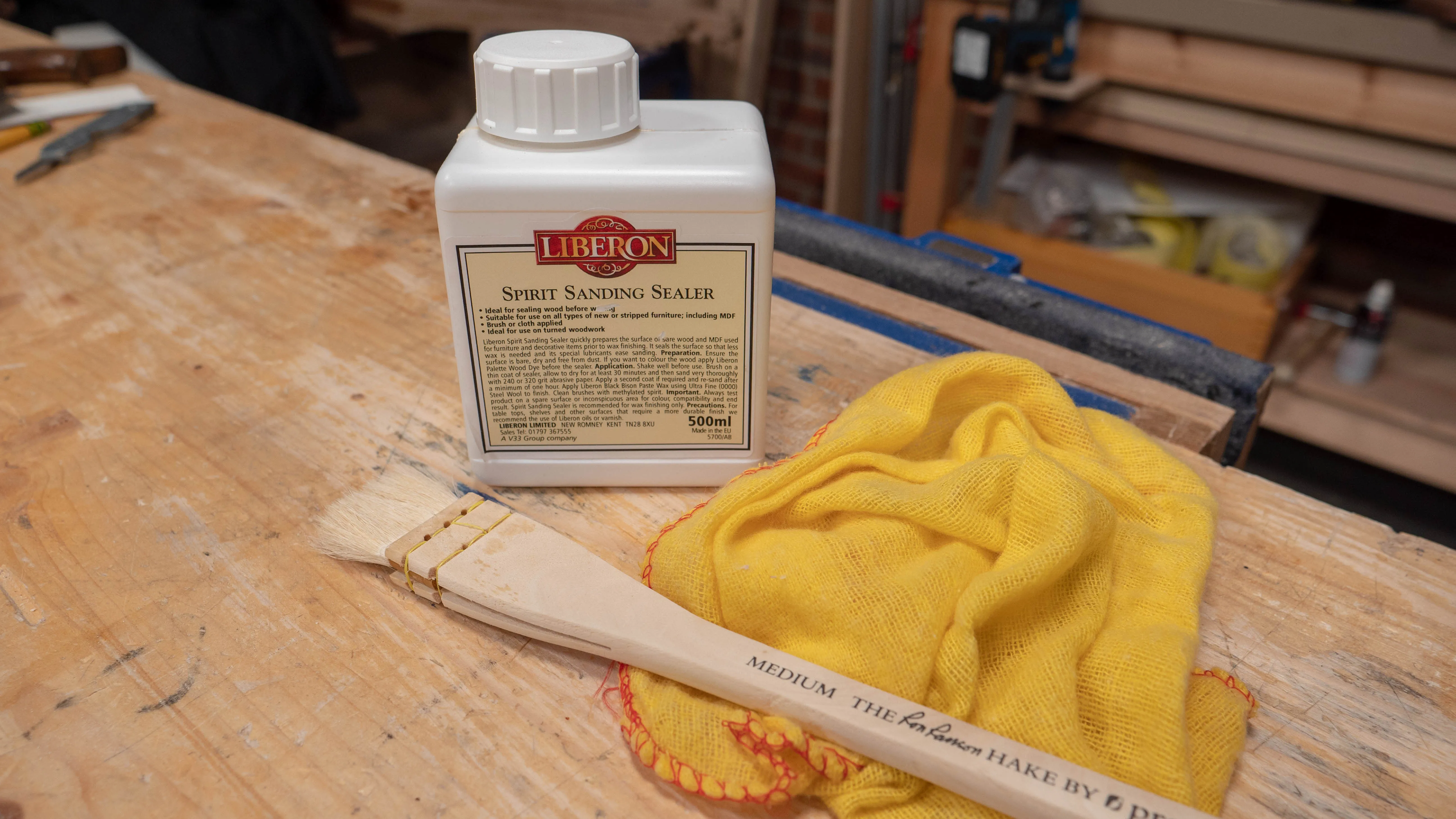
How to Choose a Wood Finish
Before finishing, sand your project or section with 240 grit sandpaper. This gives the surface texture (also known as ‘tooth’) and gives the finish something to cling to. If your wood is oily (like...