How to Choose a Wood Finish
Before finishing, sand your project or section with 240 grit sandpaper. This gives the surface texture (also known as ‘tooth’) and gives the finish something to cling to. If your wood is oily (like...
Before finishing, sand your project or section with 240 grit sandpaper. This gives the surface texture (also known as ‘tooth’) and gives the finish something to cling to. If your wood is oily (like teak or rosewood), often we would wipe the surface with a solvent, such as denatured alcohol, to remove surface oil and improve adhesion by the finish. Beyond that, most finishes will work just fine on woods with oily content. Some woods, especially tropical hardwoods, have high oil content. Most Western European and North American hardwoods are non oily wood.
Many, if not most, wood finishes manufactured today are non toxic once cured, but during the curing period can remain toxic if toxic ingredients were used in the manufacture. If you are finishing projects such as food utensils, children’s equipment, furniture and toys, it is best to check with the data sheets all companies must provide.
Shellac
Shellac is easy to apply, and can be bought pre-mixed. It is a protective finish which is applied by brush or with a cotton pad made from a rag – t-shirt material works best. This finish is best for indoor projects. Blonde shellac is clear. You can dye it with leather dye. You can apply up to 4 coats, leaving half an hour to an hour between coats. You know you need another coat when you look at the surface and see dull patches. You’ll be aiming for an even shine overall.
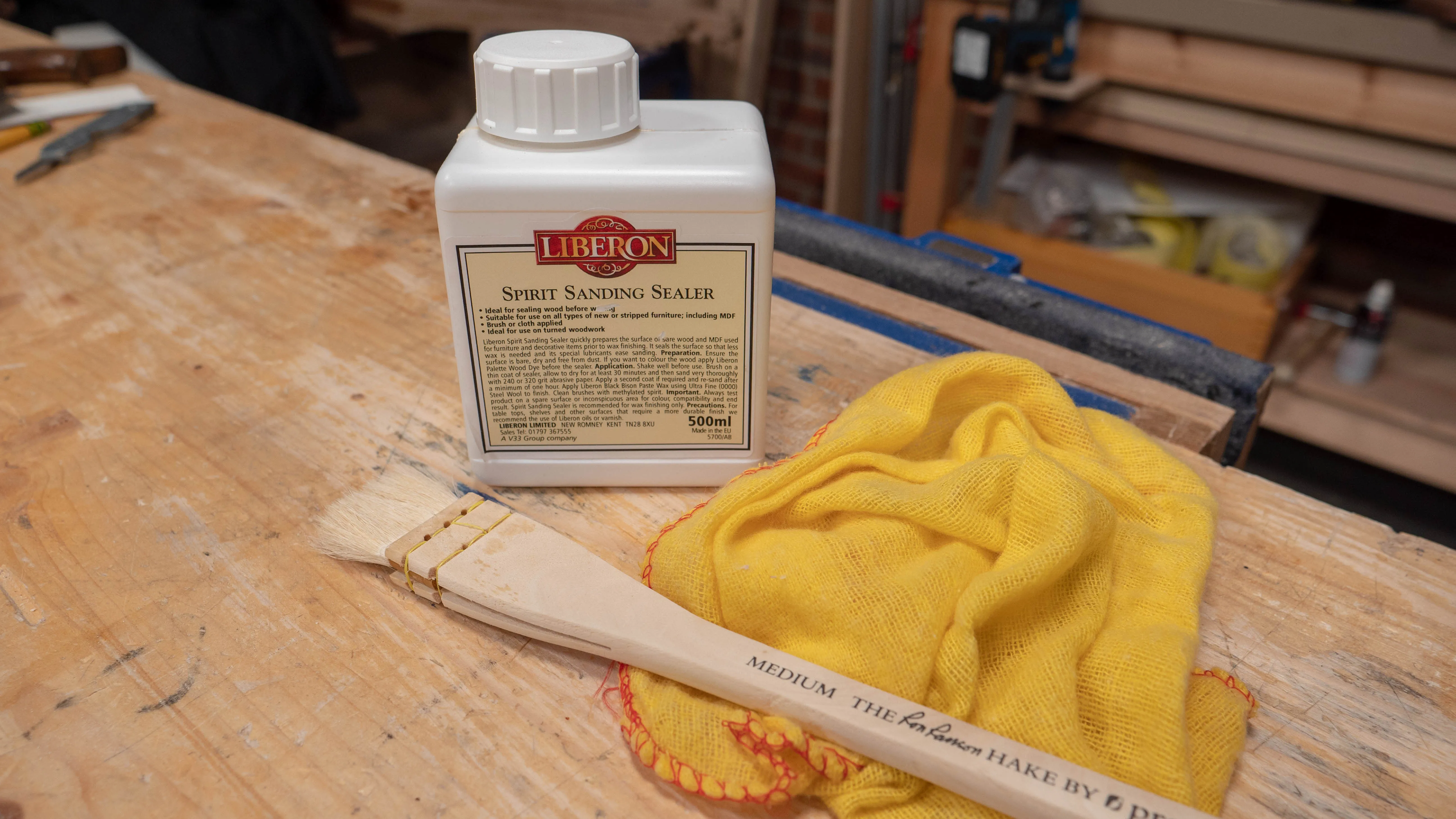
Pictured below is sanding sealer made from shellac.
Furniture Wax
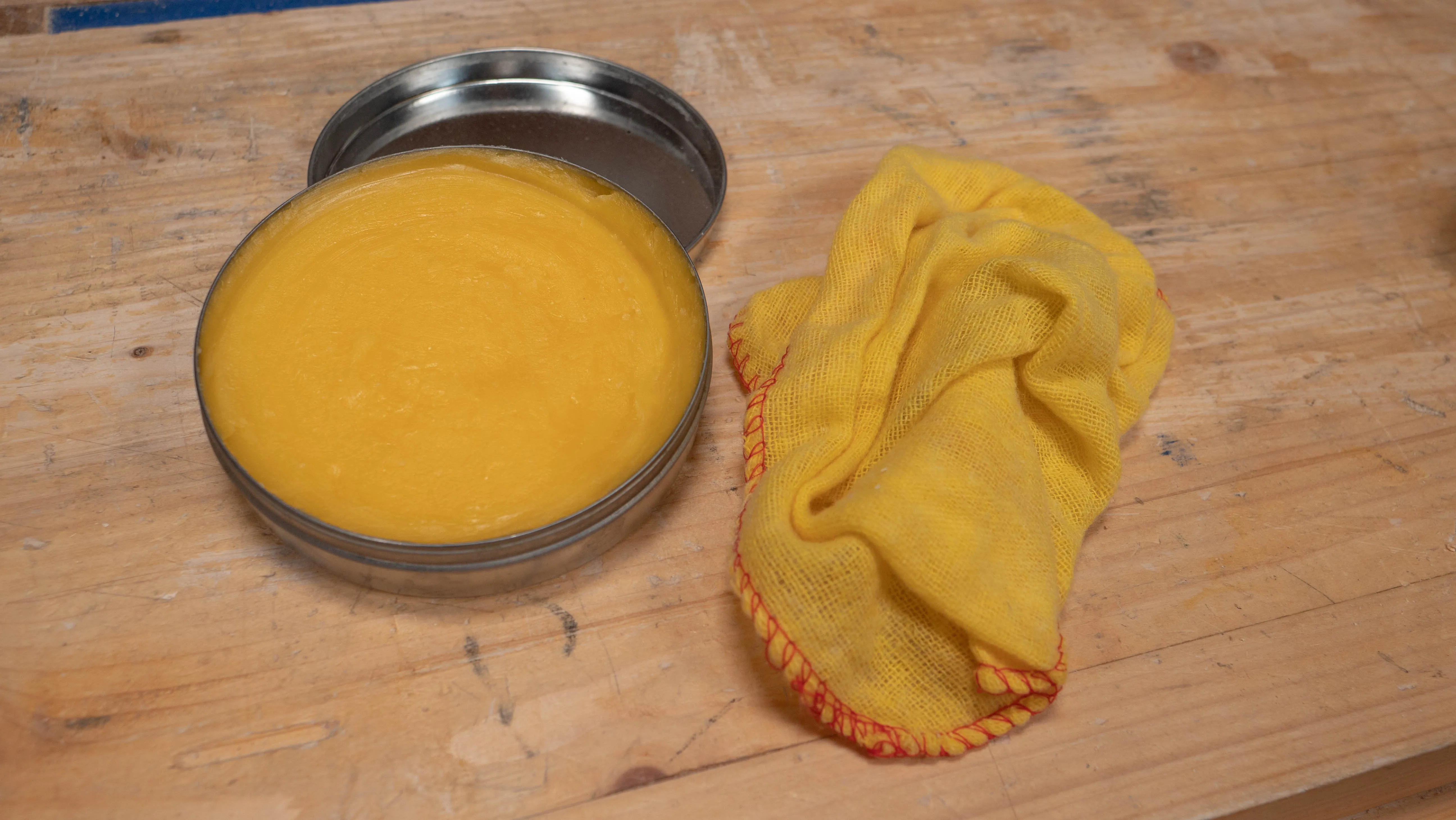
This can be applied on its own or on top of shellac for a frictionless finish. If applied on its own, this will need to be touched up periodically, depending on how exposed the furniture is and how often it is used. Furniture wax can be clear or coloured. The wax fills the pores in the wood and is best for indoor projects. Furniture wax is not a very resilient finish, but it does enhance the wood’s appearance.
Varnish
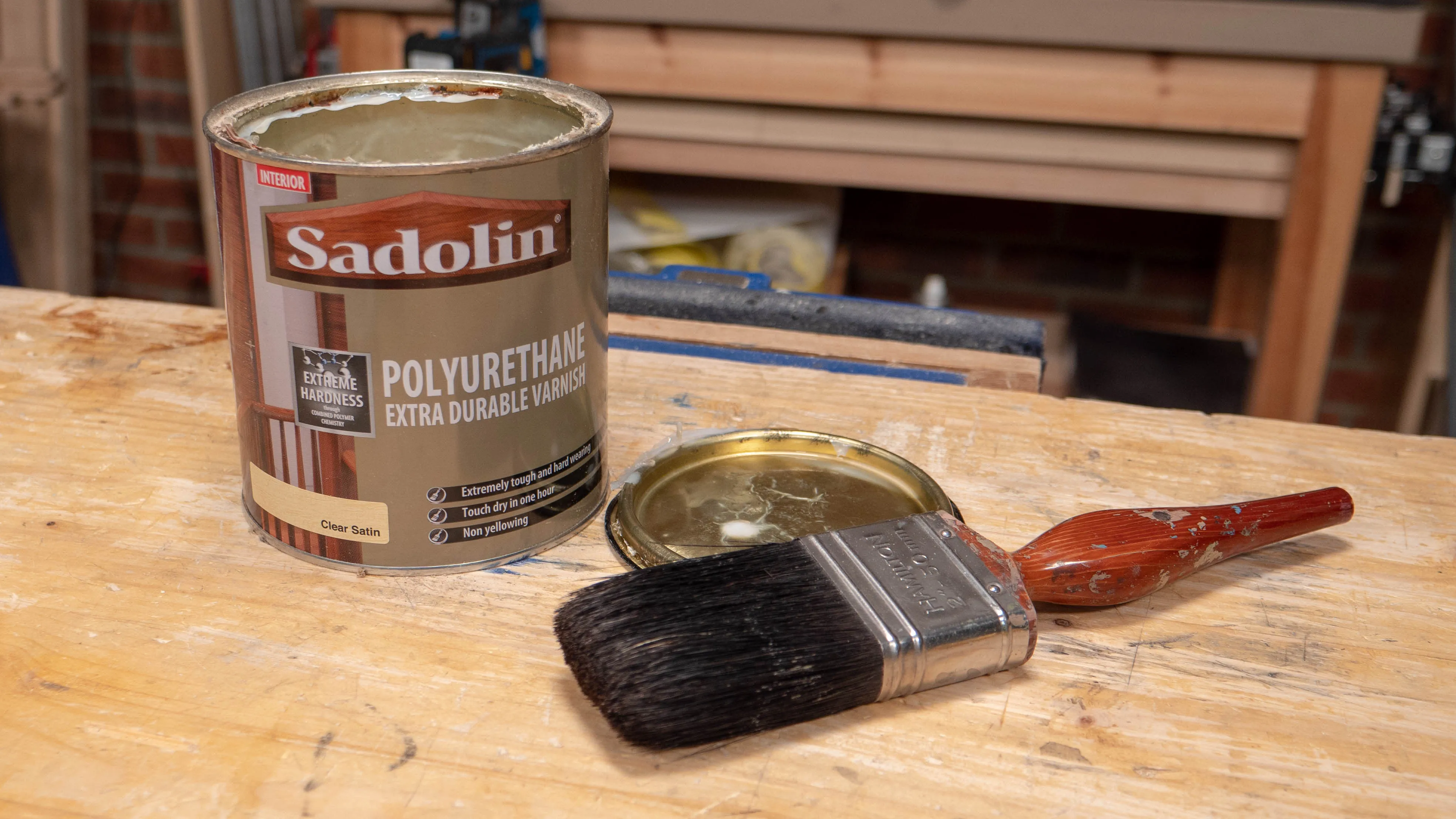
Varnish can be coloured or clear. It is best for projects which come into contact with water. You can get specialised varnish for outdoor use which protects your projects against the elements. Polyurethane and varnish work identically as far as application and protection goes. Manufacturers offer different advice, but many finishes do break down with ultra violet (UV) light and often finishes have inhibitors to increase longevity. Judging from the way that finishes are labelled and marketed, there appears to be no difference between varnish and polyurethane. Polyurethane is a varnish and both are oil based. However, we now have water based varnishes which can confuse the issue of categorisation.
Varnish or polyurethane would work well to bring out the grain. Oil based varnishes dry as a clearer finish than water based varnishes so you get greater depth.
Oils
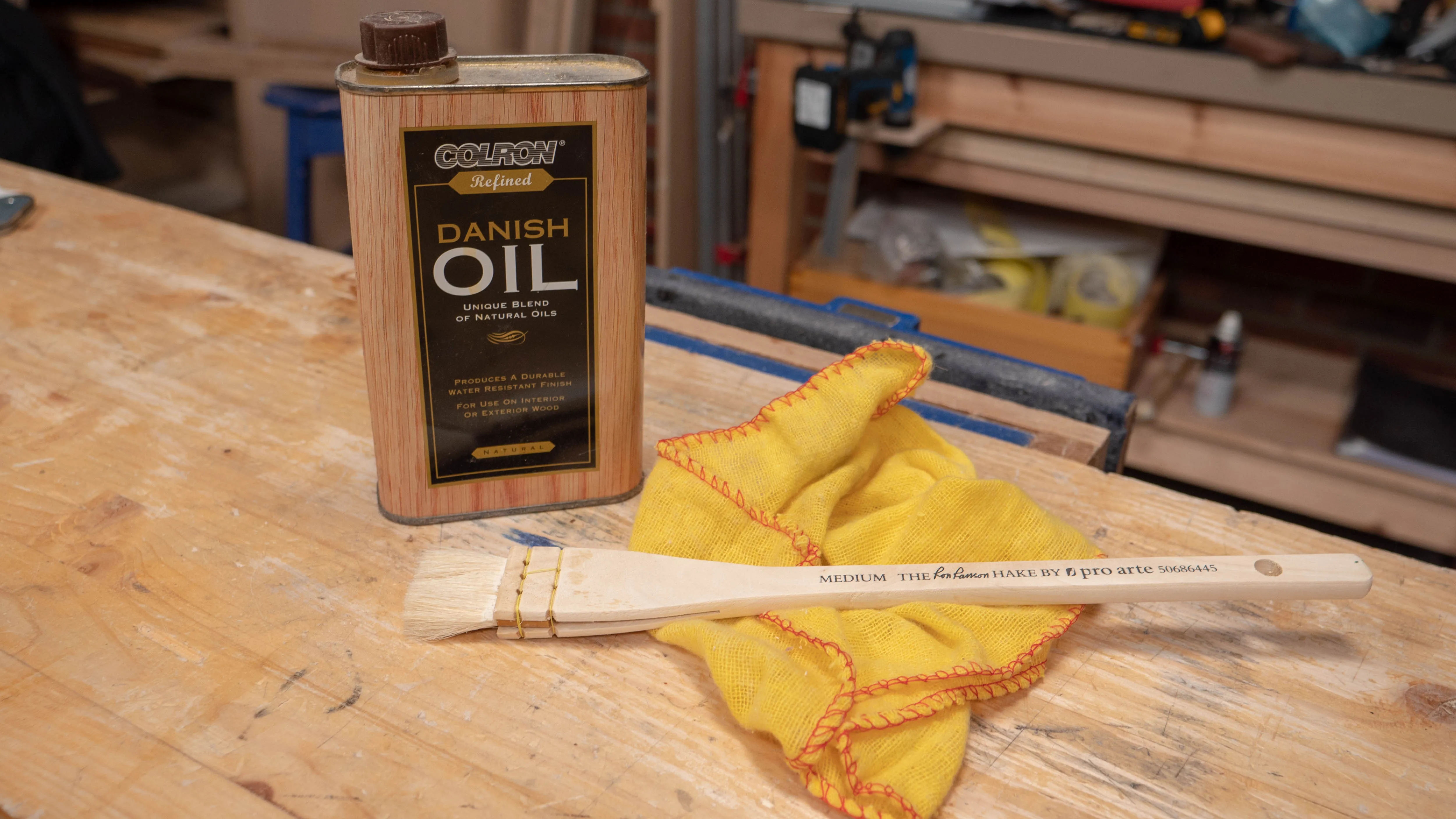
All true oils soak into the surface of wood grain, but some have polyurethane which forms a skin on the wood surface. Danish oil is one of the easiest finishes to apply which makes it easy to repair.
For food safe products, use a clean rag with a plant based oil, such as vegetable oil. Leave to absorb and re-apply when desired over time. Mineral oil is also a popular choice for this category of projects.
Generally, boiled linseed oil is an acceptable finish for garden and outdoor wooden tool handles. However, it is not a durable outdoor finish.
Application techniques:
As manufacturers offer different advice according to their product, it’s recommended that you also follow their guidelines.
Further Reading
To read more on this we recommend the following from Paul’s blog:
Making a Using ShellacHow to Apply Shellac as a Practical Wood Finish
Rounding Up on ShellacShellac Video is on YouTube
Restoring a Shellac FinishFinishing with Shellac