
The Rasp Guide
A rasp is similar looking to a file in terms of shape. However, their working faces are significantly different. Rasps have individually raised teeth, referred to as stitches, evenly dotted over the entire surface of the working face, and are used for shaping wood. Stitching can be made by machine or by hand. However, it is more common to see them machine manufactured. Rasps are one of the few tools that cannot be altered by the user, and the cutting parts cannot be replaced. This means that their lifespan is determined by how frequently they are used. But, when used with care, it is unlikely that you will have to replace the rasp in a lifetime of use. They can come in several different lengths. The smaller ones are usually used for finer, closer work and the larger ones for general woodwork. Some rasps have a number on which determines the number of stitches and, therefore, the texture of the worked surface. The lower the number, the larger teeth it has and the more material it will remove. Not all rasps have numbers, though.
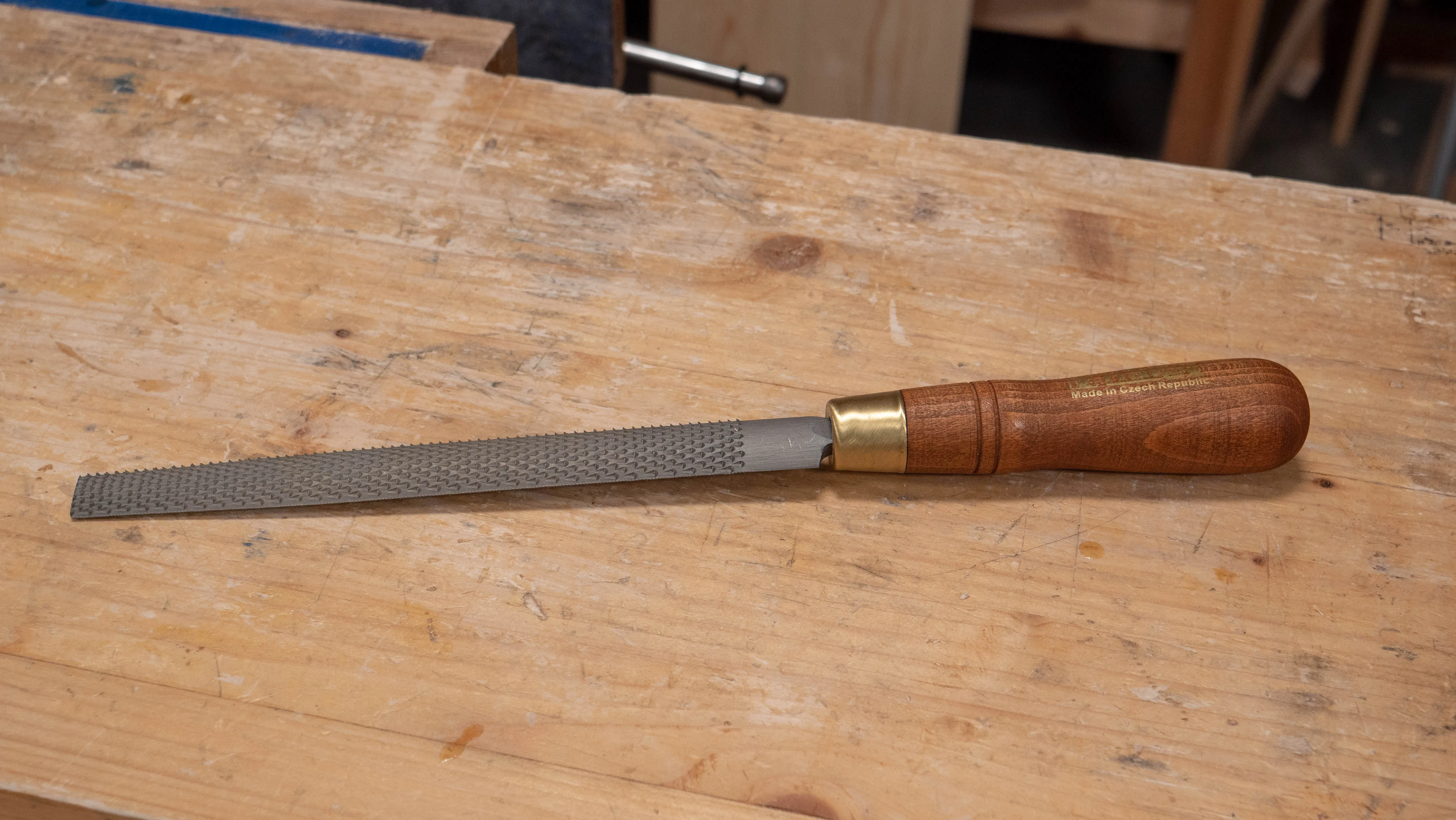
Uses
Rasps are used to remove material quickly. Usually they do not produce as smooth a surface as a file. They are most useful in removing large and small bumps and for rounding sharp edges and corners. They can be especially useful in shaping end grain and other areas that are difficult to work with planes, chisels or saws. Rounded rasps are useful when working with concave areas in wood.
Terminology
- Stitching - This is the process by which a small punch is used to create an indent in the steel face of the rasp, raising a part of the steel to create a tooth. This process can either be done by machine or by hand
- Teeth - These are the small raised cutting edges on the surface
Types of Rasps
- Rasp
- Cabinet Rasp (Used for finer work, often tapered at the end to reach smaller places)
Parts of a Rasp
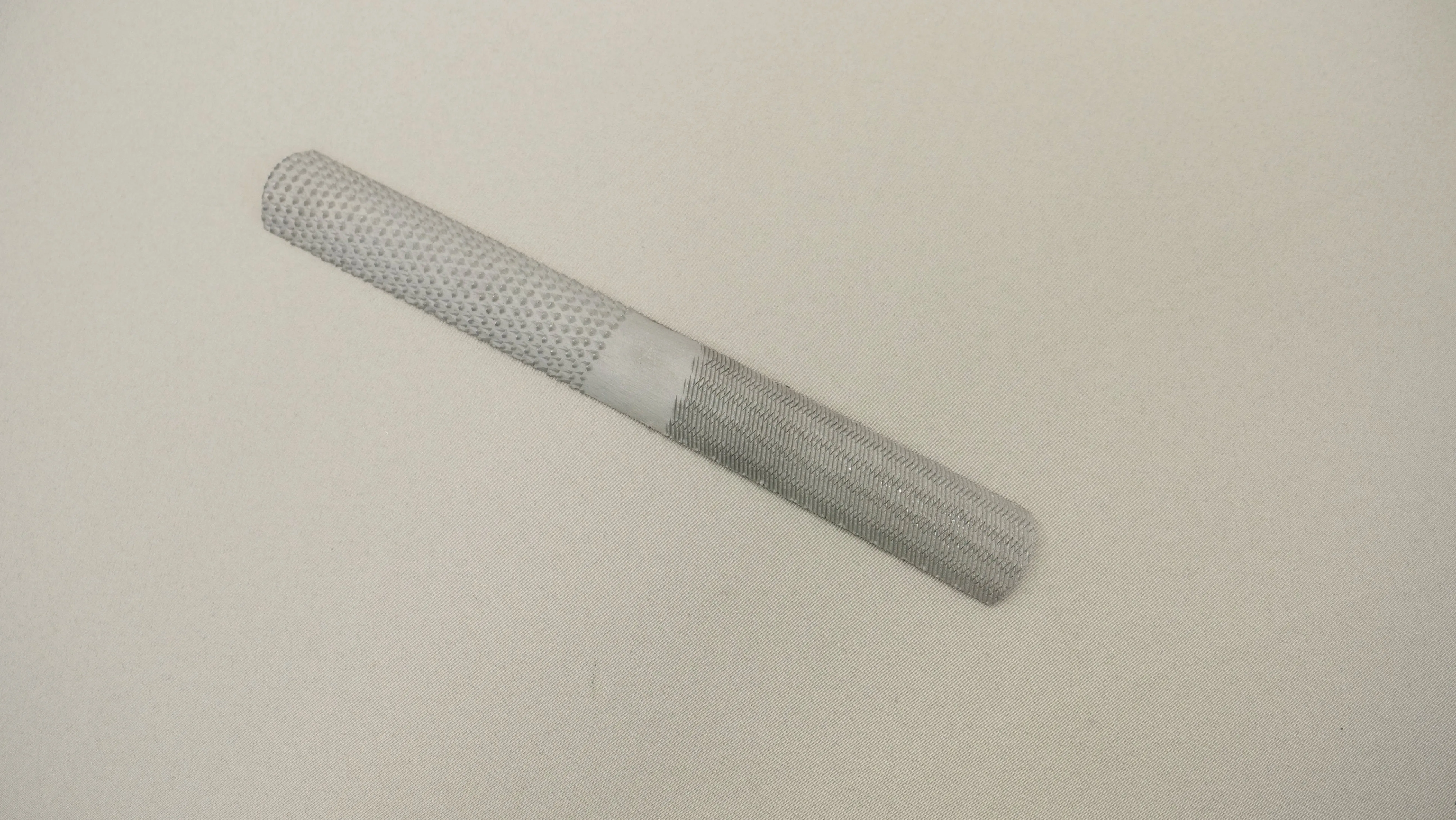
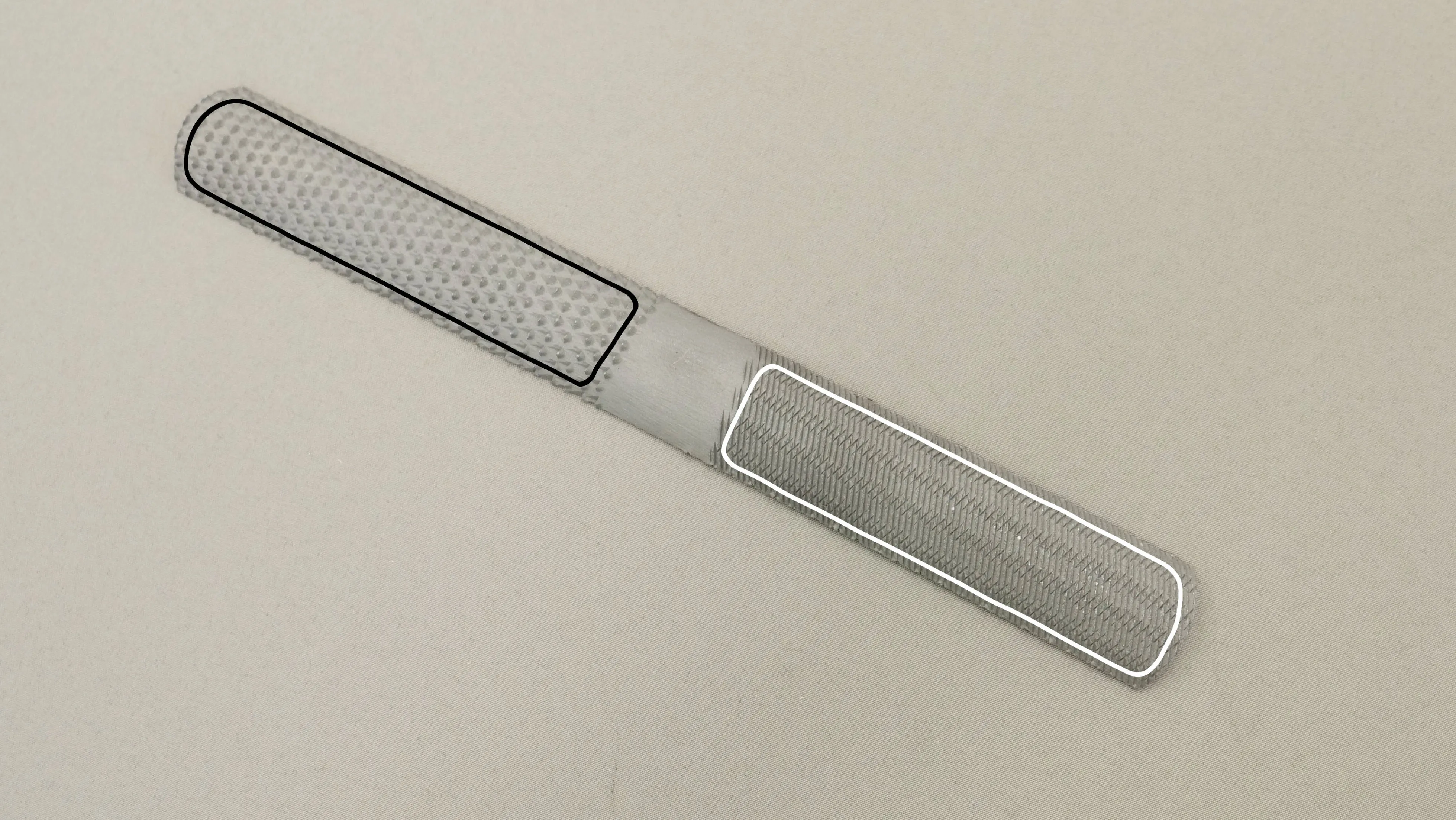
● Rasp
◎ File
Further Reading
To read more on this we recommend the following from Paul’s blog:
A Rasp By Liogier
Aurou Rasps- Good on The Wood and Good in the Hand
Rasps and Wood- Two Key Ingredients