The File Guide
Files have teeth which span the width of the working face on a diagonal slant. The teeth come in different sizes which affects the depth of the gullets and thereby the depth the file teeth cut into...
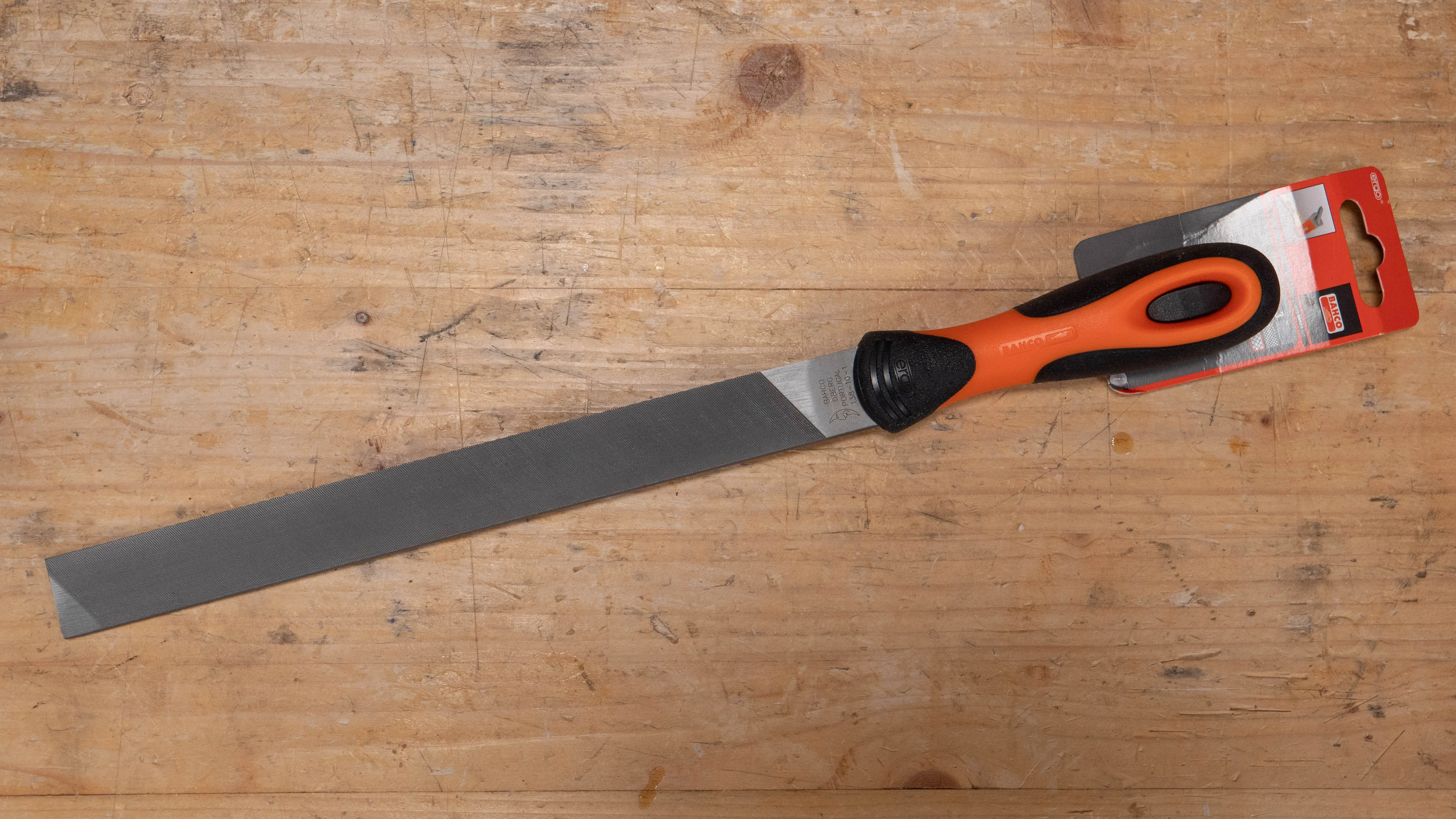
Files have teeth which span the width of the working face on a diagonal slant. The teeth come in different sizes which affects the depth of the gullets and thereby the depth the file teeth cut into the material. If the teeth are very small and close together (smooth or second cut), this may cause the teeth to clog up with the material being filed. Larger teeth means that the teeth are more widely spaced apart and we usually refer to this as a bastard cut (rough cut) file. Paul usually uses a single cut file, which have teeth in one direction, but there are also files which have teeth in two directions so that they create a crossover pattern, this is referred to as double-cut.
Uses
Files are used to shape and refine different materials. In the right circumstances and with correct use they can create a beautifully smooth surface. They are especially useful in smoothing difficult to work surfaces, such as rounds on the end grain of wood and metals, too. They are often used to refine carving in wood. The different tooth sizes and patterns determine how much material you remove.
Terminology
Gullets - Grooves between the teeth on the file. They can get clogged up.