The Combination Gauge Guide
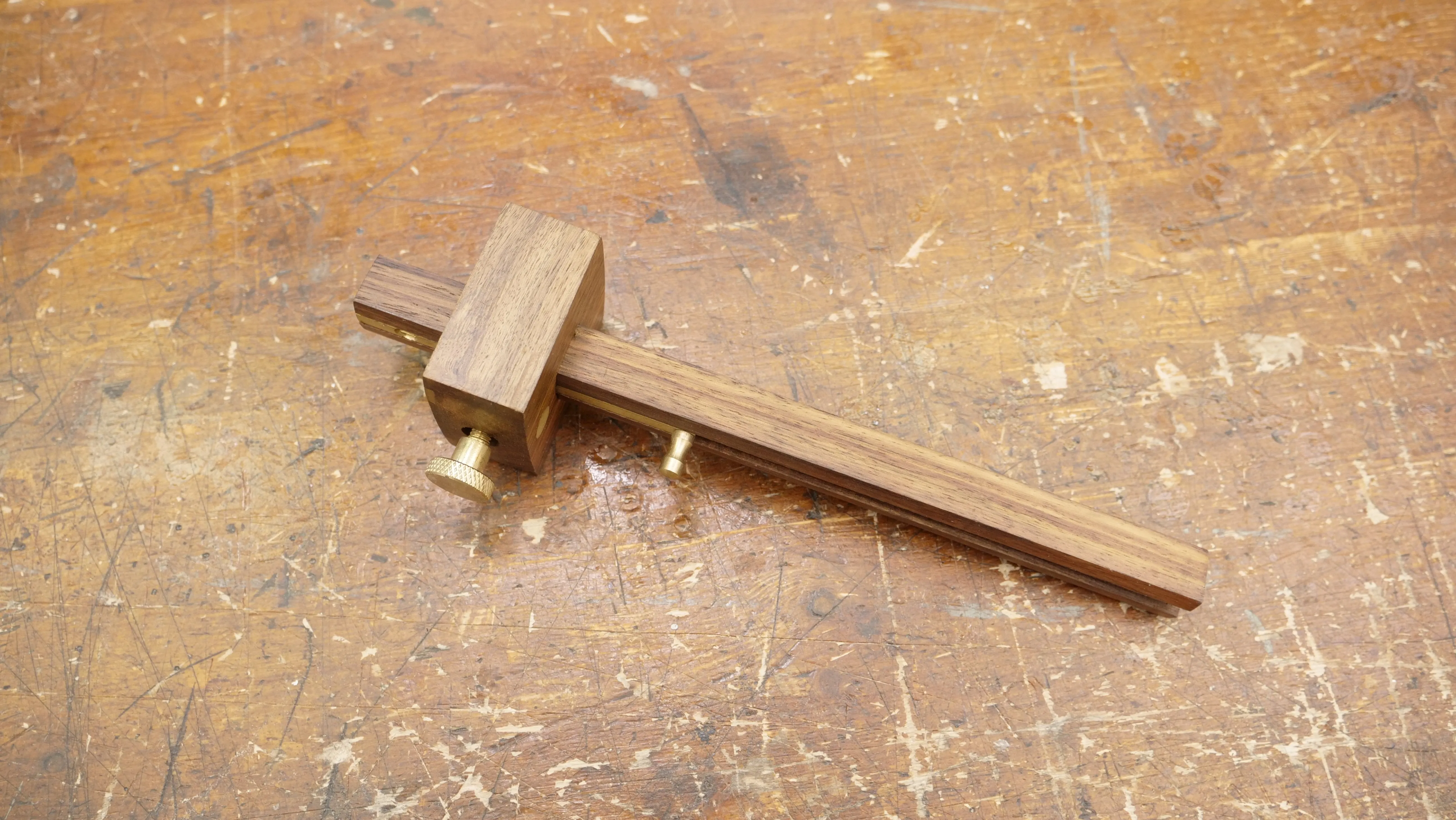
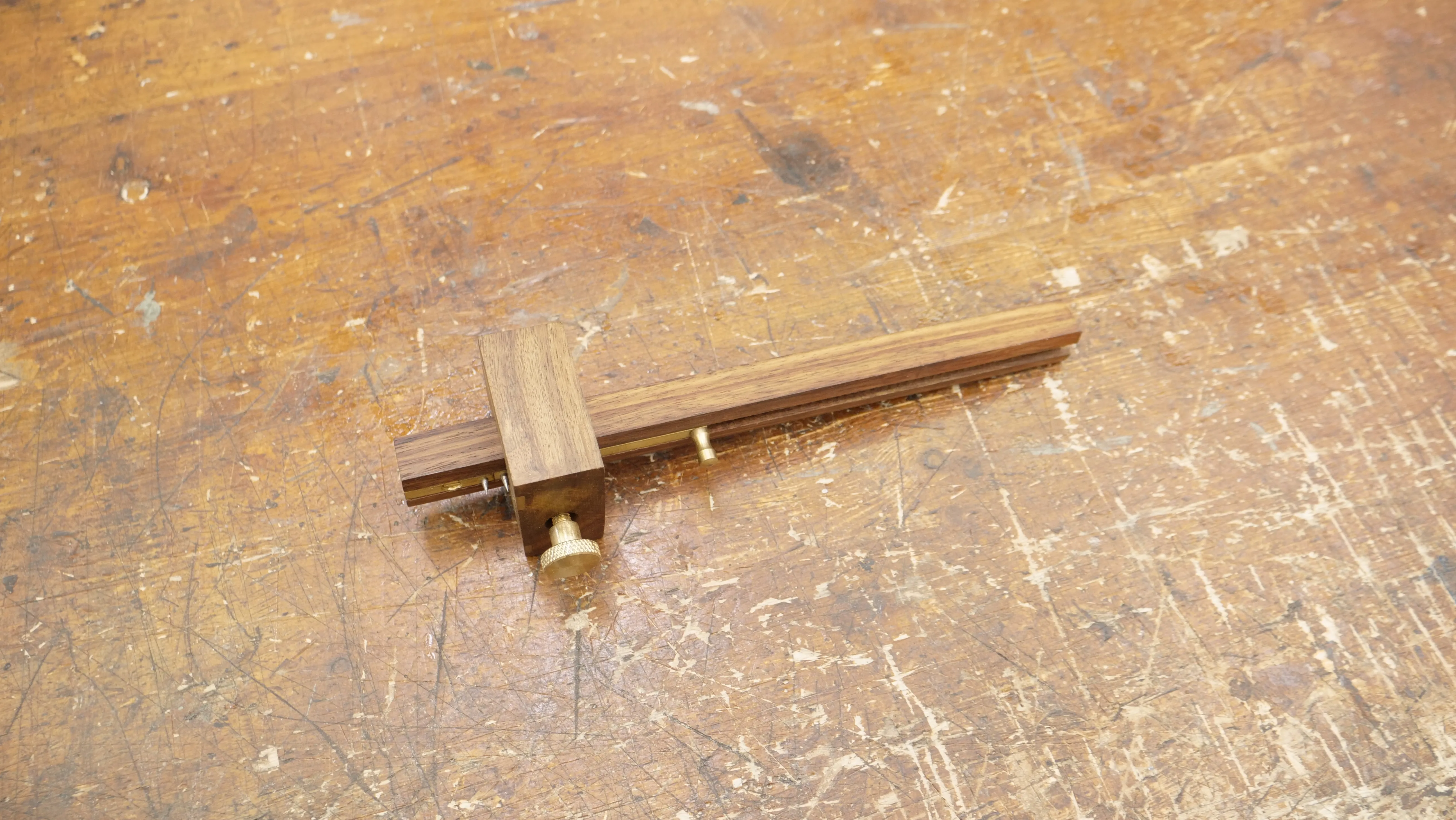
The combination gauge has 4 main parts: the wooden stem, the wooden stock, the setscrew and the marking pins. The stock has a lock system on it to allow it to keep the distance from the pin. This e...
The combination gauge has 4 main parts: the wooden stem, the wooden stock, the setscrew and the marking pins. The stock has a lock system on it to allow it to keep the distance from the pin. This enables you to mark exactly the right location. The reason this is called a ‘combination gauge’ is because it combines the functionality of two very similar tools, the marking gauge and mortise gauge. The marking gauge has one pin and the mortise gauge has two. In a combination gauge the the single pin is one side of the stem and the double-pin mechanism is on the other side.
Uses
The combination gauge is used to mark parallel lines lightly on the surface of wood. The twin pin side can be used to mark out the width and position for a mortise and tenon joint. The single pin side is used to mark the depth for recesses or the width or thickness of a board when sawing or planing it to size. There are a wide variety of other marking functions that this tool is useful for. The combination gauge is very important in creating accurate joints. While you would rarely see the lines made by a gauge in a finished piece of furniture, they make accurate joinery much easier.
Terminology
Types of Gauges
The combination gauge is a mixture of 2 traditional gauge types:
Parts of the Combination Gauge
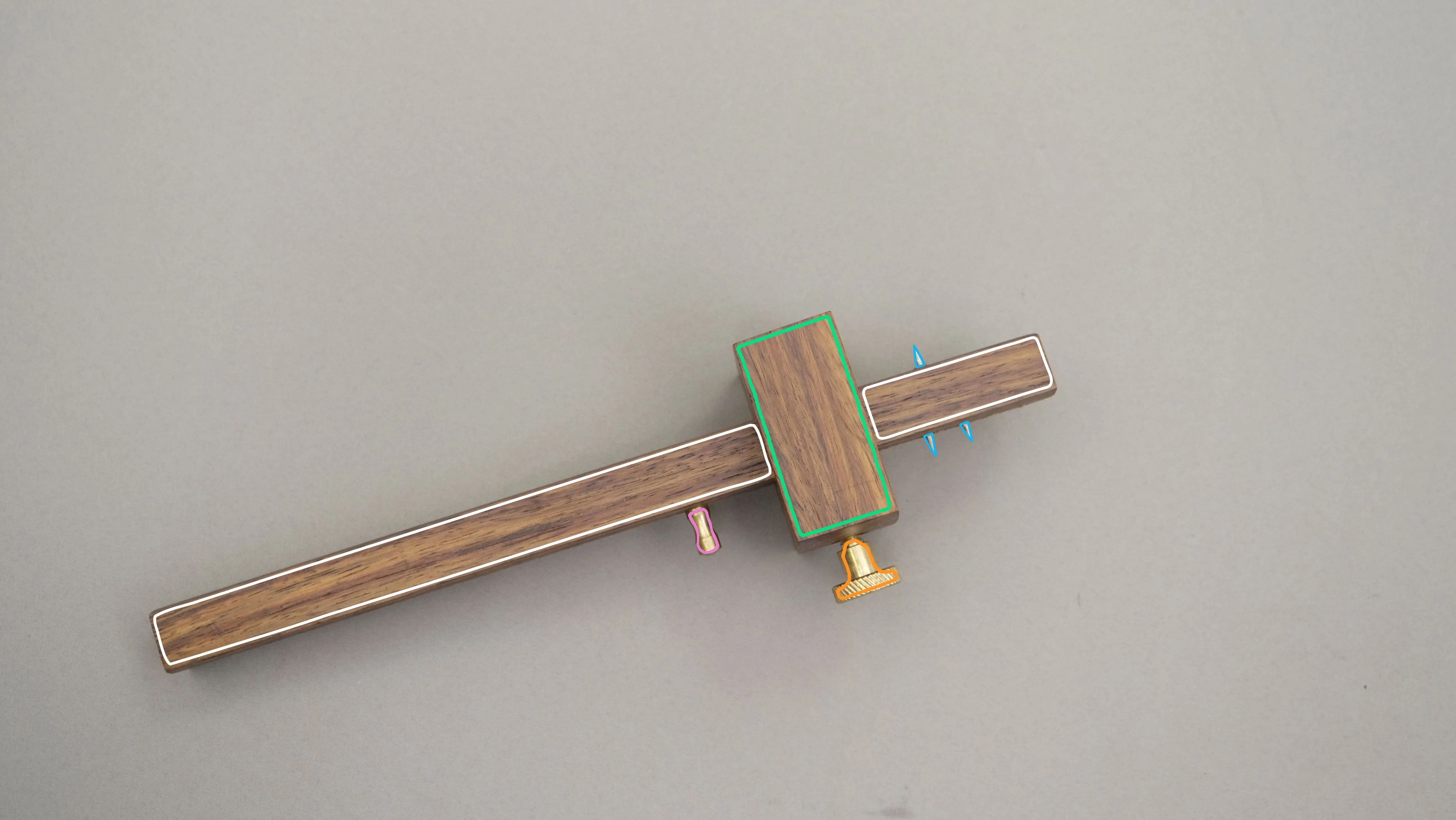
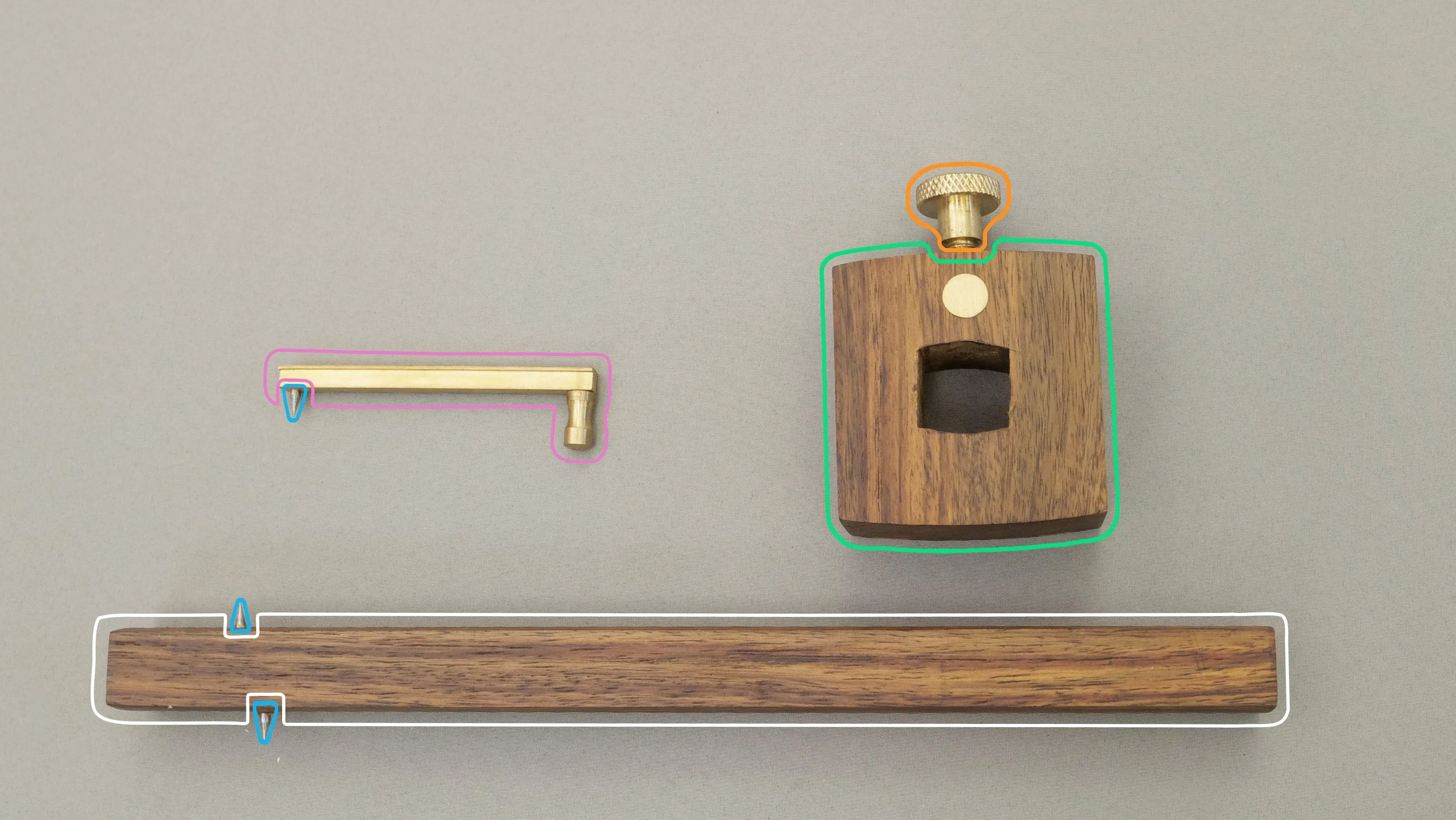
● Stock
◎ Stem
● Pin Bar
● Locking Screw
● Pins
Relevant Guides
Further Reading
To read more on this we recommend the following from Paul’s blog:
My Minimalist Tool List- The Combination Gauge
On Marking Gauges Part I- Old and New
Marking Gauges Part II- Mortise Gauges and More
Mortise Gauges to Look For
Another Point of Mortise Gauges
Buying Good Tools Cheap- Marking Gauges