The Card Scraper Guide
The card scraper is a plate of sheet steel which is sharpened along the full length of the long edges and relies on careful precision throughout the sharpening process. The card scraper performs mu...
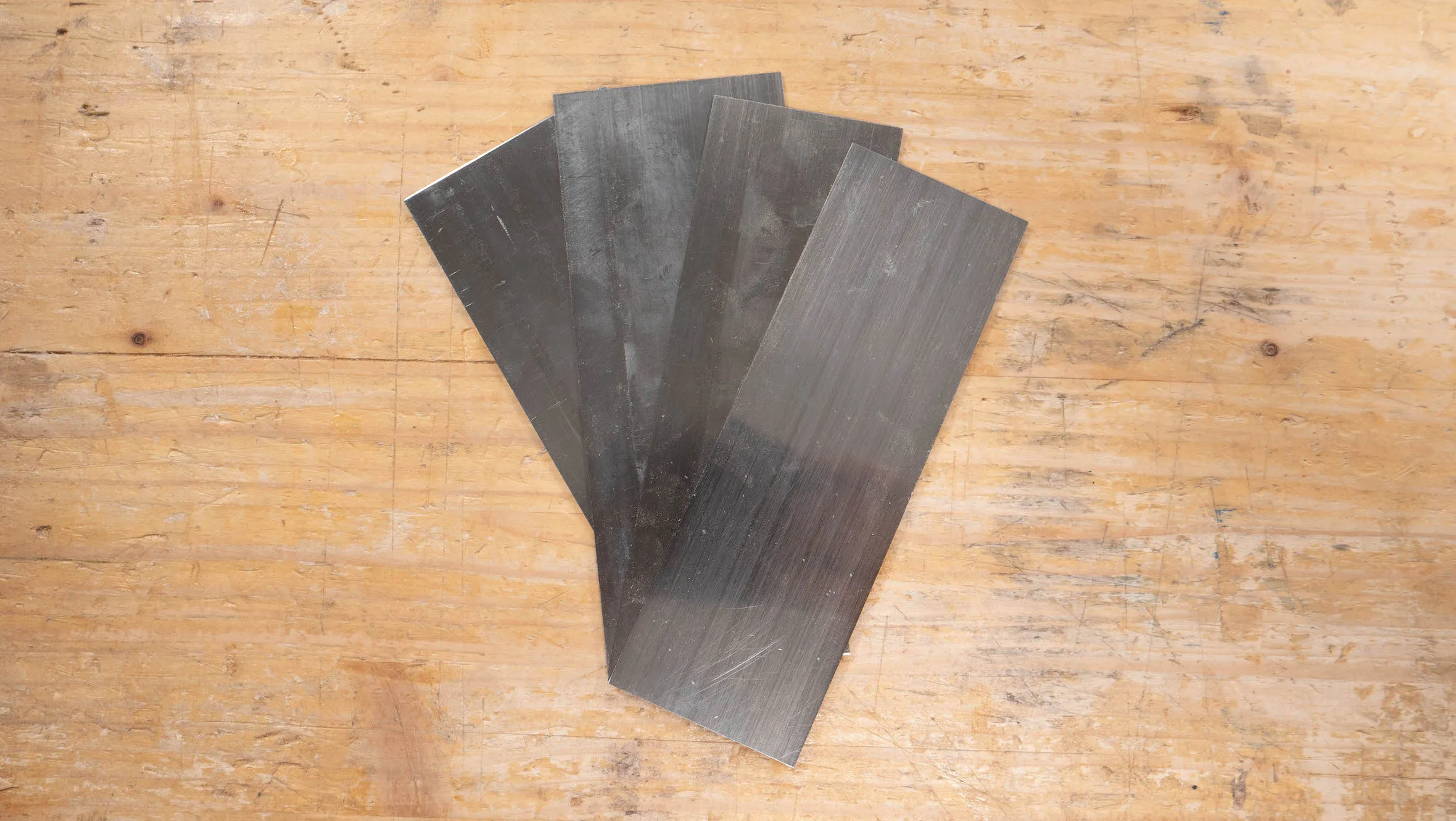
The card scraper is a plate of sheet steel which is sharpened along the full length of the long edges and relies on careful precision throughout the sharpening process. The card scraper performs much the same tasks as the #80 scraper (cabinet scraper) and both blade types are made from plate steel. Their blades are sharpened differently, however. The card scraper has a burr on each corner of both the long edges. This burr creates the shavings which curl upwards from beneath the hook of the cutting edge. The slicing cuts reduce the tearout often associated with hand planing. Using the card scraper results in a finished surface that often eliminates the need for heavy sandpaper use. It can be used to create a smooth surface on awkward grain in a way that you cannot achieve with any other tool. The card scraper also allows you to focus on one small area, taking off very small amounts of material without having to remove any from the surrounding areas to even it out. This is especially useful when removing minor defects or surface marks.
The card scraper can be reshaped to suit a hollow or spoon bowl. This doesn’t take long and is perfect for shaping. This is known as a ‘curved’ or ‘round’ scraper. To see how to make a rounded card scraper, click here.
Uses
The two-thumb method is often used on narrower boards when your knuckles have room either side of the board. But, on larger pieces the heel-of-the-hand method may well work better. The scraper is used to create a smooth finish on a wood surface. The card scarper’s flexibility means it can be used on curves and edges, whereas the #80 scraper cannot be used in the same way due to the blade holder.