The #80 Scraper Guide
Commonly mistaken for an oversized spokeshave, the #80 scraper slices the wood in a similar way to, but not the same as, a plane. Despite the tool’s name, the scraper does not scrape as such, but c...
Commonly mistaken for an oversized spokeshave, the #80 scraper slices the wood in a similar way to, but not the same as, a plane. Despite the tool’s name, the scraper does not scrape as such, but cuts ultra fine shavings. This double handled tool is used in a push motion to remove very fine sections of surface material. As the #80 scraper slices so thinly, it can be used as an alternative to sandpaper to finish. The finish can sometimes end up too smooth and you might need to go over the wood with sandpaper to add surface texture (tooth) which allows paint, varnish and other finishes to stick.
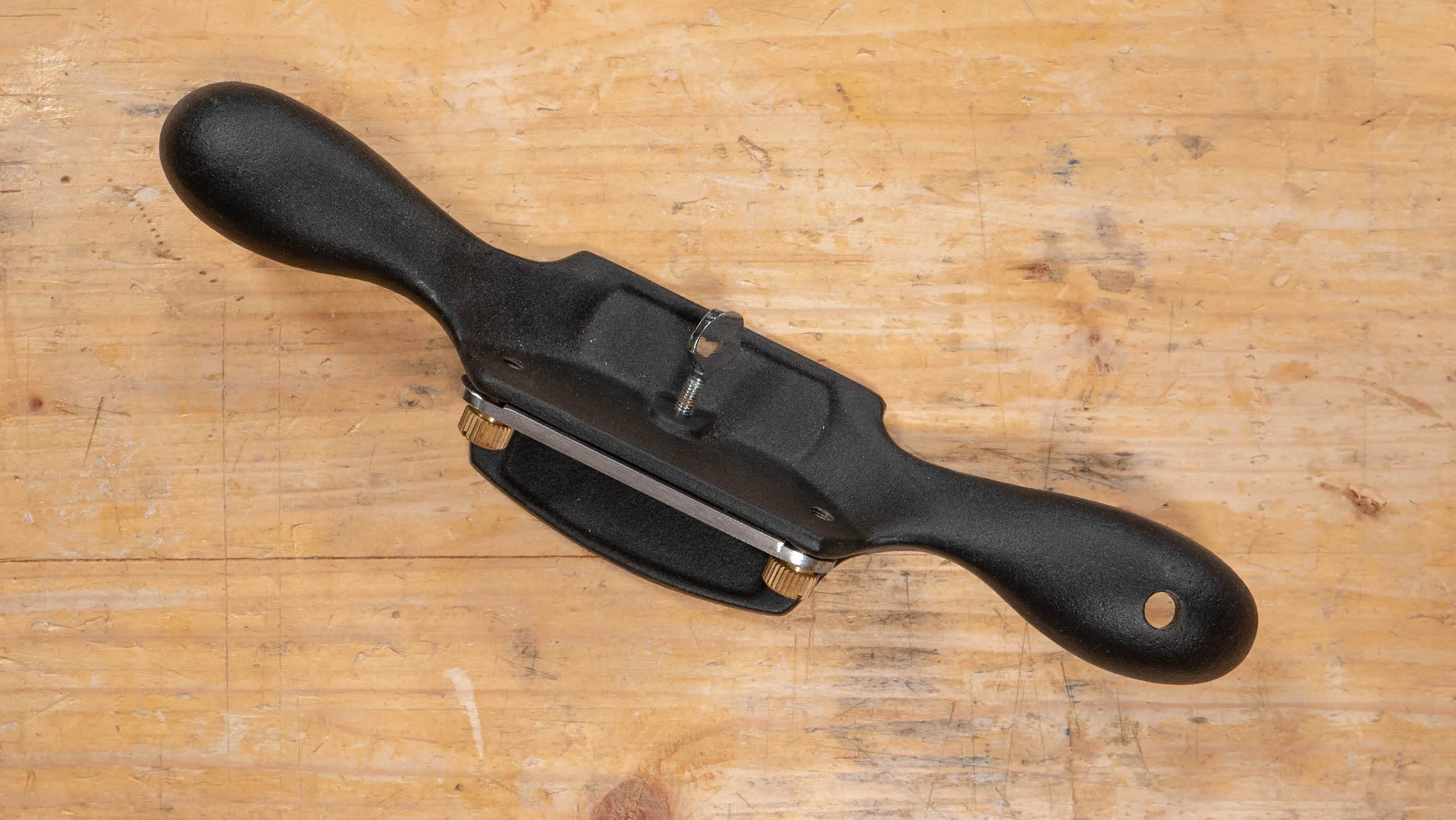
Uses
This tool is ideal for smoothing a small area on a near-finished project. For instance, if there were a small defect in the middle of a table top, a scraper can be used without much risk whereas using a plane may result in torn grain. A scraper only takes fine shavings, so it is not used for generally changing the shape of boards or preparing rough stock for use. However, it can often be used to remove small undulations more easily than a plane. This works particularly well on difficult grain, such as that which surrounds branches, where the grain becomes more varied rather than straight. Difficult grain is often encountered in what is known as ‘figured woods’ which have a diverse grain pattern, like curly maple and others. As a scraper can work against the grain, it can help to create a smooth surface, even between narrower boards with varying grain direction. Due to the housing that contains the blade, this #80 scraper can be used to level a surface with minor surface bumps. However, it is also limited by its holder and cannot be focussed to quite the same level as the card scraper, which can be used over a finer and much more localised area.
Terminology
Other names
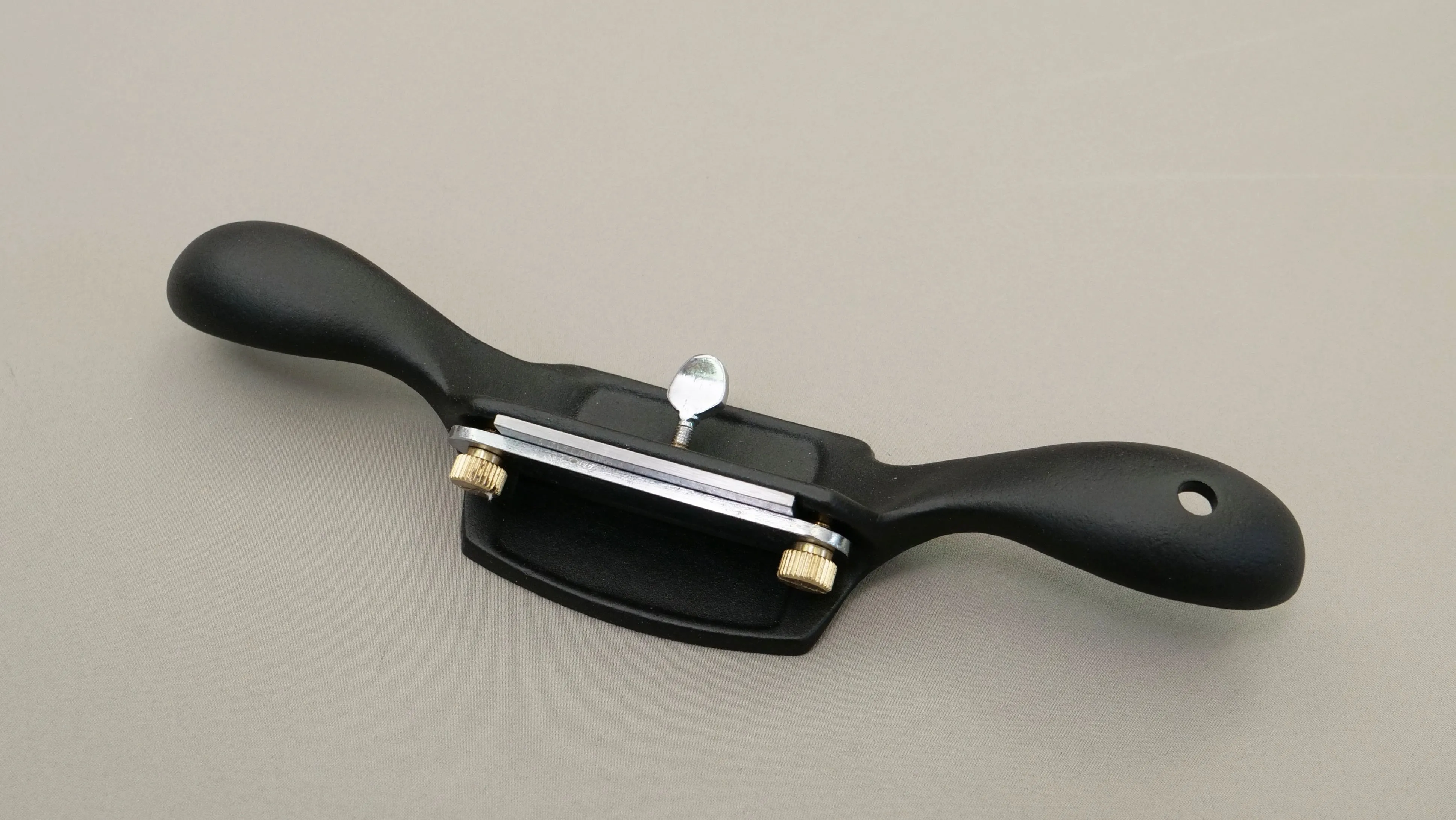
Parts of a #80 Scraper
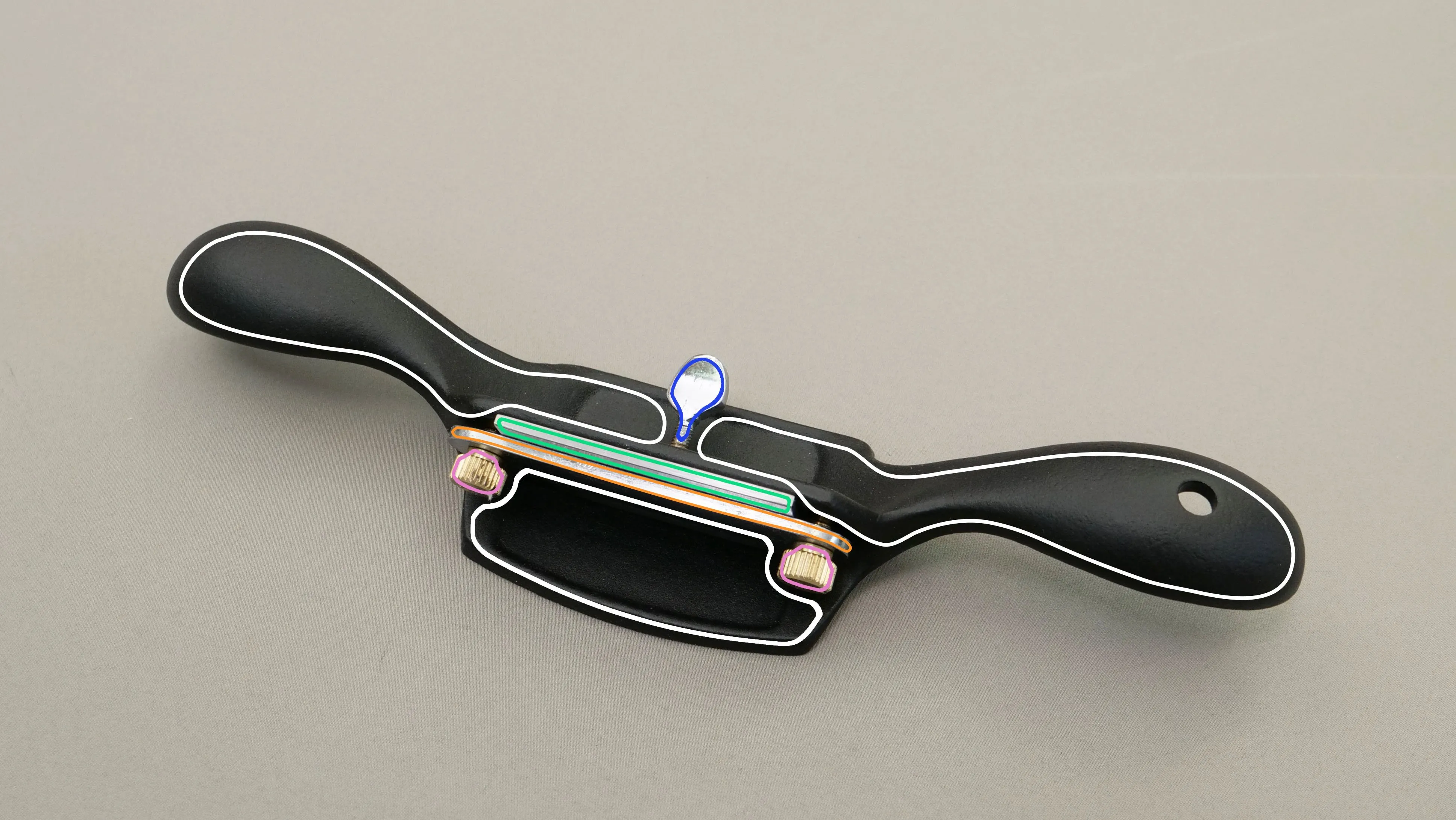
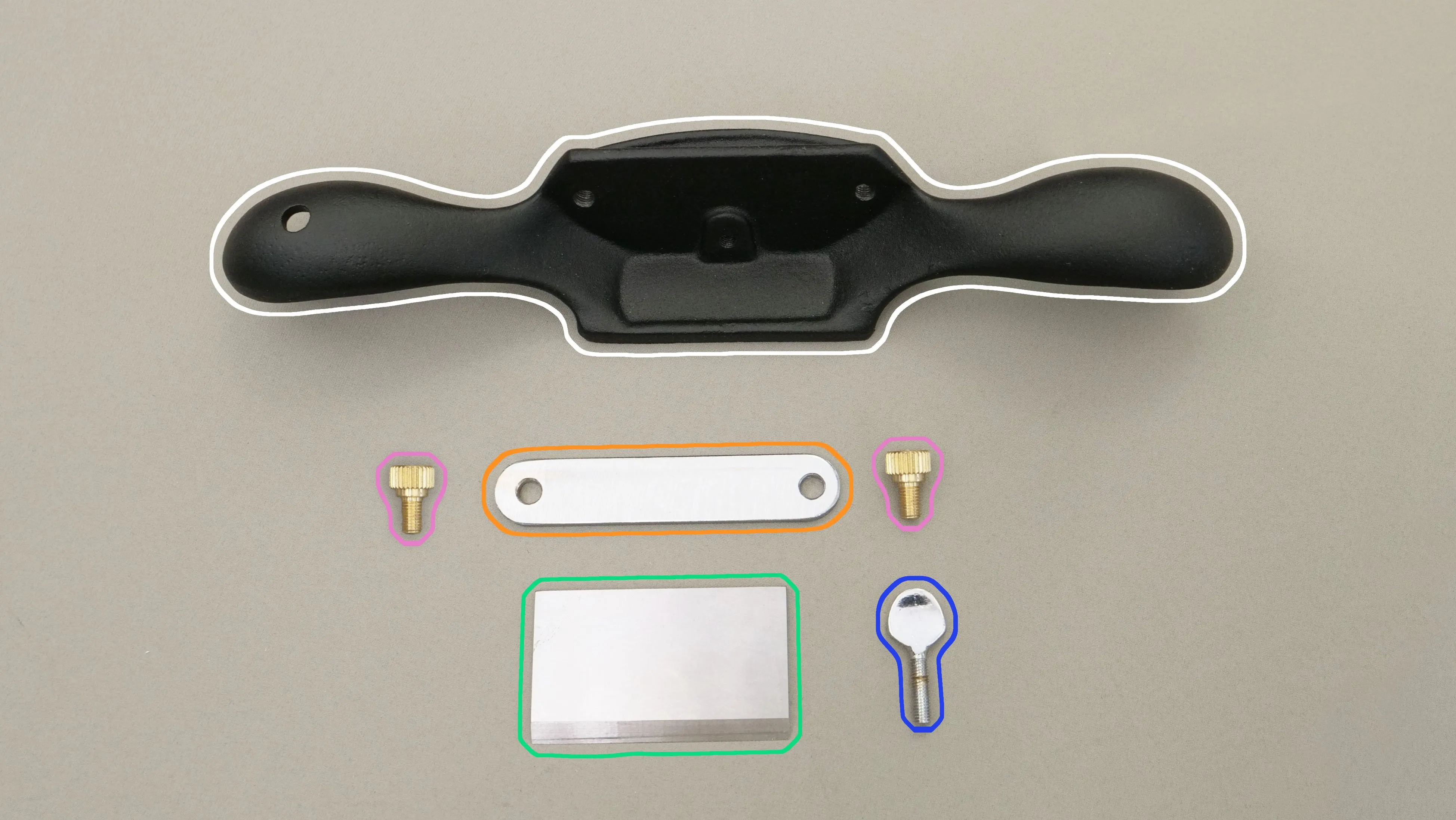
● Blade
◎ Body
● Set Screws
● Retaining Bar
● Thumb Screw
Relevant Guides
Further Reading
To read more on this we recommend the following from Paul’s blog:
Why 45° on Cabinet Scraper Blades?
Honing Guide for #80 Scraper
Axminster’s Cabinet Scraper- Uh Oh!
Cabinet Scrapers- Answering What’s Needed in Real Woodworking Realms