
Roundovers
Note: Roundovers are used on edges that have the potential to wear, splinter and break with use. Rounding these edges or corners gives you a more solid and resistant structure. Here a plane works well instead of a spokeshave as it has a longer sole to register on the wood. Also spokeshaves tend to follow any undulation in the wood instead of removing them.
For this exercise you will need:
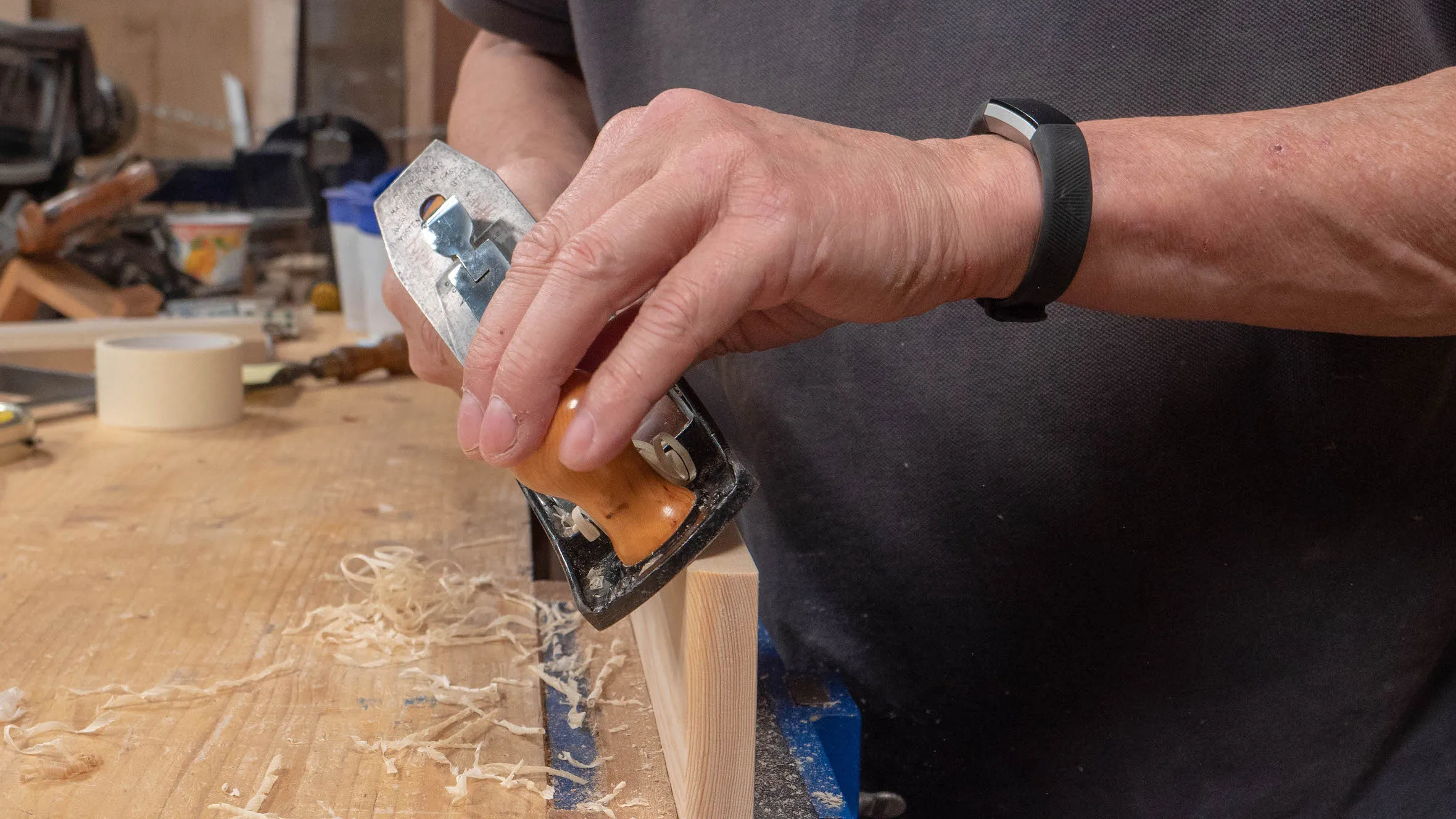
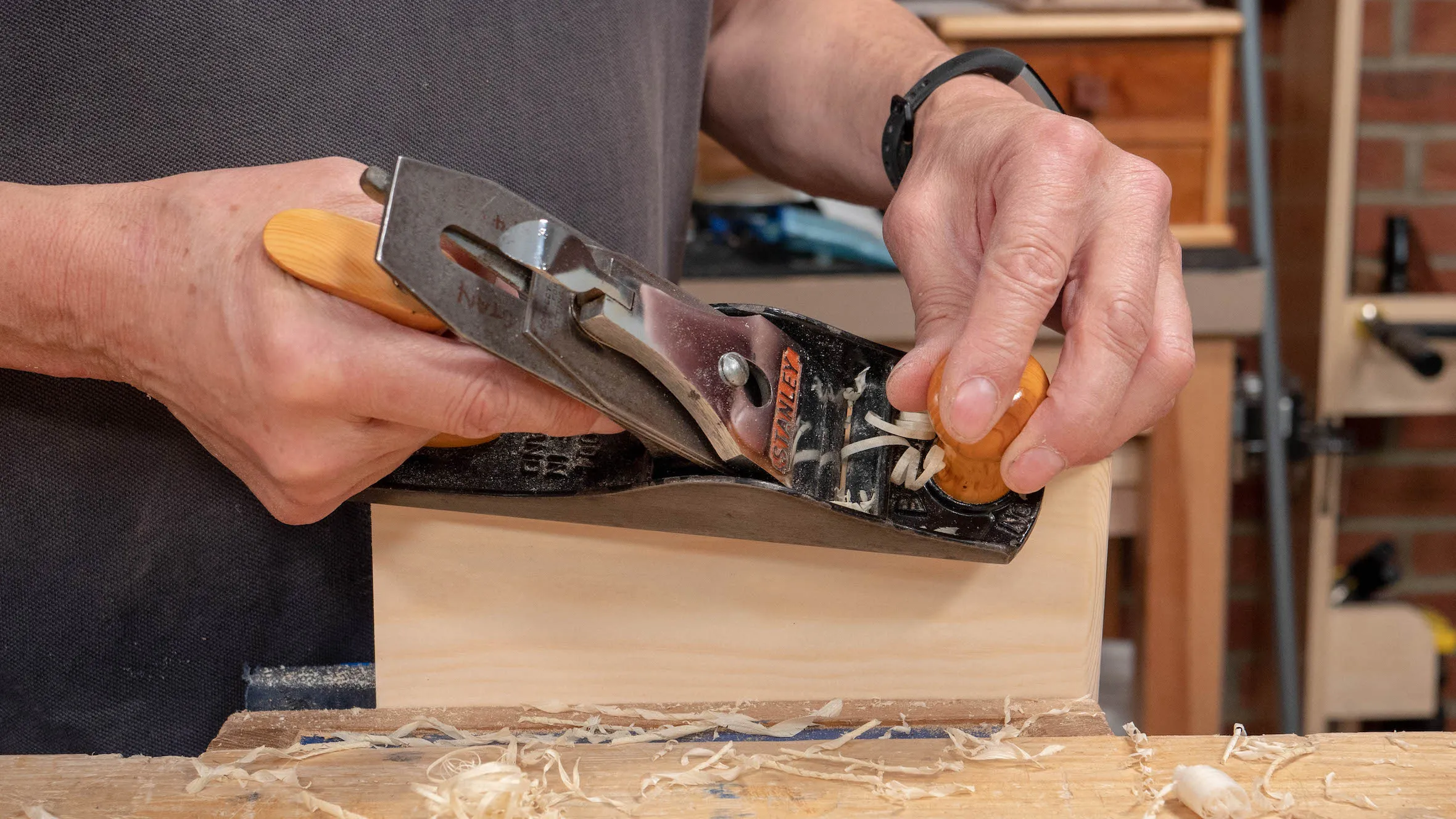
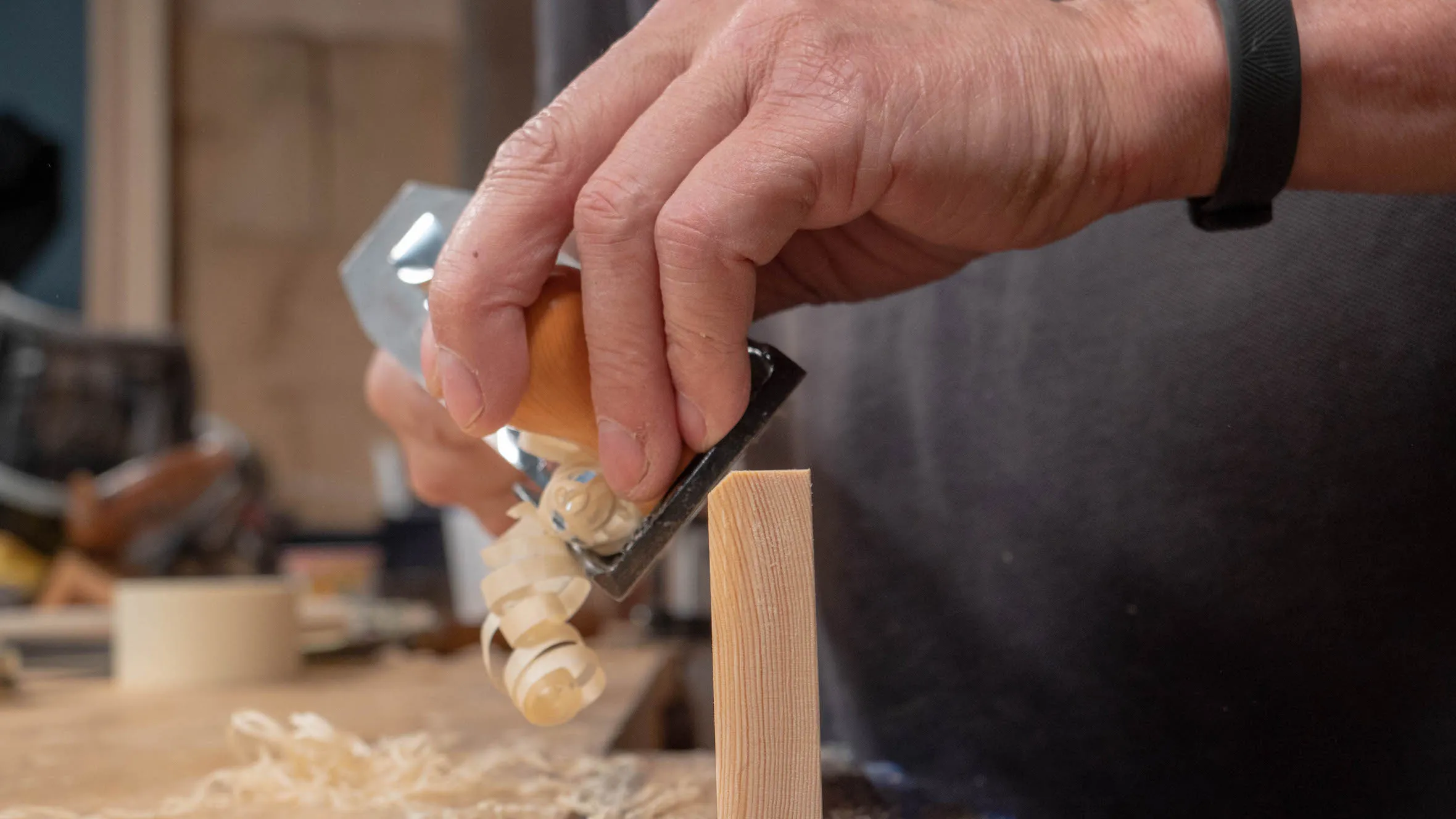
Once you have trued your wood, it is best to remove the corner of the wood first before starting to increase/decrease the angle of the plane for the roundover. Work on the end grain first so that any fracturing can be repaired when doing the long grain. Angle your plane at 45° to the wood and tilt it 45° too. Keeping the plane in this position, take a shaving from one side to the opposite side in a continuous stroke. This keeps the shaving even and also removes wood evenly too. If you see that you’ve taken off more on one side, then go back to the higher end and take some extra strokes. The 45° tilt means you will be slicing the wood rather than tearing it, which should give you a smoother finish.
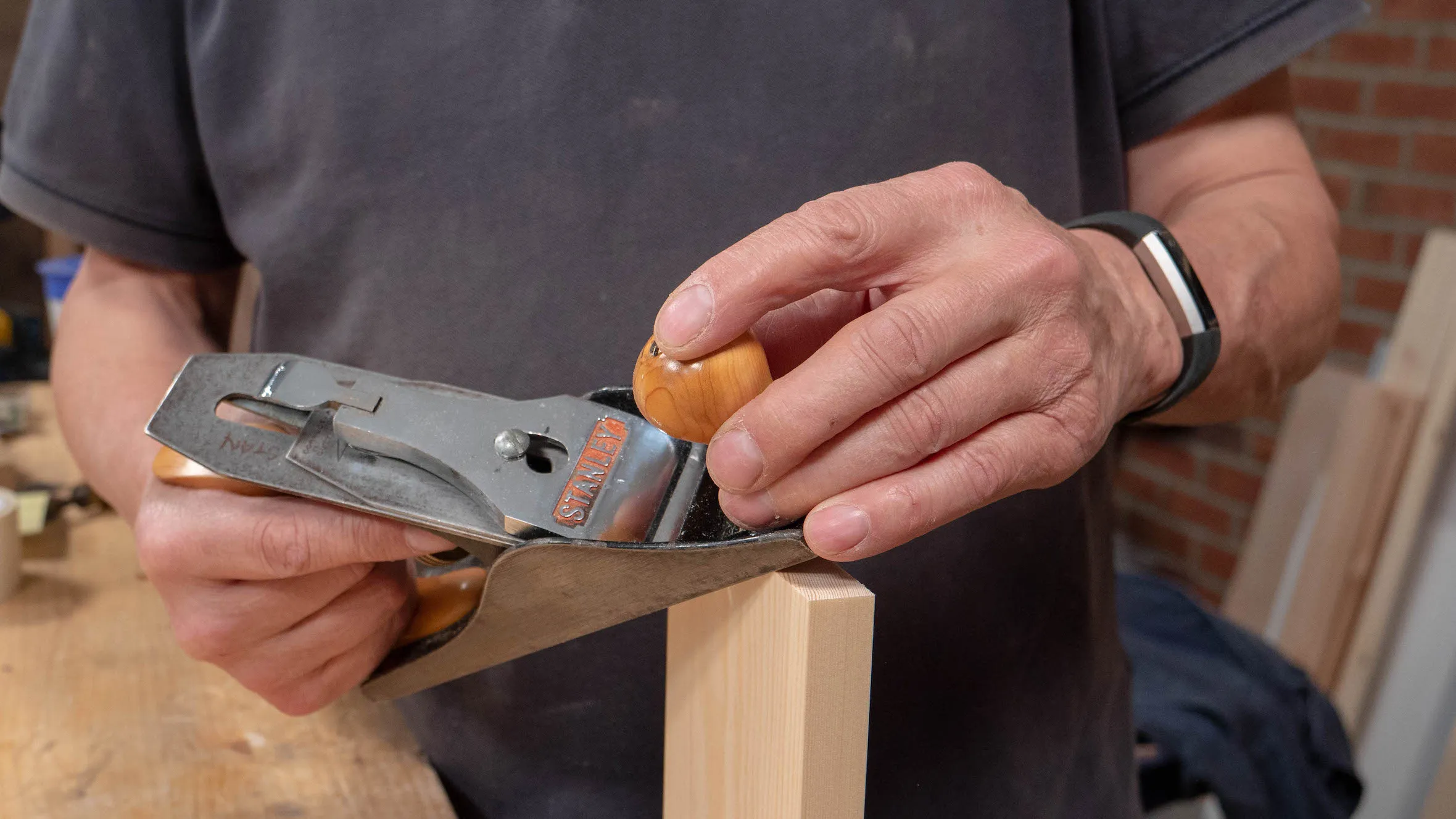
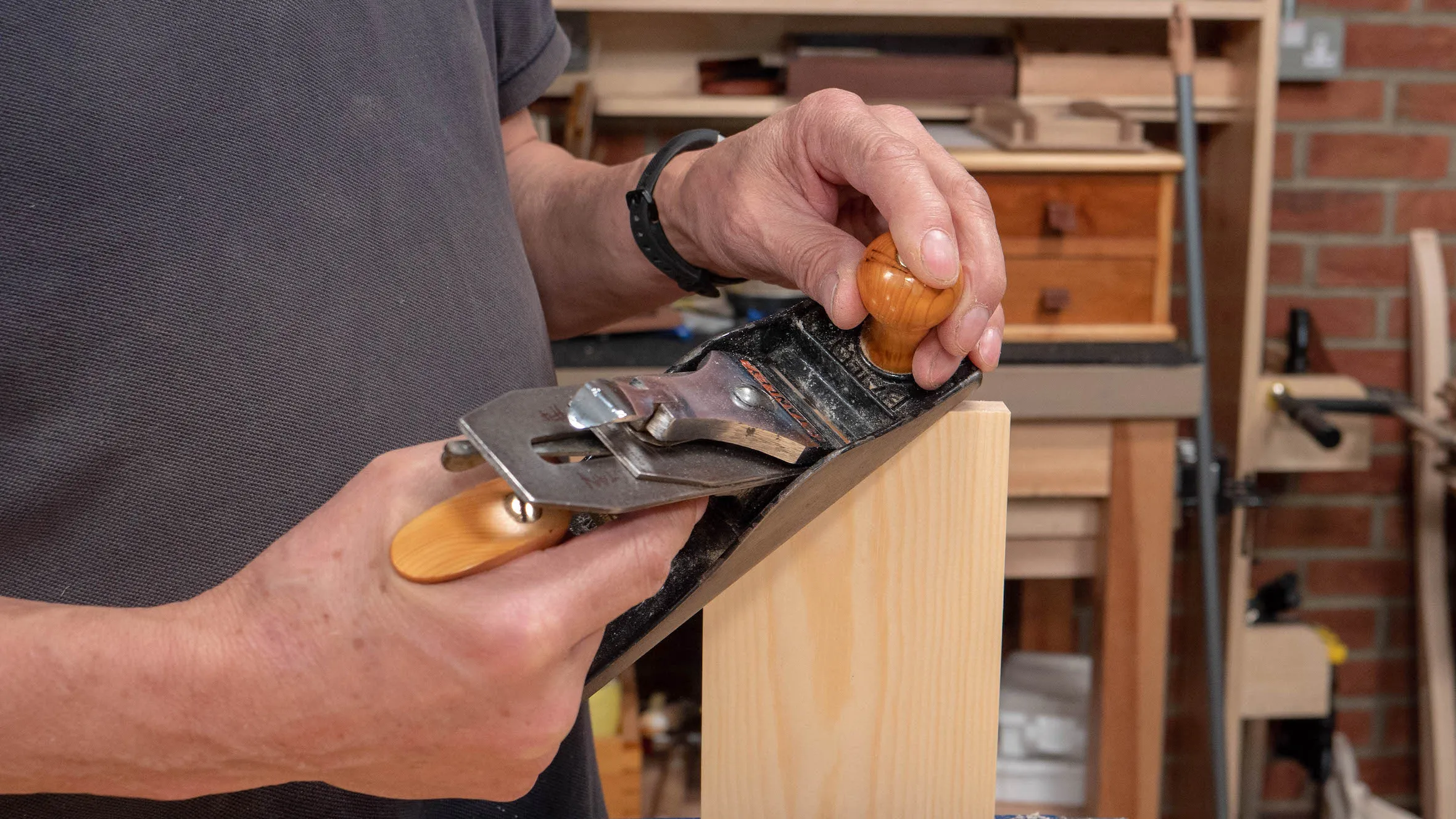
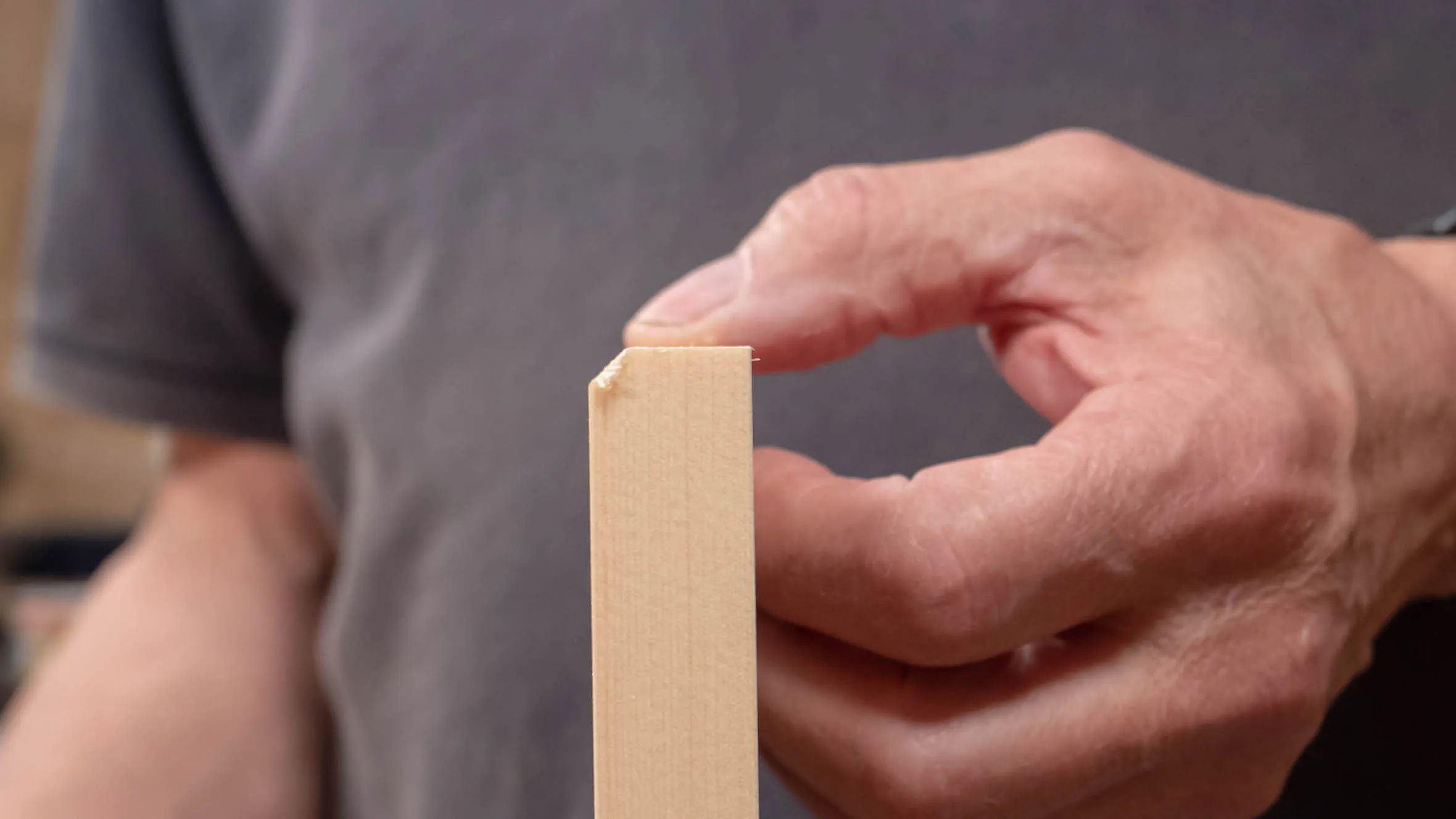
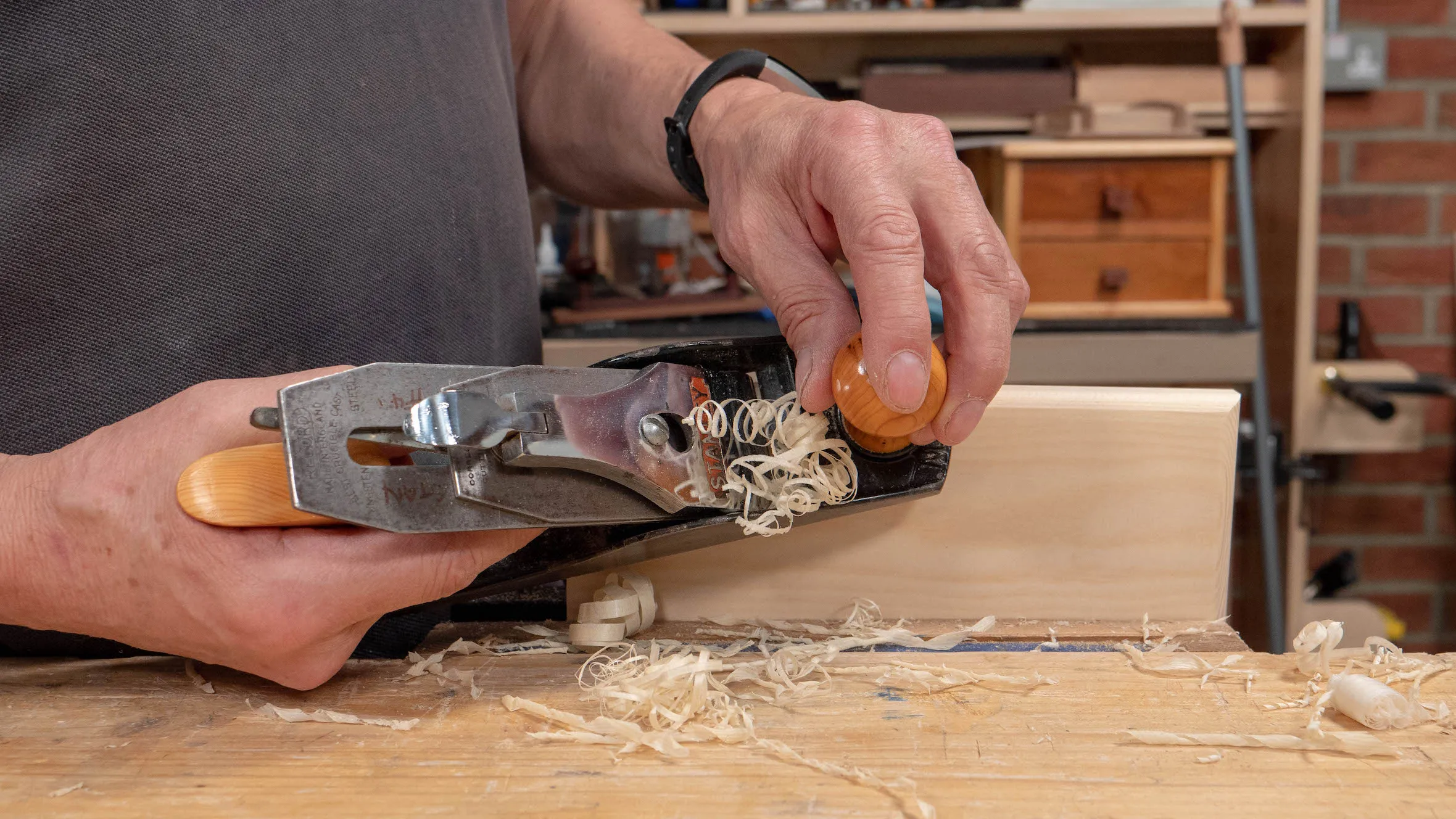
Once the corner has been taken off at roughly 45°, decrease the depth of cut by withdrawing the cutting iron into the body of the plane. Now lower the plane so it’s nearly flush with the face of your wood. Take off finer shavings while working your way up and around the 45° bevel, working this way will form the round.
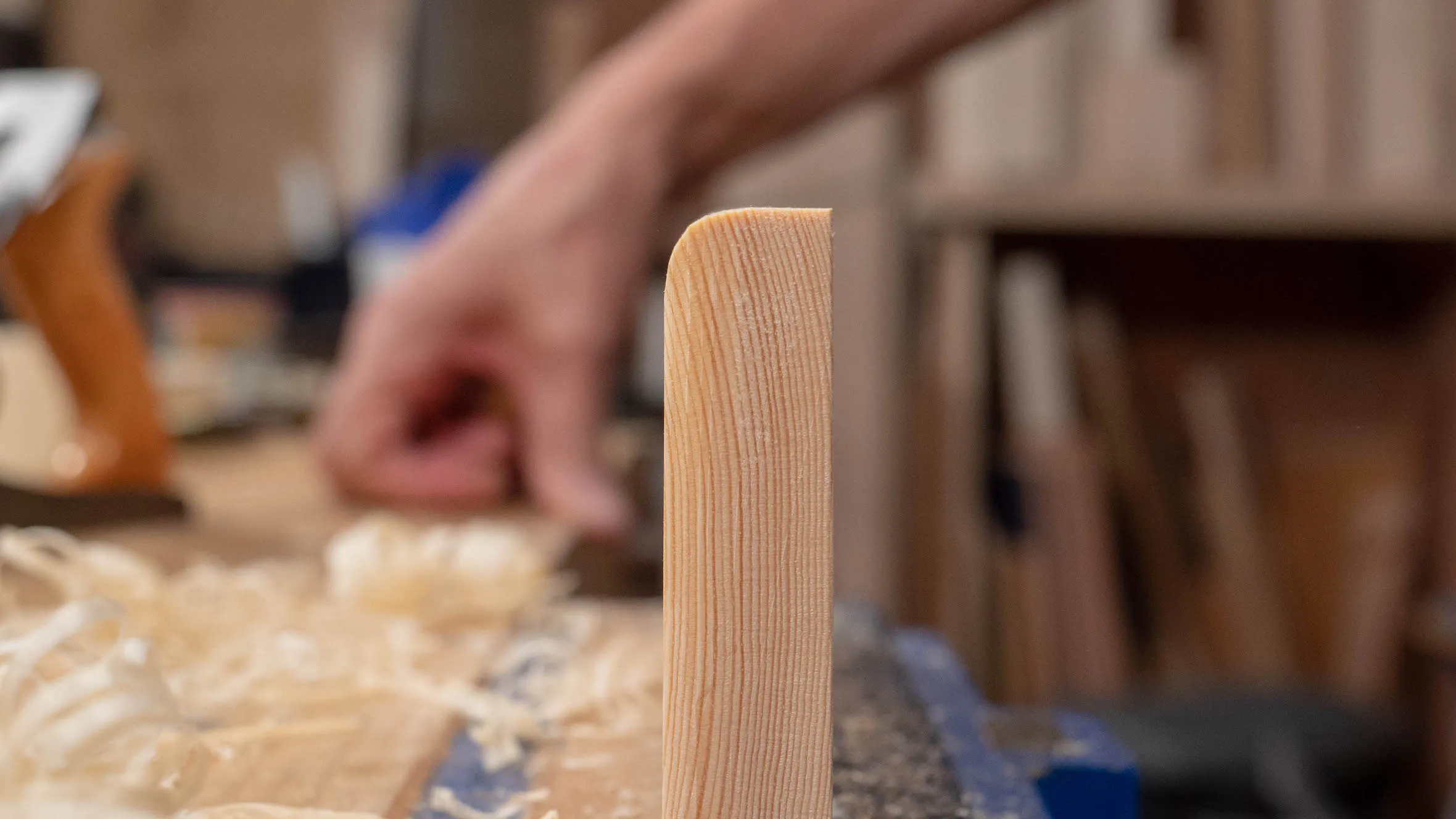
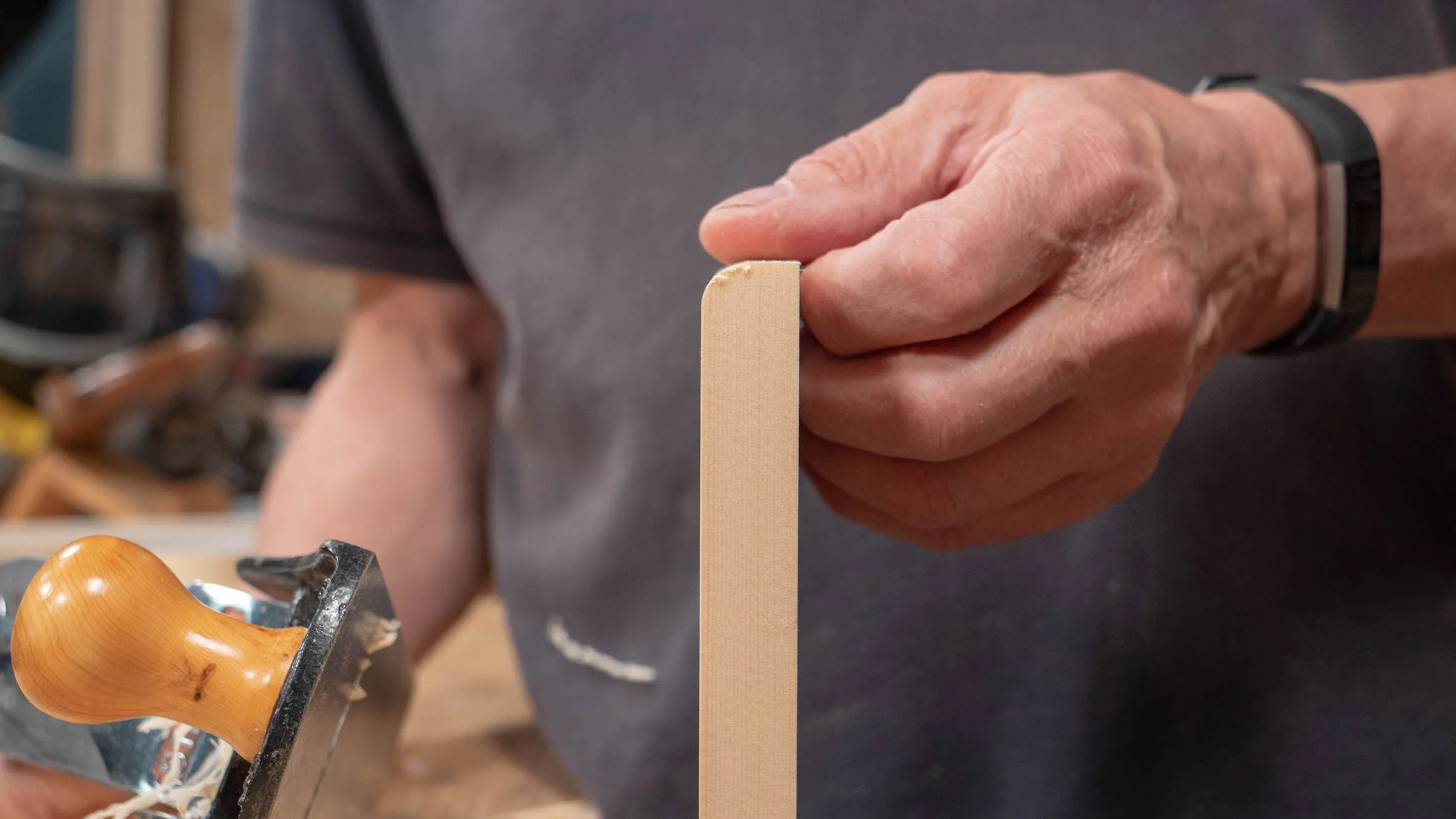 Work the plane round the corner to create a smooth roundover
When working along the grain, you can use your plane in the more common position, registering the sole along the edge of your wood to keep the shaving even. If you want to smooth out your roundover, ease the iron off even more so a very fine shaving is being taken; this should remove any ridges in the roundover.
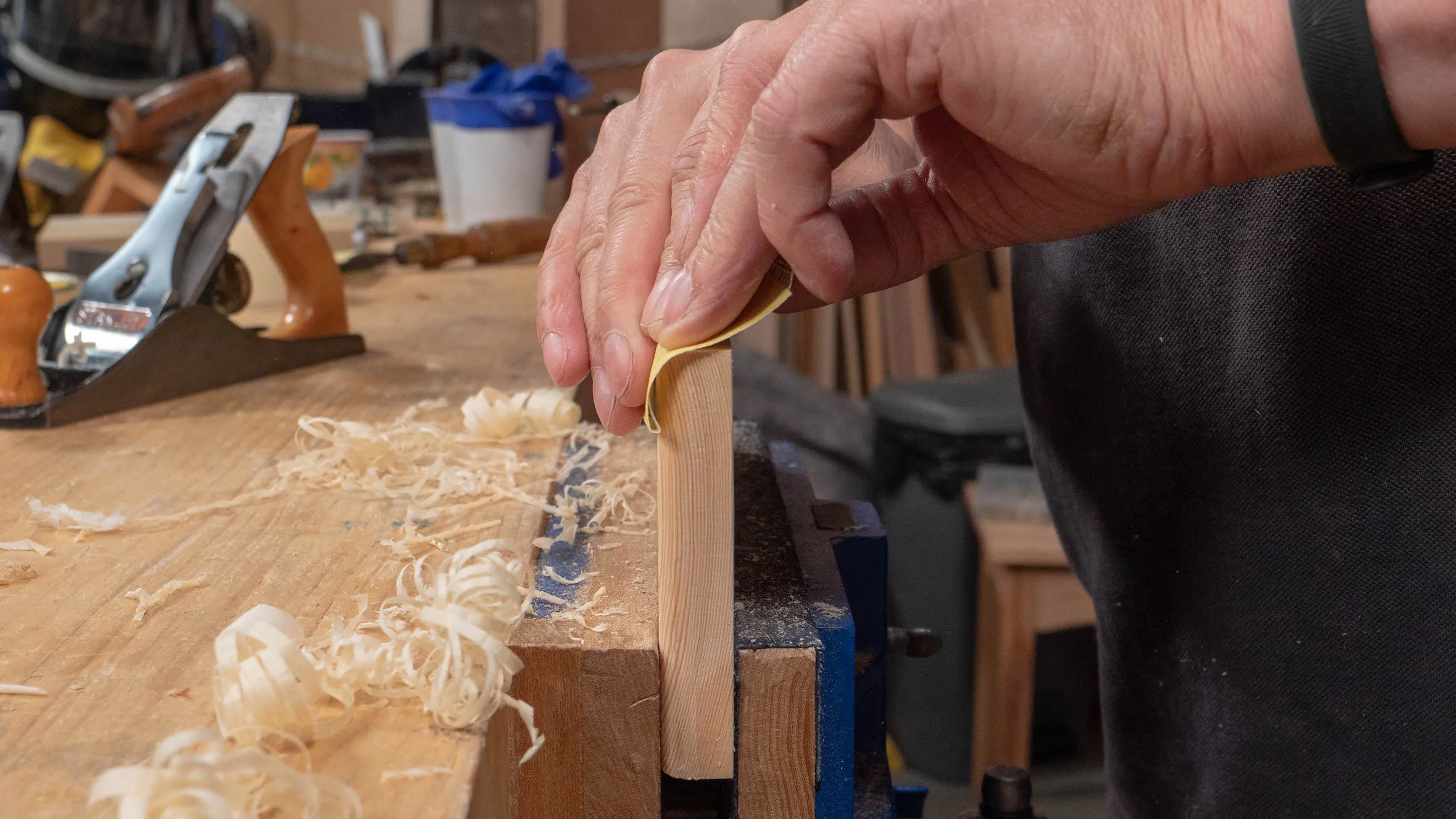
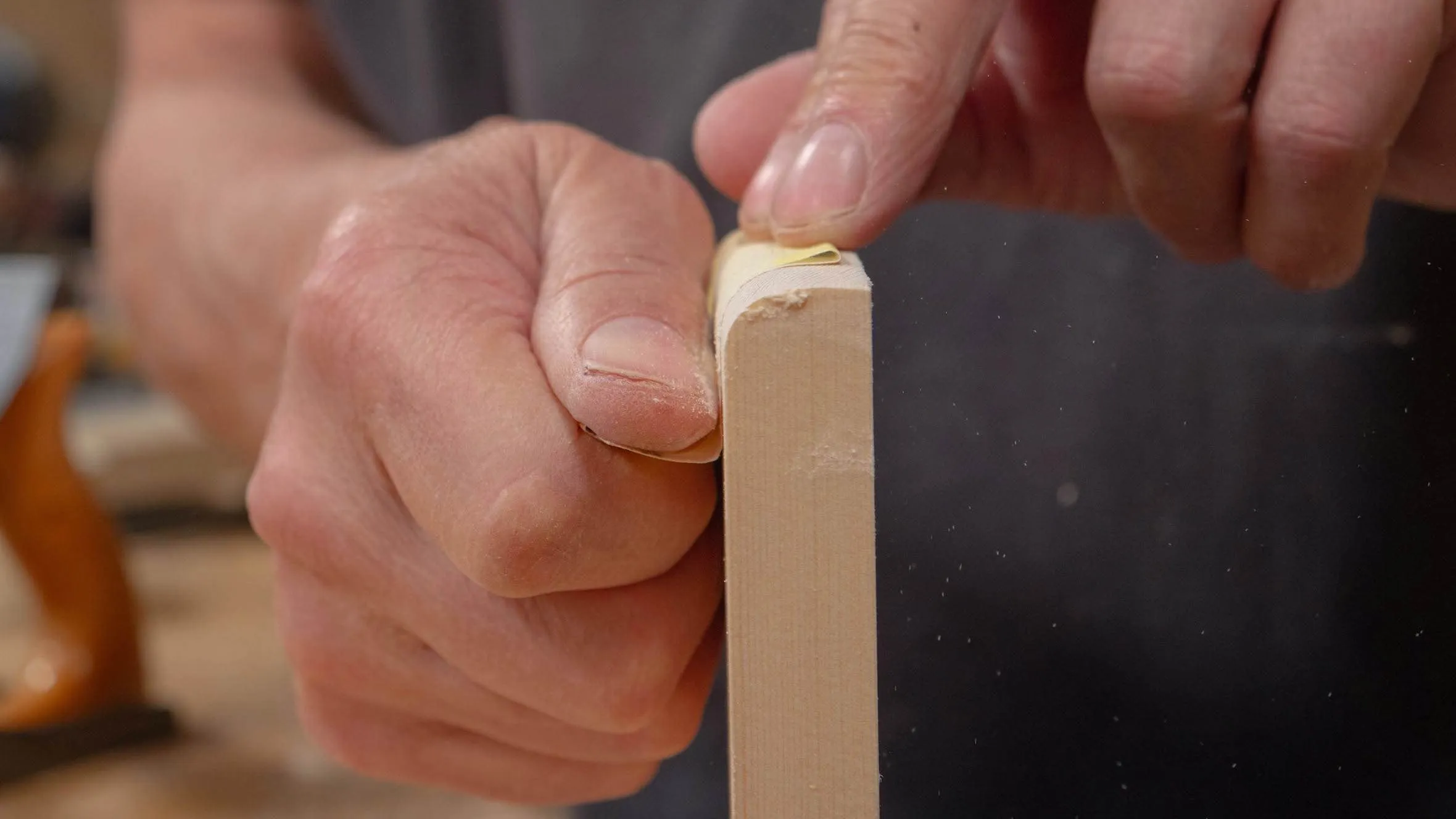
Use sandpaper to create a smooth finish. You shouldn’t need to use this for long as most of the work should be done using the plane.
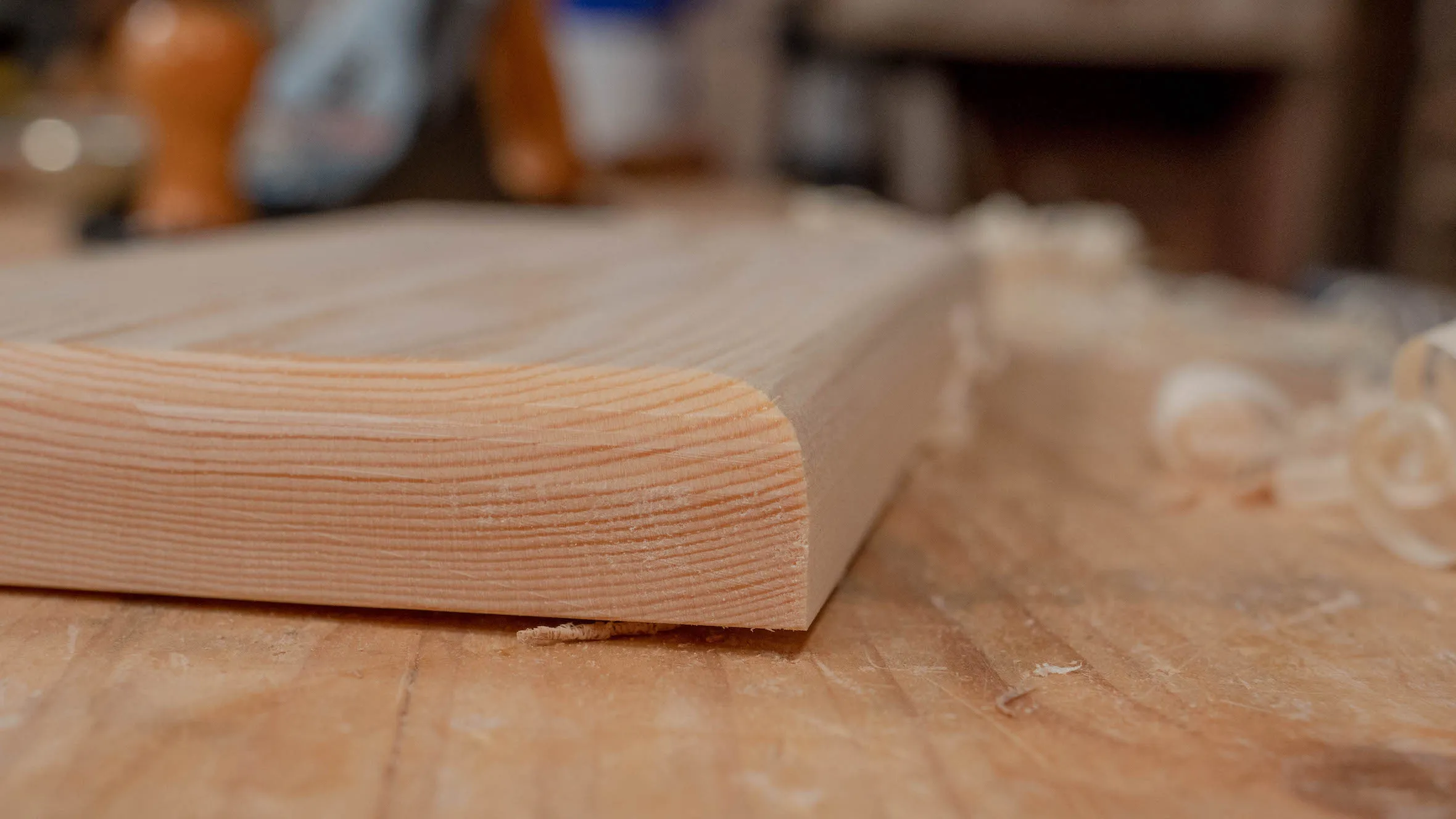
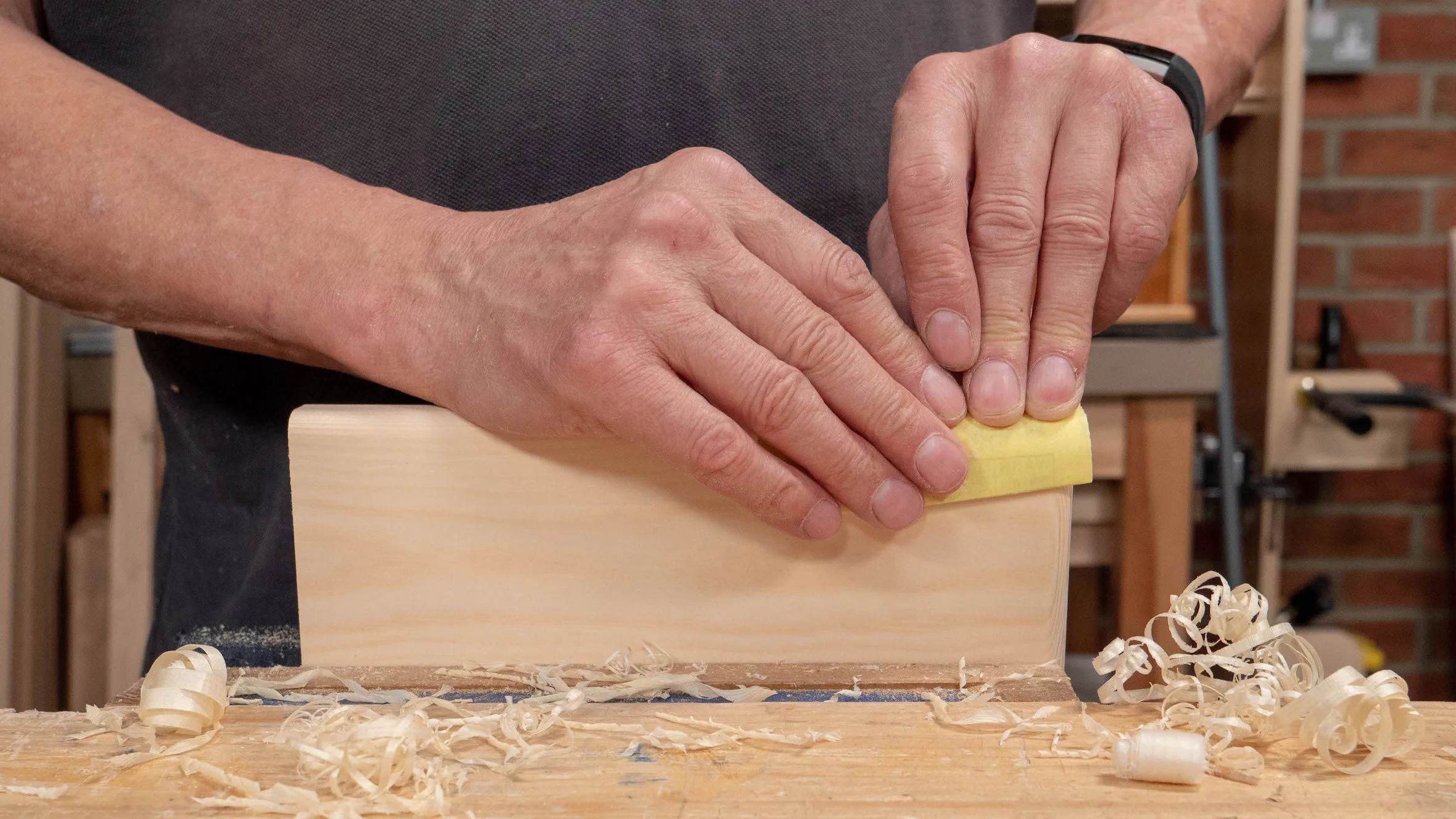
Make sure to practise this on both the end grain and along the grain. Do the end grain first so that any fracturing is repaired with the long edge profiling.